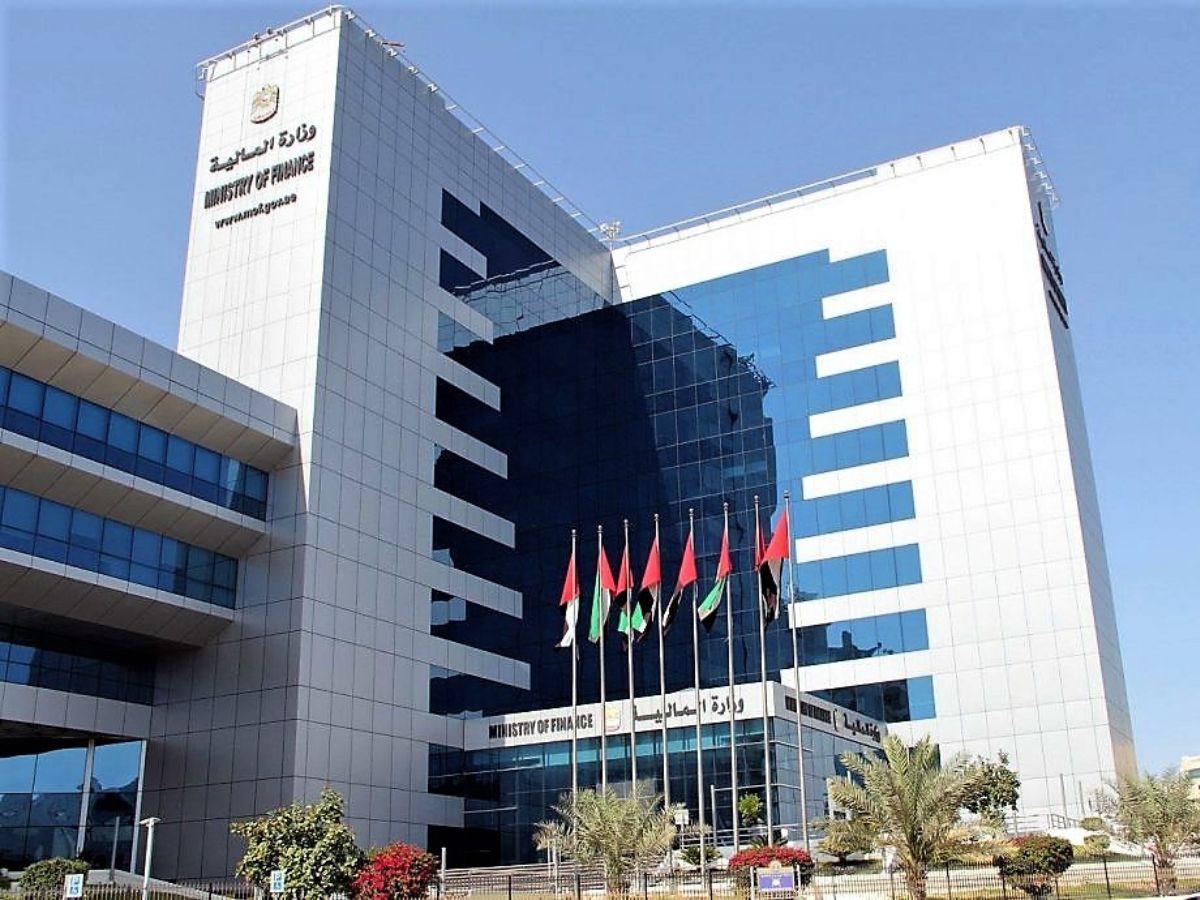
The UAE Ministry of Finance (MoF) confirmed the Organisation for Economic Co‑operation and Development (OECD) has published the country’s Domestic Minimum Top‑Up Tax (DMTT) in its “Central Record of Legislation with Transitional Qualified Status.”
By appearing on that list, the UAE’s Domestic Minimum Top‑Up Tax is recognised under the OECD’s Pillar Two framework and qualifies for a safe harbour, simplifying compliance for multinational enterprises (MNEs) operating in the country.
The transitional qualified status ensures MNEs face no additional top‑up tax from foreign jurisdictions on profits already subject to UAE DMTT. It reduces the risk of multilateral audit disputes and gives certainty that overseas regulators accept the UAE’s tax obligations on the constitutional level income.
Recognition under the OECD’s Pillar Two safe harbour means MNEs in scope do not need to calculate top‑up tax for UAE-based entities in other jurisdictions, easing administrative demands for both firms and the Federal Tax Authority.
The UAE introduced the DMTT through Cabinet Decision No. 142 of 2024, effective from January 1, 2025. The tax applies to MNE groups with consolidated revenues exceeding EUR 750 million in two of the previous four fiscal years, aligning with the OECD’s ambition to impose a global minimum effective tax rate of 15%.
Further legislative steps include Ministerial Decision No. 88 of 2025, which incorporates OECD Pillar Two commentary and guidance into local law with retroactive effect from January 1 2025.
Tax specialists say the OECD recognition minimises cross-border compliance complexity and strengthens the UAE’s credibility as a transparent tax jurisdiction.