Middle Eastern sovereign wealth funds (SWFs) are reshaping the global investment landscape, becoming major players in the world economy.
This growth is driven by strategic investments in sectors such as technology, renewable energy and real estate. These investments aim to generate financial returns while driving innovation, sustainability and economic diversification in their home countries. Additionally, their support for entrepreneurship reflects a balanced approach, combining immediate returns with long-term national goals. In light of this momentum, Finance Middle East examined the growing influence of Middle Eastern SWFs on the global stage and sought insights from analysts for entrepreneurs seeking funding from these funds.
Tech in focus
The SWFs in the Middle East such as the Saudi Public Investment Fund (PIF), Mubadala Investment Company and the Qatar Investment Authority (QIA) are increasingly leveraging partnerships with global tech players.
By partnering with global technology giants like Google, Microsoft and Amazon, the SWFs contribute significantly towards economic growth. These partnerships enhance the technological capabilities of host countries by facilitating technology transfer, building digital infrastructures and nurturing local talent through training and development programmes. One of the best examples is the Saudi PIF and SoftBank’s Vision Fund, which have collaborated to invest in cutting-edge technologies such as artificial intelligence (AI), robotics and clean energy, creating a tech ecosystem that supports Saudi Arabia’s Vision 2030 goals.
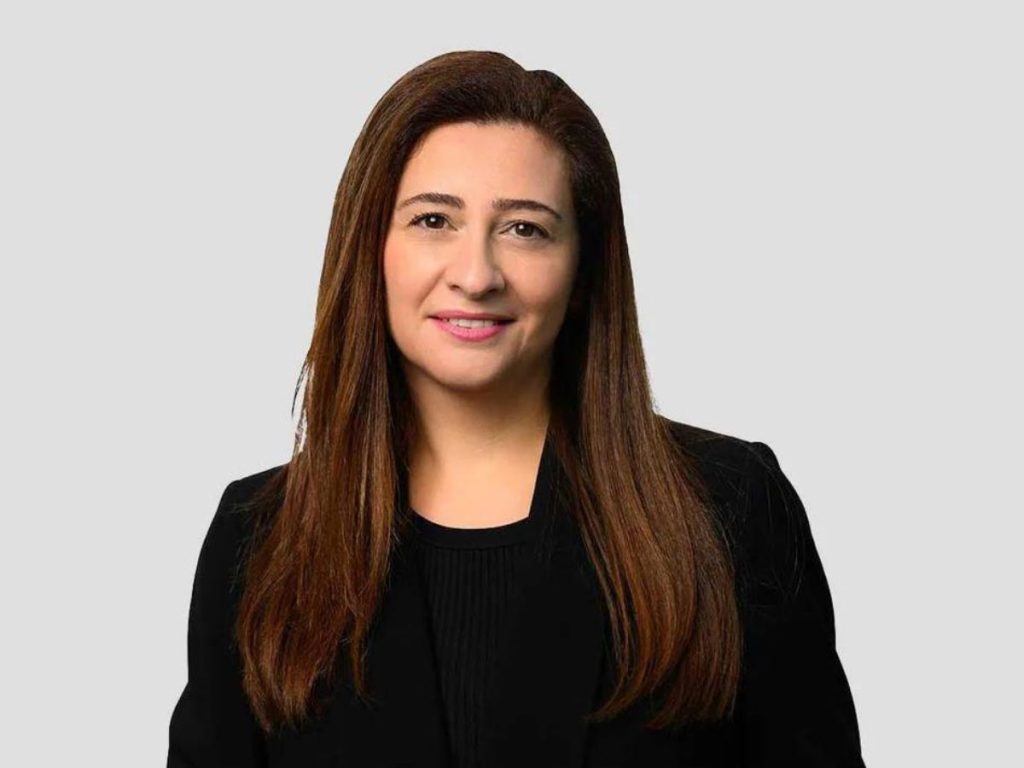
These funds are also at the forefront of the renewable energy transition, financing major projects and advocating for sustainable practices. “They are doing so by funding significant projects and influencing energy policies,” explained Ana Nacvalovaite, a research fellow at the University of Oxford. “SWFs are investing in large-scale renewable energy projects, supporting the development of green technologies and advocating for sustainable energy practices.”
“SWFs are investing in large-scale renewable energy projects, supporting the development of green technologies and advocating for sustainable energy practices”
Ana Nacvalovaite
This role of SWFs in the global shift towards renewable energy can be seen in a multitude of projects, such as the one by Masdar (Abu Dhabi), a subsidiary of Mubadala, which has invested in numerous renewable energy projects globally, including the London Array, one of the world’s largest offshore wind farms, and solar projects in the UAE and Jordan. The PIF, for instance, is heavily investing in renewable energy projects to support Saudi Arabia’s Vision 2030 and reduce oil dependence. Notable technologies in this space include CSP (Concentrated Solar Power), PV (Photovoltaic), Wind, or even Green Hydrogen (hydrogen obtained by electrolysis of water with a process powered entirely by renewable energy).

This commitment influences local and international energy policies, encouraging a shift towards sustainable practices. A notable example is the King Abdullah City for Atomic and Renewable Energy (K.A.CARE), which showcases Saudi Arabia’s dedication to renewable energy. Another example is ACWA Power (partially owned by the PIF), which has 31 infrastructure projects across the technologies mentioned earlier.
According to the Invesco Global Sovereign Asset Management Study (IGSAMS) 2023, between 2017 and 2023, the number of SWFs globally with ESG policies increased from 46% to 79%, with a notable 90% of Middle Eastern SWFs now having ESG policies. This growth reflects a strong focus on climate change and the need for secure, sustainable supply chains amid regional geopolitical tensions. In the Middle East, 56% of SWFs view sovereign investors as key players in financing the energy transition.
“25% of Middle Eastern SWFs investing in green bonds”
Josette Rizk
“Consequently, these funds are prioritising direct investments in green infrastructure and green bonds, with 25% of Middle Eastern SWFs investing in green bonds,” remarked Josette Rizk, Head of Middle East and Africa, Invesco. “To combat greenwashing, a concern for 94% of Middle Eastern investors, SWFs are taking proactive measures, including embracing development risks and issuing their own green bonds to ensure genuine ESG alignment.”

“In recent years in the Middle East, sovereign wealth funds have begun to play a larger role in funding various kinds of entrepreneurial companies, in fintech, blockchain, and more. Though most such funds have historically tended to invest at later stages, when risk has been reduced and exits appear imminent, some are now placing early-stage bets.”
~John Mullins, Associate Professor of Management Practice at London Business School.
Real estate market
With a strategic eye on infrastructure-related investments, SWFs also wield substantial influence in the global real estate market, especially in emerging economies. They are significantly ramping up their allocations to real estate as part of their broader investment strategy. For instance, the Abu Dhabi Investment Authority (ADIA) has earmarked about 13% of its assets for real estate, while the QIA has ambitiously targeted 41%.
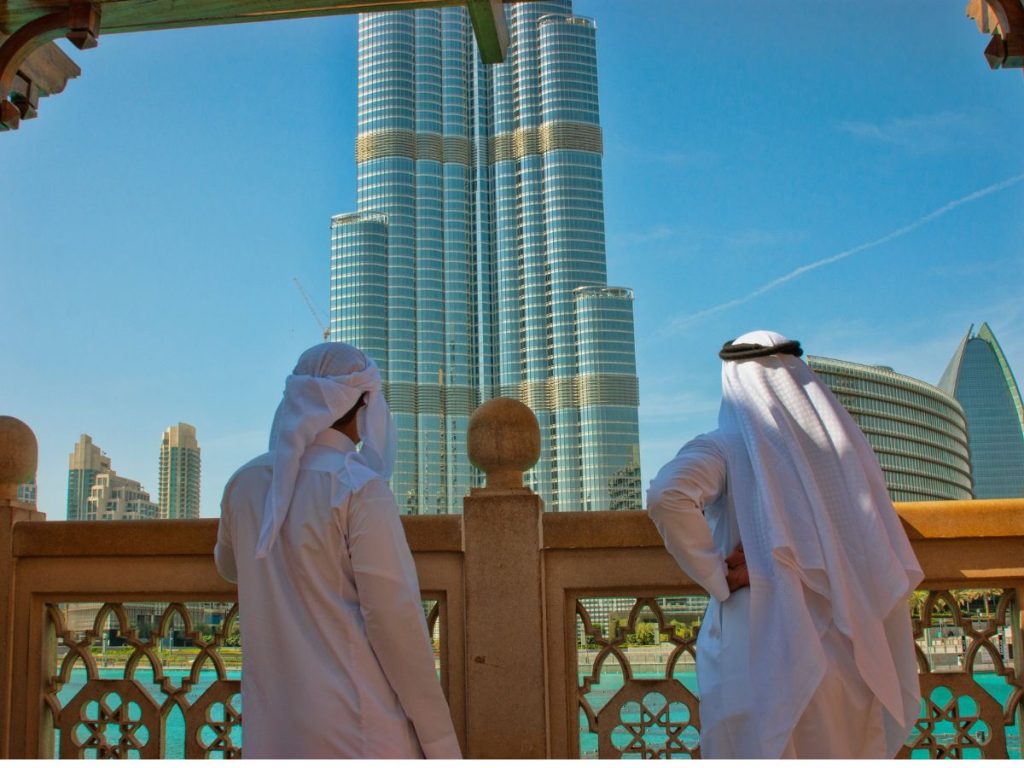
A noticeable trend is the shift towards emerging markets, where SWFs perceive not just financial potential but also strategic diversification opportunities. The Kuwait Investment Authority (KIA) and PIF are actively exploring real estate ventures in countries such as India and Egypt and strategic tech hubs in the US and UK, which align with their crypto investment strategies.
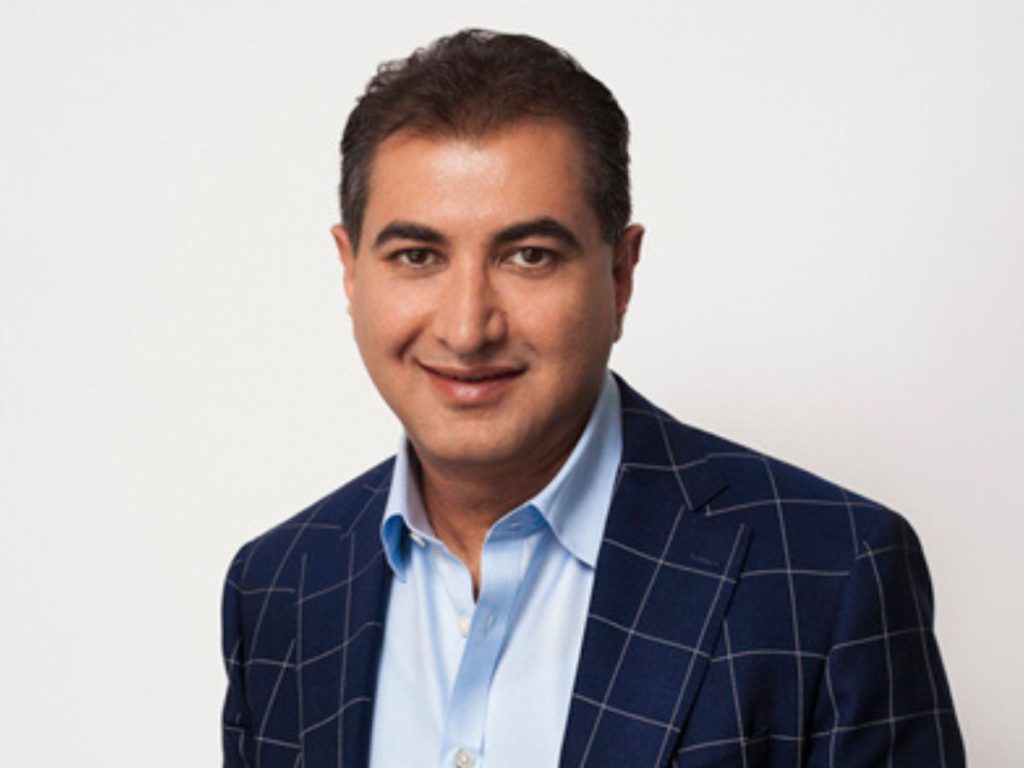
“These funds are increasingly drawn to private real estate and stable assets like core and core-plus properties, which represent a blend of risk and returns, amid global economic shifts and blockchain innovations,” explained Bundeep Singh Rangar, CEO of Fineqia International Inc. “ADIA and QIA are intensifying their investments in private real estate, while KIA and PIF are strategically focusing on core properties in developed markets.”
“These funds are increasingly drawn to private real estate and stable assets like core and core-plus properties”
Bundeep Singh Rangar
Regionally, real estate and infrastructure have been consistent portfolio allocation features. Many SWFs invest their capital by adopting a strategic asset allocation (SAA), which has exposure to real assets–typically real estate and infrastructure assets. They usually invest in these asset classes with the assistance of specialised asset managers. Given the prevailing rules and regulations, they will prefer developed economies.
“These investments have been, until recently, adopted over the debt portion of the portfolio as income-yielding assets,” stated Damien Balmet, Partner, Wealth and Investments, Mercer Middle East. “Despite the rate rebound of recent years, the appetite for real estate has not waned as these have served as inflationary protective assets.
“With an increasing eye on ESG and specifically climate risk, as rising sea levels, and an increase in the number and intensity of natural disasters, new risks are being managed for the asset class.”
Strategic investments
Traditionally, SWFs have been long-term investors, adopting strategies built to withstand short-term market volatility. However, with the increasing range of asset classes and market opportunities, SWFs are increasingly agile in their investment practices to capture the opportunities this market volatility can bring.
Long-term strategic investments will go through a long J-curve, but ultimately, the aim is to generate sustainable profits, especially in the infrastructure examples mentioned earlier. At the same time, some regional SWFs invest “traditionally” in public markets (directly and indirectly via funds) to strike the right balance between short-term opportunistic investments and longer-term stable investment growth.
“By diversifying their investments across asset classes (liquid and illiquid), geographies and stages of investment (growth vs. mature investments with their existing direct investment, for instance), they are aiming to create balanced ‘all weather’ portfolios,” stated Balmet. He reckons some SWFs may also introduce into their investment policies the ability to react.
“By diversifying their investments across asset classes, geographies and stages of investment, they are aiming to create balanced ‘all weather’ portfolios”
Damien Balmet
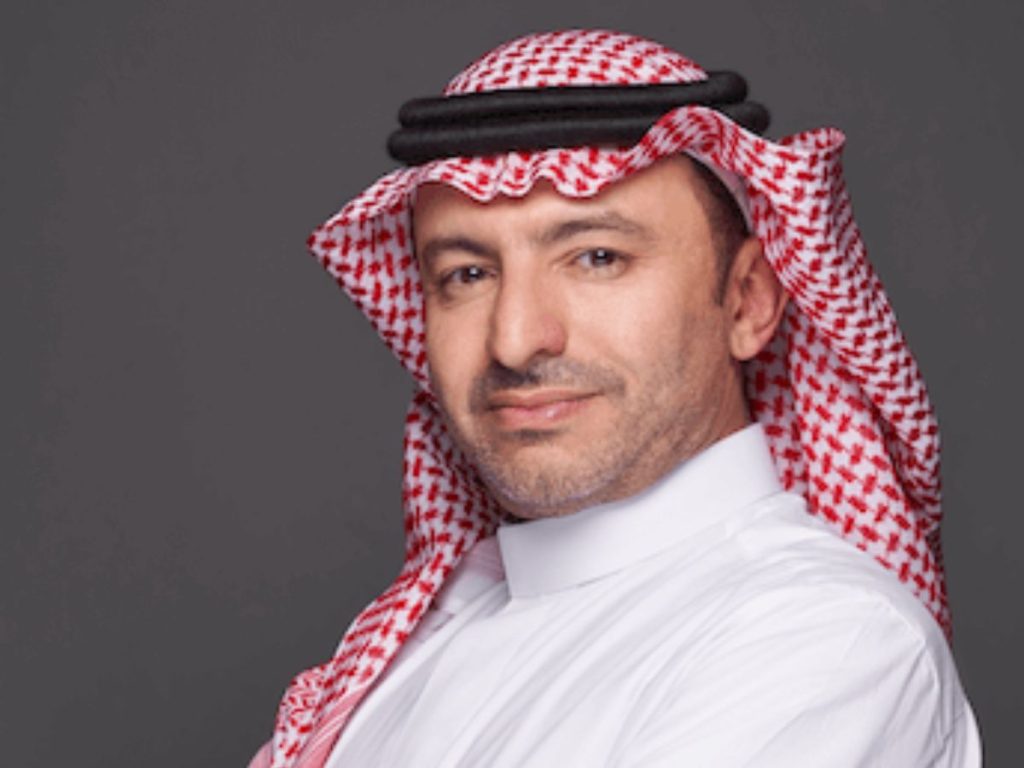
Middle Eastern SWFs, like the PIF, ADIA and QIA, are “adeptly balancing” short-term returns with long-term strategic investments, noted Faisal Al Monai, Co-Founder and Chairman of droppGroup. He explained that they employ a diversified strategy, investing in high-yield short-term assets while committing to long-term projects aligning with national economic goals. “This approach allows them to generate immediate returns while building for the future,” he added. “Risk management strategies include portfolio diversification across various sectors and geographies, thorough due diligence processes and partnerships with experienced global investors.
“The PIF’s investments in tech startups and infrastructure projects exemplify this balanced approach, supporting immediate economic needs while paving the way for long-term transformation.”
Supporting entrepreneurship
Given the lower ticket size for startups, SWFs are not the natural capital providers for companies in the early stages of operations. To foster entrepreneurship and support startups in their home countries, SWFs have developed several strategies. They have set up and funded Fund of Funds vehicles. These vehicles allocate capital to VC funds in KSA, which then irrigates KSA’s startup ecosystem. Some SWFs partner with other government entities and invest in the most promising startups. They also allocate a portion of their CSR budget to initiatives supporting entrepreneurship and young companies.
Such efforts not only aid in building a vibrant startup ecosystem and driving innovation but also put their respective countries on the map. Mubadala’s venture capital arm has invested in a multitude of high-growth startups, and innovative technology companies in both the US and the Middle East. Wa’ed (Saudi Aramco) finances and supports Saudi entrepreneurs through funding, incubation and mentorship programmes.
“By mandate, SWFs are investment vehicles created to ensure long-term sustainable returns for the nations they serve”
Lise Abi Jaoude and Pierluigi Bruni

“By mandate, SWFs are investment vehicles created to ensure long-term sustainable returns for the nations they serve, particularly their current and future generations,” stressed Lise Abi Jaoude and Pierluigi Bruni, Associate Partners at Bain and Company Middle East. “Hence, the long-term aspect of returns is usually prioritised over short-term gains–in fact, SWFs are one of the few categories of investors which can afford to go into ventures that require patient capital, giving them an edge over others (e.g., cyclical food ventures, aquaculture and others).
“That is not to say that these ventures are risk-free as they are often associated with betting on national interests and prioritising local greenfield projects (e.g., mega cities development in KSA under Vision 2030) as well as investing in new and future-back ventures (e.g., green energy, AI and others).
“Mitigating those risks takes multiple forms such as sectoral and geographical diversification, asset class diversification (particularly through international investments into low-risk asset classes),” they added.
The top five sectors
Priority sectors for regional SWFs are usually the ones their respective nations are betting on to build a future-proof economy, often associated with diversification from traditional oil and gas industries and levels of future-back disruptive bets, noted Jaoude and Bruni. According to industry experts, the top sectors that Middle Eastern SWFs are focusing on include:
- Technology – Investing in AI, cloud computing and cybersecurity.
- Healthcare – Focusing on biotechnology and digital health solutions.
- Renewable energy – Supporting solar, wind and green hydrogen projects.
- Infrastructure – Investing in smart cities and sustainable urban development.
- Financial services – Backing fintech innovations and digital banking solutions.
How to get funding from SWFs
As SWFs increasingly look to diversify their portfolio and explore new ventures to invest in, Finance Middle East asked industry experts the key criteria that companies must be mindful of while looking for funding from SWFs. According to Balmet, having a local presence has often been an important need, as it allows relationships to be built, which are key.
He stressed that competing with a “me too” product—a product designed to be similar to a very popular product made by another company—hasn’t generally worked. However, providing something relatively niche that may command a smaller allocation has been a successful “foot in the door” exercise. “Presenting a real track record with a solid base of notable investors may provide the ‘safety in numbers’ that SWFs will like,” he explained.
“Presenting a real track record with a solid base of notable investors may provide the ‘safety in numbers’ that SWFs will like”
Damien Balmet
In addition, Balmet noted that it also depends on the type of funding required. Is it for a new company to be established or for a company expansion, i.e., growth capital? Is it for a private equity fund? In general, the companies must identify the relevant SWFs that would provide capital for the request at hand. Once the SWF is identified, if it is active and deploys capital, then it is usually preferable to approach the SWF through trusted connections.

To attract funding from Middle Eastern SWFs, other experts recommend the firms should address a series of these factors to increase their appeal to SWFs and potentially secure significant investment and strategic support:
- Align with national vision strategies (e.g., Saudi Vision 2030, UAE Centennial 2071).
- Demonstrate strong ESG credentials and sustainability focus.
- Show potential for technology transfer and local capacity building.
- Offer co-investment opportunities with established global partners.
- Present clear plans for job creation and economic impact in the region.
- Showcase innovative solutions addressing regional challenges.
- Establish a local presence or partnership in the Middle East.
Middle Eastern SWFs are driving global innovation and sustainability by partnering with top tech companies and investing in renewable energy. These strategic investments enhance local technological capabilities, support national visions like Saudi Arabia’s Vision 2030 and influence global energy policies. SWFs are also fostering entrepreneurship, balancing short-term returns with long-term growth. They have been tapping into promising opportunities beyond their home market while demonstrating a commitment to supporting entrepreneurship, innovation and economic development in their respective markets.