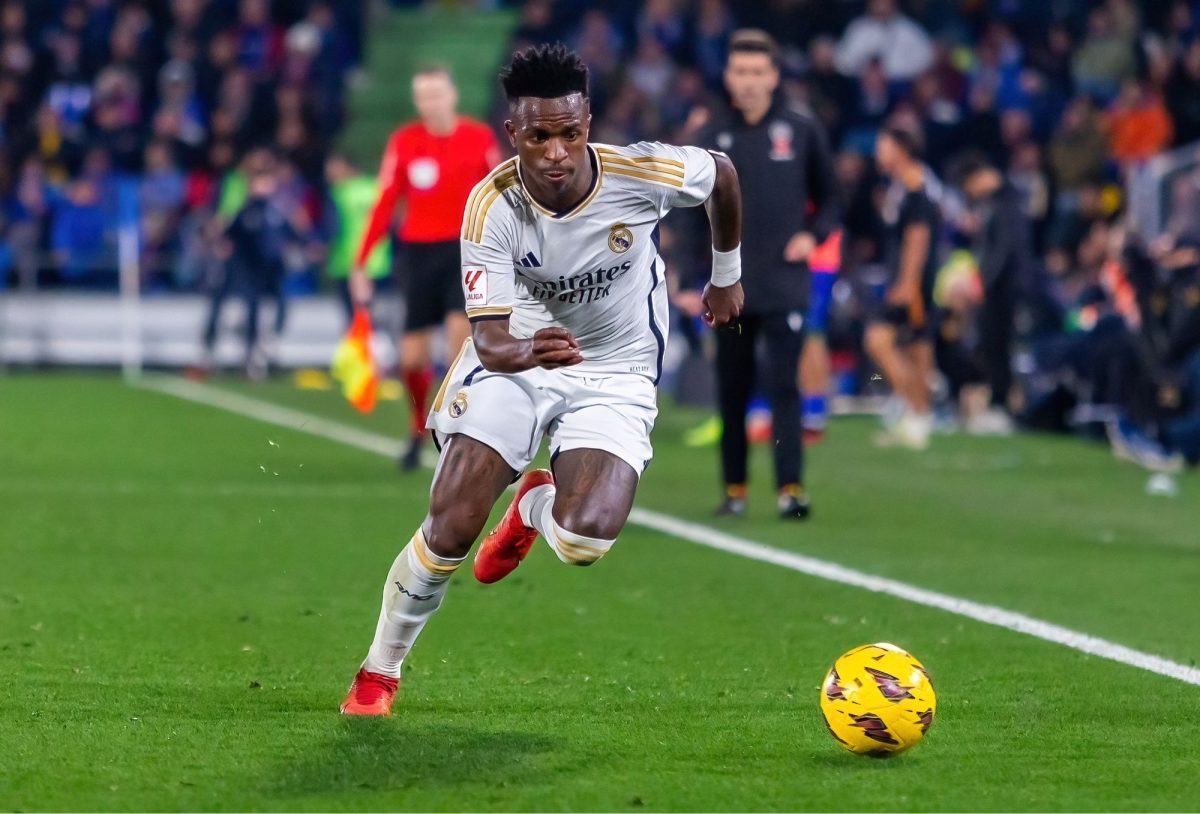
The world stage has a new sports fan: the GCC.
As part of their strategies to achieve economic diversification, Middle Eastern countries have increased their investments in the sports sector, benefitting from the internationalisation of major sports leagues and the substantial rise in media rights and broadcasting revenues. Nations including Saudi Arabia, Qatar and the UAE have also increasingly directed funds towards building up strong domestic competitions and global fanbases.
The numbers support this narrative. The Dubai Sports Council announced in January 2024 that the sports sector contributes more than $2.5 billion to the Dubai economy and is responsible for over 105,000 jobs in the emirate alone. A key aspect of this is sports tourism. The sector is already a $600 billion industry in the Middle East and it is set to grow by 8.7% by 2026. This is a stark contrast to the global industry, which is forecast to slow to 3.3% growth over the same period.
“Sports offer strategic value beyond just financial returns,” Maximilian Klante, Managing Director and Partner at Boston Consulting Group (BCG), explained. “For GCC nations, investing in sports can drive tourism, enhance cultural influence and promote healthier lifestyles among their populations.”
Jamie Ryder, Partner, Entertainment and Media Industry Group, Reed Smith, agreed. “Depending on the type of sport and type of investment, sport can contribute to tourism, lead to the establishment or regeneration of areas and communities, create jobs, enhance infrastructure, increase recognition and exposure and contribute positively to society by improving quality of life,” he added.
Football in focus
When it comes to GCC sports investment, football is the first to come to mind. “Football is truly global, and the FIFA World Cup is the biggest single sporting event on the planet, so investing in the game is a way to reach all new audiences,” Romy Gai, FIFA’s Chief Business Officer, explained.
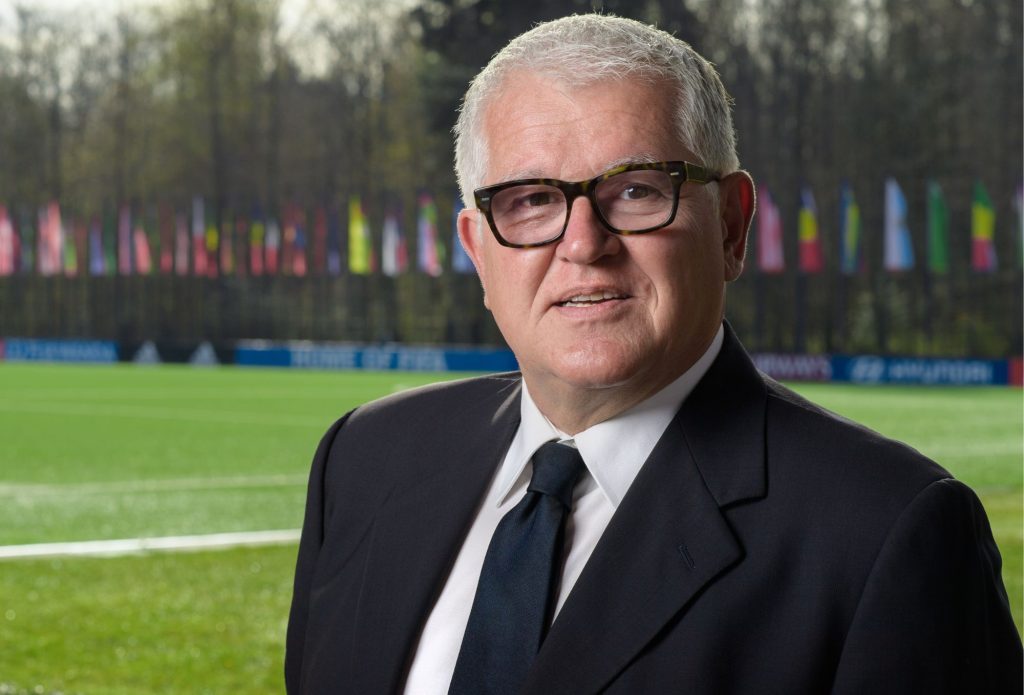
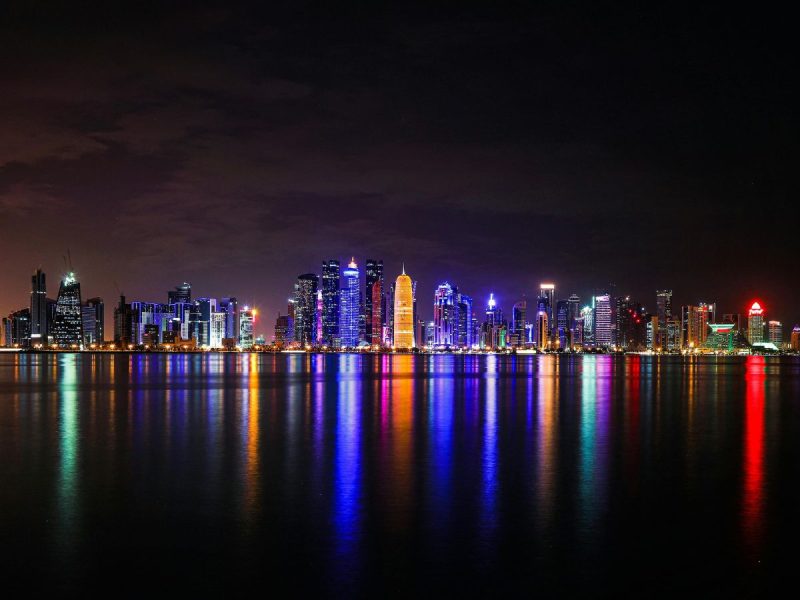
The main example is the 2022 Qatar FIFA World Cup. The International Monetary Fund (IMF) estimated the country spent up to an estimated $243 billion to host the competition, with $6.5 billion dedicated to stadium costs alone.
It paid off. The Qatar World Cup resulted in a 365% annual increase in foreign visitors, driving a 276% daily rise in hotel bookings. Overall, the World Cup is said to have contributed between $2.3 billion and $4.1 billion to Qatar’s GDP.
“The FIFA World Cup Qatar 2022 served as a catalyst for regional economic growth”
Rumy Gai of FIFA
“The FIFA World Cup Qatar 2022 served as a catalyst for regional economic growth and sports industry development across the country and the region,” Gai added. “It accelerated infrastructure projects, including new stadiums, transportation systems and hospitality facilities, while the tournament itself–truly a historic one–showcased the region’s ability to host large-scale global events and welcome the world to its shores.”
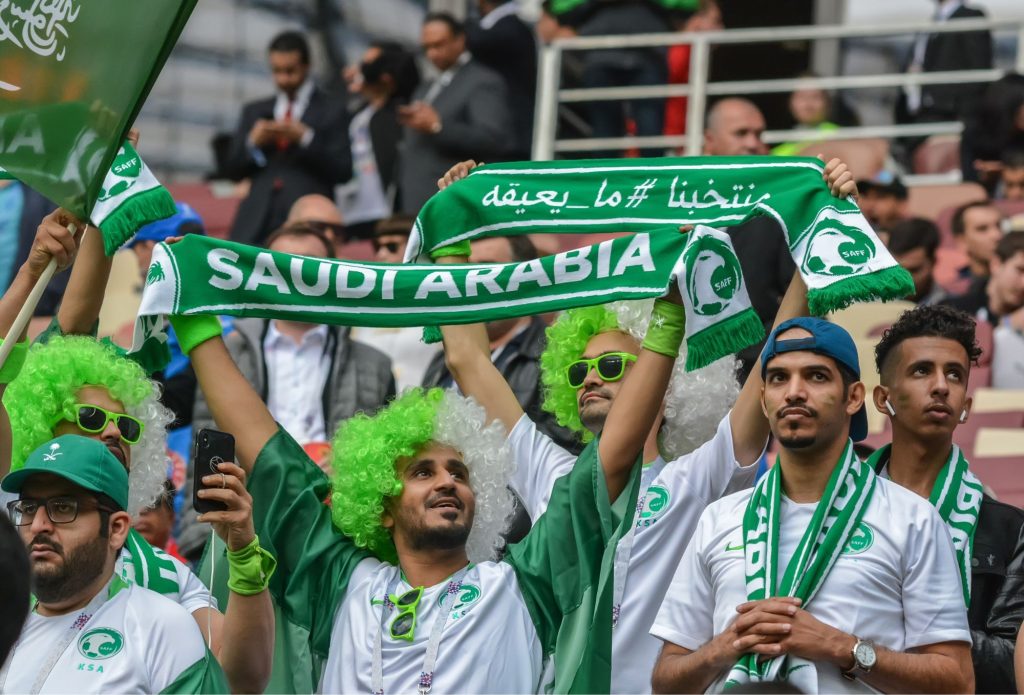
The event was not only a success for Qatar but also for the wider GCC. The most obvious indicator of its value addition is the region’s eagerness to replicate it. Saudi Arabia is currently seeking to host the 2034 World Cup, being the only bidder to have applied by the deadline. The Kingdom has already unveiled the stadiums set to host the matches, including a stadium built on NEOM’s The Line vertical megacity and described as the “most unique stadium in the world”
From La Liga to the Saudi Pro League
The World Cup is a clear example of a wider trend in which GCC countries are moving away from US and European sports investments and towards growing the industry domestically.
In 2022, Middle Eastern brands represented the largest sponsors and investors in European football, according to KPMG’s Football Benchmark report. The presence of Emirates’ logo on the shirts of Real Madrid, Arsenal and AC Milan players is just an example, with the Real Madrid deal alone estimated to be worth $336 million. Moreover, several GCC nations have invested in the clubs themselves. The Abu Dhabi United Group purchased Manchester City in 2008, while Qatar acquired Paris Saint-Germain in 2011. Looking at US basketball, Qatar Investment Authority recently acquired a 5% stake in the NBA team Washington Wizards’ parent company, as part of a $200 million deal.
“These teams bring global recognition and enhance a region’s reputation, driving broader awareness. Furthermore, these investments often serve as valuable assets, offering the potential for significant appreciation over time,” Klante noted.
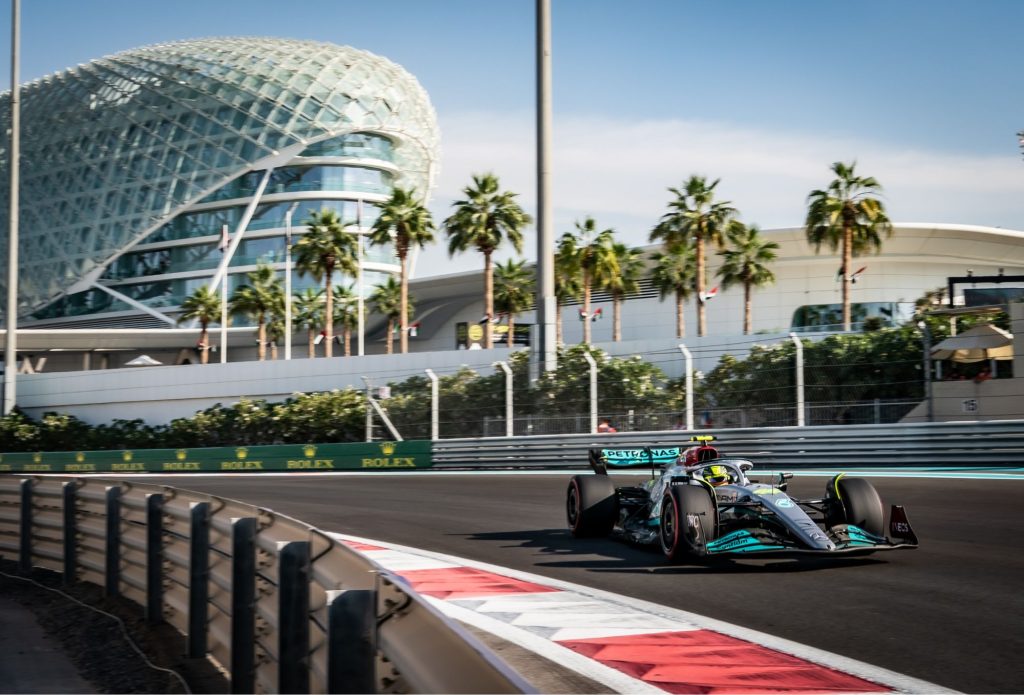
The tides are turning, as GCC countries focus on growing the region’s sports industry. The signing of players such as Cristiano Ronaldo has helped draw eyes to local leagues. Investments in sports intellectual property and mega-sporting events are also significant pieces of this strategy. In December 2021, Abu Dhabi Motorsports Management signed an agreement to hold the final race of the F1 season in the UAE until 2030 and, earlier this year, Aramco became a Major Worldwide Partner of FIFA, with rights across multiple events including FIFA World Cup 26 and FIFA Women’s World Cup 2027.
“The agreement builds on a shared commitment to innovation, development and creating impactful social initiatives, in line with FIFA’s mission to unite communities and the world through football,” Gai said. “We’re excited to see it flourish.”
F1 and MMA: the new heavyweights
The sports industry is much larger than football. Events such as Ironman, Spartan Races and marathons directly involve the population, fostering a national sports culture. Moreover, the region’s focus on the Professional Fighters League (PFL) and mixed martial arts (MMA) resonates with specific demographics and aligns with broader regional ambitions.
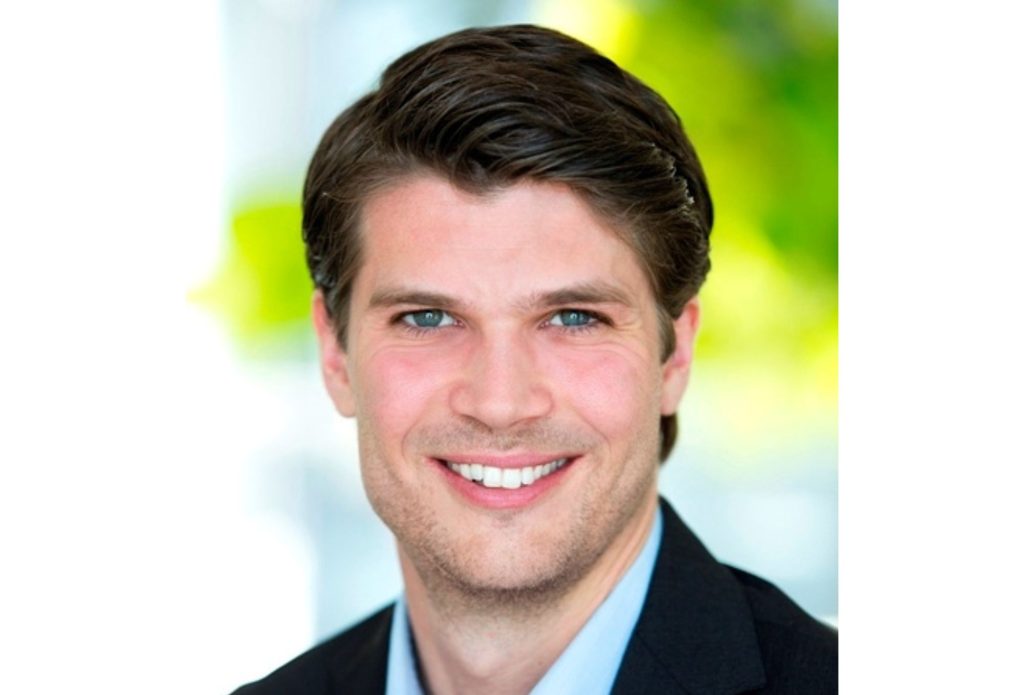
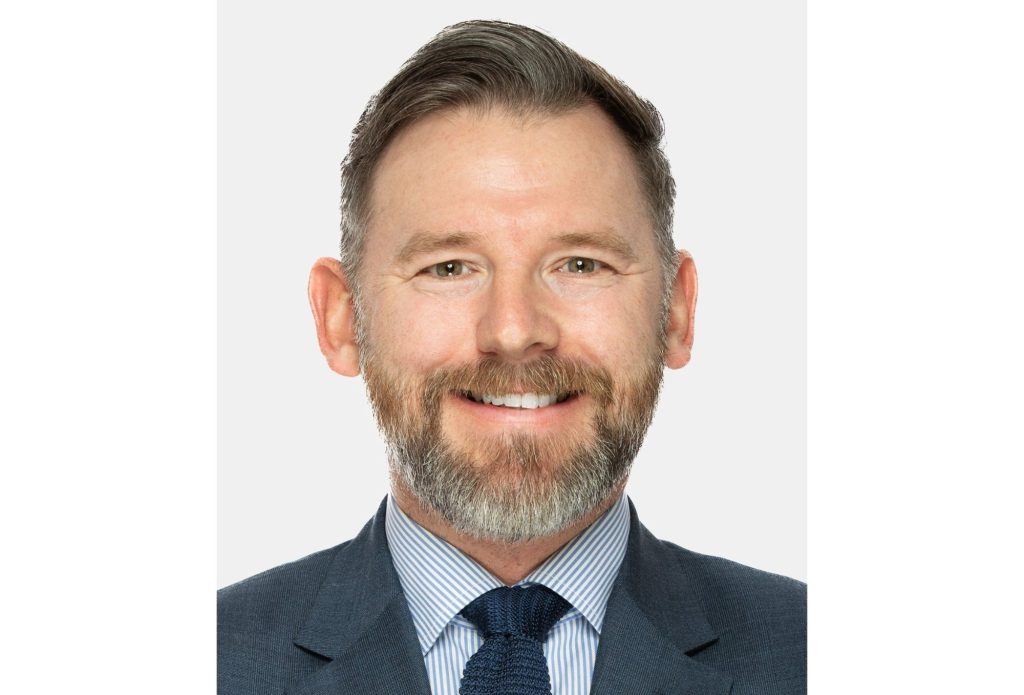
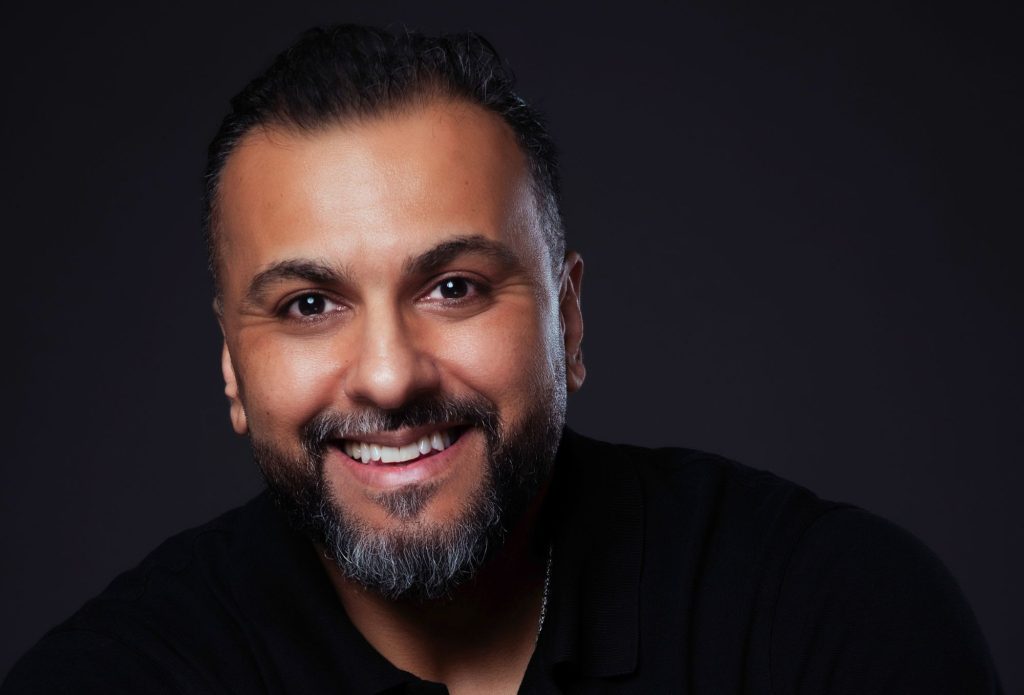
Azhar Muhammad Saul, Chief Operating Officer at sports management firm Paradigm Sports highlighted the dramatic growth of combat sports. Now the third most popular sport globally behind football and basketball, the global martial arts industry is valued at over $6 billion and has a 3.6% annual growth rate. “I see [the Middle East] becoming the centre of combat sports in the world,” Saul said. “The opportunities for both the region and our athletes really don’t have any limits.”
“The opportunities for both the region and our athletes really don’t have any limits.”
Azhar Muhammad Saul of Paradigm Sports
The first investment made by SRJ Sports Investments, the PIF’s sports-focused fund, was the acquisition of a minority ownership stake in the PFL for an estimated $100 million. The UAE has long been a key city in the MMA world. In April 2019, DCT Abu Dhabi announced a five-year partnership with the UFC to stage one major event each year until 2023 and Qatar’s Media City has signed a partnership with Singapore-based ONE Championship.
Paradigm Sports has also worked with major players such as Conor McGregor, Dakota Ditcheva, Michael ‘Venom’ Page, Johnny Walker and Rico Verhoeven, who have become regular visitors to the region.
“On the business aspect of combat sports, there is so much still to build and develop,” Saul added. “The infrastructure and technology are all in place here to build disruptive ventures that harness our athletes’ storylines and passions. It’s very exciting.”

The rise of esports
Fast technological developments have also given way to the rise of gaming. Predicted to be worth more than $300 billion come 2025, the popularity of esports is uncontested. The sector’s global revenue is greater than the music and movie industries combined.
“Looking at the gaming and esports landscape as an example, governments are providing incentives (including enhanced visas and direct investment) to attract talent to the region,” Ryder added. “I expect to see continued outward and inward investment in the sports sector including significant investment in esports.”
“Our aim is not just improving gaming and esports–it’s to make esports one of the world’s leading sports.”
Ralf Reichert of the Esports World Cup Foundation
Abu Dhabi is building a $1 billion island dedicated to gaming and Qatar has a 2030 National Strategy in Esports. Saudi Arabia has also set its sights on these sports, as 67% of its population identifies as gamers. Notably, gaming consumption in the Kingdom is projected to surge to $6.8 billion by 2030 and grow at a CAGR of 22% through 2030, according to BCG. The country hosts the New Global Sports Conference 2024, which saw the unveiling of this summer’s Esports World Cup at the 2023 inaugural edition. The competition’s $60 million prize pool is the largest ever in esports history.
“Our aim is not just improving gaming and esports–it’s to make esports one of the world’s leading sports; a challenge we’re excited to take on,” said Ralf Reichert, the CEO of the Esports World Cup Foundation. “As a lifelong gamer, it has been an honour going from being a competitor at homegrown tournaments to someone helping shape the future of the industry we all love.”

The future of sports
In the years to come, GCC countries will continue to host major golf, football, tennis, basketball, motorsport, boxing, MMA, surfing and esports events. In addition to contributing to job creation and the increase in the influx of tourism, the sports industry is also set to provide value to Middle Eastern companies, governments and residents alike, creating economic growth and healthier lifestyles.
“The growth of football in the Middle East goes beyond just economic benefits; it also has the potential to foster cultural exchange, unity and a sense of community,” Gai stressed.
Ryder agreed, noting it is “an exciting time” for the region, which is looking to establish itself as “a global destination for sports”. Meanwhile, Klante highlighted the importance of the influx of sophisticated investors into the Middle East, who are “increasingly recognising” the industry’s vast potential. “Even if media rights growth were to plateau, the broader sports ecosystem—including health and wellness, technology, adjacent media content, training, and mass participation events—still offers significant expansion opportunities, particularly in the MENA region,” he added.
From the F1 races to MMA fights and future World Cups, there is much to come from the Middle East in terms of sports. The industry might be ever-changing, but the region has proven it is willing to invest and ready to go the distance.