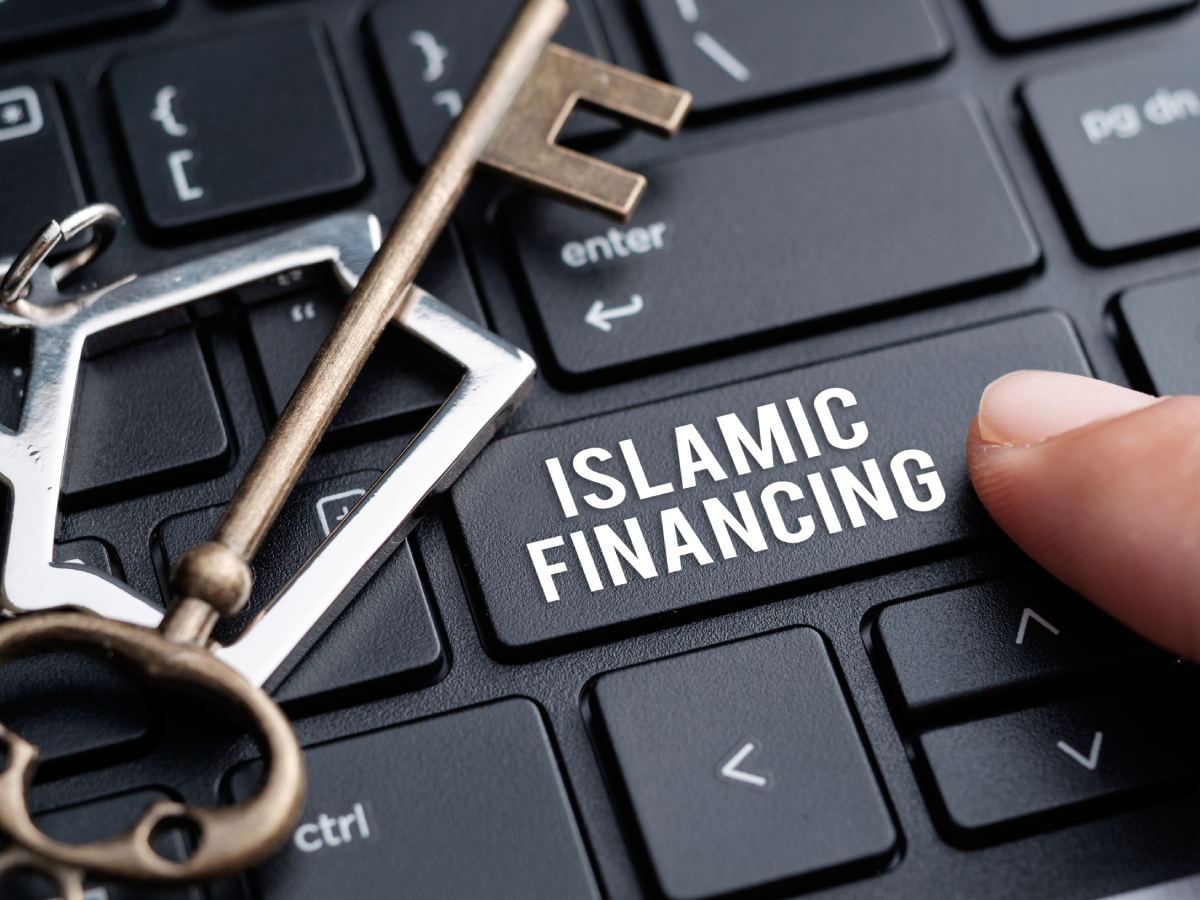
Islamic finance has proven to be a dynamic and rapidly growing segment of the global financial industry. Rooted in Islamic principles, it has become an ethical and responsible alternative to conventional finance. Advancements have been achieved and are still ongoing in several aspects.
As far as Sharia Compliance and Product Innovation are concerned, Islamic financial institutions have made significant strides in developing innovative products and services that adhere to Islamic principles, such as Musharakah (partnership), Mudarabah (profit-sharing), and Ijara (leasing) contracts. Notably, Sukuk (Islamic bonds) are attracting more and more interest from investors, not only from the Islamic area but still providing a means for raising funds while adhering to the Riba (prohibition of interest).
One of the most notable advancements that have contributed to the expansion of Islamic Finance is its rise as a means of diversifying investment portfolios.
Goes beyond traditional banking
Islamic finance has evolved beyond traditional banking and insurance, providing a broader range of asset classes. Islamic investment funds, real estate, commodity trading and infrastructure projects are prominent industry sectors. With broad diversification, this wide range of sectors allows investors to participate in various Sharia-compliant opportunities, promoting a more balanced and robust financial ecosystem.
There is an element in this process that is paramount to understanding the scope and reach of Islamic Finance nowadays, and that is linked to the aspect of the globalisation of Islamic Finance.

Islamic banks and financial institutions now operate in non-Muslim-majority countries, attracting a diverse clientele. The internationalisation of Islamic finance has helped bridge cultural and financial gaps, fostering greater cross-border collaboration and attracting more and more interest and investments.
Organisations like the Accounting and Auditing Organization for Islamic Financial Institutions (AAOIFI) and the Islamic Financial Services Board (IFSB) have been working hard to develop global standards for Islamic finance to promote transparency and facilitate cross-border transactions. These standardisation efforts have led to greater clarity and trust among investors and stakeholders.
Islamic finance’s unique approach
The focus on compliance with the principles and mandates of Sharia rules about finance has not only continued to follow up consistently on one of the pillars of the Islamic world, but as I have hinted so far, Islamic Finance is a unique approach and has become palatable to global investors.
Islamic finance is guided by a set of ethical principles that differentiate it from conventional finance and, in essence, decorate it from other approaches, providing a crucial element of diversification and helping to lower the volatility of returns for investors. This is a crucial development for Islamic Finance.
Risk management
Elements like the already cited prohibition of Riba (Interest) are a great example. Unlike conventional finance, where interest-based loans are standard, Islamic finance emphasises profit-and-loss sharing arrangements. In Islamic banking, customers are considered business partners, sharing profits and losses, which leads to a completely different approach to risk-taking and management. Islamic finance promotes risk-sharing between financial institutions and clients, unlike conventional finance, where lenders often bear minimal risk. Islamic finance encourages both parties to share the risks and rewards of an investment or financial transaction.
Another element of risk management is that Islamic Finance is dominated by Asset-Backed Financing: All Islamic finance transactions must be backed by tangible assets or services, ensuring that investments are linked to real economic activities. This contrasts with conventional finance, where speculative trading and derivatives may lack such backing.

We all know the great issues created by “naked” investment in derivatives, often characterised by a high level of leverage and the consequences that led to. On the contrary, Islamic finance’s risk-sharing and asset-backed principles can contribute to financial stability. Discouraging speculative bubbles and excessive leverage can help mitigate the impact of financial crises.
The emphasis on risk-sharing and asset-backed financing encourages a long-term perspective among investors and institutions instead of the short-term focus often pursued by conventional finance. Overall and at a systemic level, this can lead to more sustainable economic growth and stability.
Ethical approach
The ethical approach to finance and investing, with its ethical screening of the sectors to focus on, is naturally in line with the new tendency towards ESG and sustainable finance at a global level.
As a matter of fact, by nature, Islamic finance aligns with ethical and socially responsible investment values. It appeals to individuals and institutions seeking investments that adhere to ethical principles and promote positive social and environmental impacts.
Islamic finance also promotes financial inclusion, aiming to provide accessible and inclusive financial services. It offers products and services catering to a broader demographic, including those with ethical concerns about conventional finance.

If we look at available data and project them, we can confidently say that the future of Islamic finance appears bright for several reasons. Islamic finance is expanding its global footprint, attracting more participants and investors. As more countries recognise its potential, its reach will grow even further. This trend is expected to drive increased interest and investment in the industry.
Forefront of innovation
While still routed in traditional values, Islamic Finance has lately been at the forefront of innovation. Ongoing product development and financial technology innovation make Islamic finance more accessible and competitive. Fintech solutions are emerging to cater on one side to the specific needs of Islamic finance customers. They are increasingly aligned with the demands for a more ethical and controlled approach to finance, which is felt and pursued globally.
Many countries recognise the significance of Islamic finance and are creating supportive regulatory environments to facilitate its growth. This includes accommodating tax and legal structures that accommodate Sharia-compliant products and services.
With its global expansion, ongoing innovation, regulatory support, and alignment with ethical investment trends, Islamic finance holds promising prospects for the future as it continues to attract investors and promote ethical and responsible financial practices on a global scale.