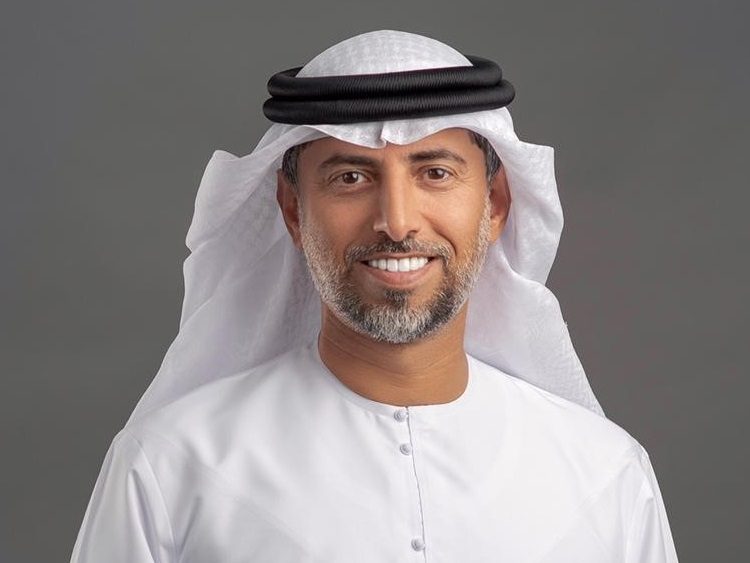
The UAE Minister of Energy and Infrastructure said that clean energy production now accounts for 27.83% of the country’s total energy mix, and the government targets 32% by 2030.
In an interview with Emirates News Agency (WAM), Suhail bin Mohammed Al Mazrouei noted that the UAE doubled its renewable energy capacity between 2019 and 2022 under the UAE Energy Strategy, aiming to triple it by 2030. In 2023, installed renewable energy capacity grew by 70%, reaching 6.1 GW. The UAE moved from sixth to second globally in per capita energy consumption from renewable sources, as per the Energy Institute’s Statistical Review of World Energy.
Al Mazrouei highlighted ongoing clean energy investments exceeding Dh45 billion. New projects like Phase VI of the Mohammed bin Rashid Al Maktoum Solar Park and the Al Ajban and Al Khazna photovoltaic projects in Abu Dhabi. Other major projects include a waste-to-energy initiative in Dubai, a hydroelectric plant in Hatta, and the recently operational fourth reactor at the Barakah nuclear plant.
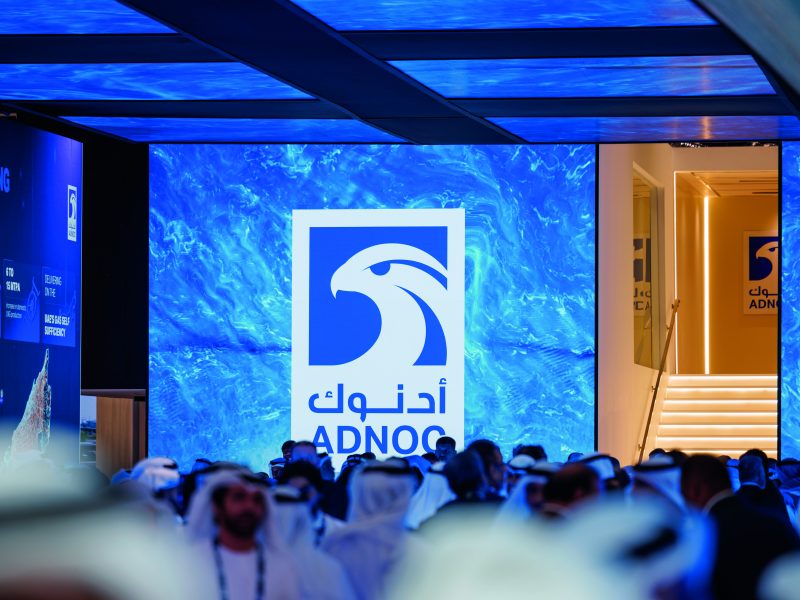
The minister also emphasised ADNOC’s carbon capture and storage initiatives, with plans to double capacity to 10 million tonnes annually by 2030 as part of the UAE’s strategy to achieve climate neutrality by 2045. The UAE leads in green hydrogen production and ranks first in hydrogen market readiness in the Middle East and North Africa.
He outlined the UAE’s Federal Energy Management Regulation, which aims to reduce energy demand in the industrial sector by 33% and cut carbon emissions by 63 million tonnes by 2050, with an expected savings of Dh14 billion.
Al Mazrouei detailed a Cabinet-approved policy in 2023 to regulate the UAE energy services market, promoting private sector investment in energy and water conservation projects. The policy targets a 25% reduction in energy and water use in federal buildings and a 20% cut in operational costs, supported by Dh500 million from the private sector. The policy covers 422 government buildings, aligning with the National Energy and Water Demand Side Management Programme 2050.