The Central Bank of the UAE (CBUAE) has revised its GDP growth projection for 2024 to 4%, up from the previous estimate of 3.9%, due to improved performance in the oil sector. For 2025, growth is projected at 6%, driven by continued momentum in the non-hydrocarbon sector and an expected increase in hydrocarbon production.
The Quarterly Economic Review released by CBUAE outlines that growth will be supported by sectors including tourism, transportation, financial and insurance services, construction, real estate and communications. Current oil production levels in 2024 are expected to moderate overall growth.
Non-hydrocarbon GDP growth is anticipated at 5.2% in 2024 and 5.3% in 2025, supported by government strategies to attract foreign investments and structural reforms such as 100% ownership for foreign businesses and tax reforms. The hydrocarbon sector is expected to grow by 0.7% in 2024, followed by 7.7% growth in 2025.
In the first quarter of 2024, the fiscal balance remained positive at Dh23.5 billion, or 4.9% of GDP, compared to Dh23.2 billion or 5.1% of GDP in the same quarter of 2023. Consolidated budget revenue for January-March 2024 reached Dh120.6 billion, a 4.3% year-on-year increase, mainly due to a 32.5% rise in tax revenues.
The fiscal conditions of the UAE showed stability, with the share of tax revenue in total revenue increasing from 45.8% in Q1 2022 to nearly 70% in Q1 2024, following the introduction of corporate tax. Government expenditure in the first quarter of 2024 totalled Dh97.1 billion, or 20% of GDP, marking a 5% year-on-year increase. Key expenditure areas included employee compensation, goods and services, and social benefits, all of which saw increases. Capital expenditure rose significantly to Dh5.6 billion.
The number of employees under the CBUAE Wage Protection System (WPS) remained steady year-on-year in June 2024, while the average employee salary increased by 4.8% year-on-year, indicating domestic consumption growth and sustainable GDP expansion.
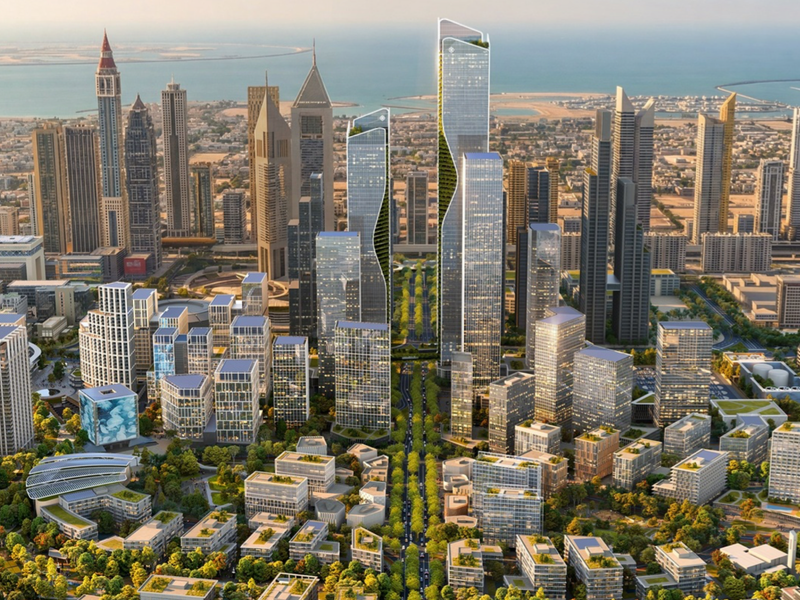
In Q2 2024, the 16 non-oil sectors continued to grow, with wholesale and retail trade, manufacturing, and construction as key contributors. The wholesale and retail sector benefitted from CEPA agreements and visa reforms, leading to increased trade volumes. The manufacturing sector attracted higher levels of foreign direct investment, while the construction sector expanded with ongoing infrastructure projects, including Etihad Rail and Dubai Creek Harbor.