

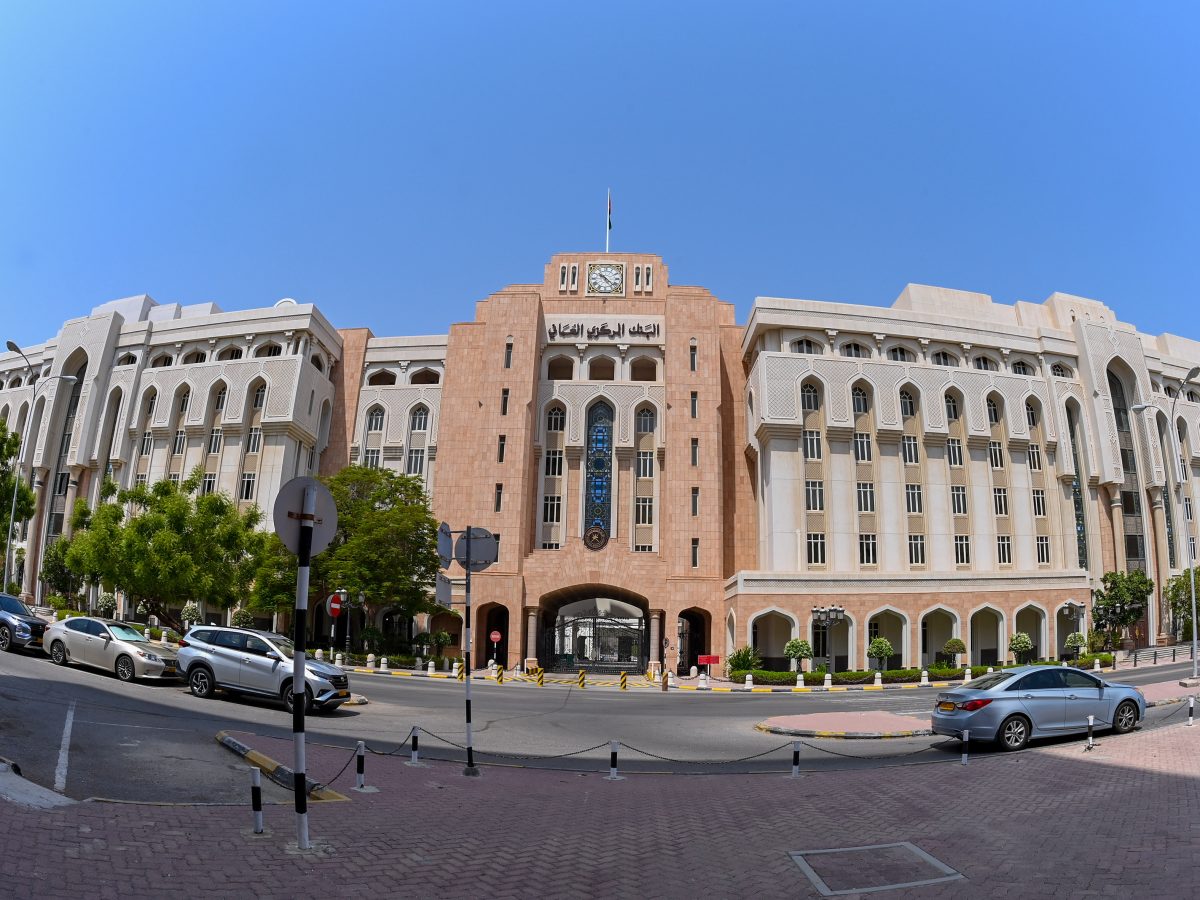
The Central Bank of Oman (CBO) reported that Omani economic activity expanded by 1.3% in 2023, driven by the recovery of non-oil sectors. The real GDP growth was lower than the 9.6% recorded in 2022 due to OPEC Plus production cuts, which resulted in a 0.4% growth in oil GDP and a 2.4% increase in non-oil GDP.
The non-oil sector growth was led by agriculture and fishing, up 6.9%, and services, up 3.5%, while non-oil industrial activities declined by 0.4%. Inflation decreased to 0.9% from 2.5% in 2022, supported by financial and monetary policies, a fixed exchange rate, and fiscal measures.
Oman’s financial position improved, with a government surplus of 2.2% of GDP and a reduction in public debt-to-GDP ratio from 40.2% to 36.0%. The banking sector saw total assets grow by 7.8% to OMR 41.8 billion, credit increased by 4.3% to OMR 30.5 billion, and deposits rose by 12.3% to OMR 29.1 billion. Non-performing loans remained at 4.5%, and the capital adequacy ratio reached 18.9%.
The external sector performed strongly, achieving a current account surplus of OMR 1.01 billion. The trade balance improved, the services account deficit decreased by 23.6%, and primary income saw significant gains. Net outflows in the financial account totalled OMR 1.22 billion due to portfolio and other investments.
The CBO expects favourable macroeconomic conditions supported by Oman Vision 2040, stable oil prices, and continued non-oil sector growth. Oil prices are projected to remain strong, and non-oil GDP is expected to grow by 3% in the medium term. The public finance outlook for 2024 is positive, with further improvements anticipated from oil prices and fiscal consolidation.