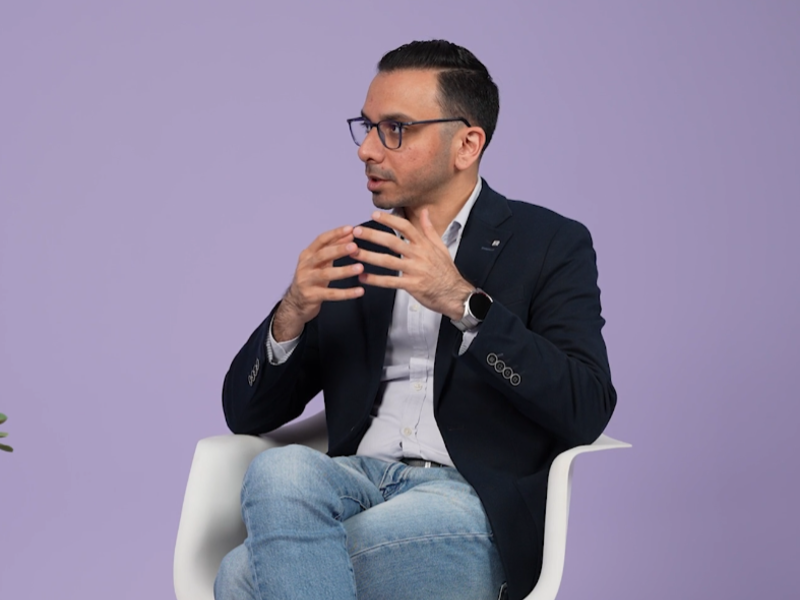
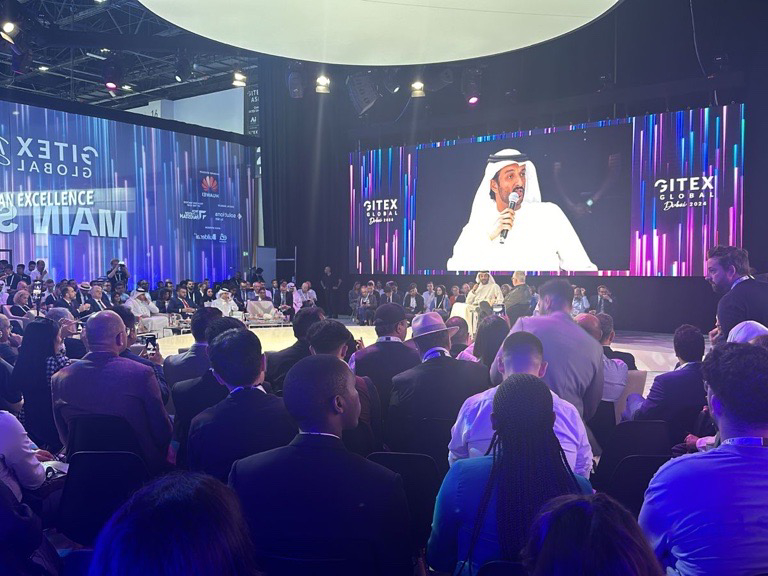
The UAE is focused on breaking records as it pushes forward with plans to expand its non-oil economy, according to HE Abdulla Bin Touq Al Marri, the Minister of Economy. Speaking at GITEX 2024, Al Marri highlighted the government’s efforts over the past three years, which have been instrumental in increasing the non-oil economy’s share of GDP and driving growth in emerging sectors. The country is targeting 80% of its GDP from non-oil sources by 2031, up from the current 74%.
“We’ve always been a leader in growth, but now we’re making history,” said Al Marri. “Our non-oil economy has surged to 74%, something that’s never happened before. And we’re aiming for 85% by 2030.”
This shift towards a diversified economy reflects the UAE’s shift from traditional oil dependency. Speaking at Gitex 2024, the minister highlighted the government’s strategic efforts over the past three years, including regulatory changes and economic reforms to increase the role of emerging sectors, especially technology, in driving growth. But it’s not just about making policy changes; the UAE has become a testing ground for global economic and technological innovation.
The country aims to reach 85% by 2030, with major investments and regulatory shifts paving the way for this growth. One of the key drivers is the expansion of licensing, which has surged from around 600,000 in 2021 to 1.4 million active licenses today, reflecting increased business activity across various sectors.
The rise of a new economy
While the UAE has long been recognised for its thriving aviation, financial services, and hospitality sectors, Al Marri is most excited about what he calls the “new economy”. This includes sectors like technology, AI, and advanced manufacturing, which are rapidly emerging as the cornerstones of the nation’s future growth.
“What’s happening in the UAE isn’t just about today’s economy, it’s about tomorrow’s. We are creating a space for new industries, and this is where we’re seeing real change,” Al Marri explained. “Our aim is to become a global testbed for innovation, where regulations can be adapted to support new technologies.”
One of the UAE’s biggest successes is its early and sustained investment in artificial intelligence (AI). The country launched the world’s first Ministry of AI back in 2017 and has been developing its own generative AI models, such as Falcon 2.0. These initiatives are not just about keeping pace with global trends but about placing the UAE at the forefront of technological innovation.
“AI is not new to us,” said Al Marri. “We’ve been investing in AI for years, and today we’re seeing the results of that investment. The UAE is becoming a hub for AI talent, and our partnerships with global giants like Microsoft and G42 are pushing us even further ahead.”
The UAE’s AI strategy is underpinned by a commitment to ethical and responsible development. Recent initiatives have focused on creating an international AI policy framework, ensuring that technology is used for social, environmental, and economic good. “We want to lead the global conversation on AI, but we want to do it responsibly,” Al Marri emphasised.
Building talent and infrastructure
Beyond attracting global talent, the UAE is focused on building its own capabilities. Programmes in schools and universities are designed to cultivate STEM and AI skills among the country’s youth. The aim is clear: to equip the next generation with the tools they need to thrive in an increasingly digital world.
“We’re not just importing talent; we’re growing it,” said Al Marri. “Our schools have AI camps, our universities are building STEM programmes, and we’re ensuring that young Emiratis are prepared for the future of work.”
The UAE’s ambition extends beyond education. It’s also creating the infrastructure needed to support its burgeoning tech sector, particularly in areas like data centres and renewable energy. The country’s Barakah Nuclear Power Plant is already contributing to the clean energy grid, and new solar projects are set to increase capacity even further.
“Data centres are key to economic growth, and we’re investing heavily in them,” said Al Marri. “The multiplier effect on the economy is huge. For every dollar invested in data centres, we’re seeing $10 in returns. That’s the kind of growth we’re focused on.”
Navigating global challenges
Al Marri also touched on the UAE’s broader role in the global economy, particularly its ability to navigate complex geopolitical landscapes. As the world grapples with issues like AI regulation, the UAE is positioning itself as a leader in the global tech race, particularly between the US and China.
“We’ve been involved in these discussions for years. The UAE is not just a player; we’re a bridge between the world’s largest economies. Whether it’s AI or trade, we are right at the centre,” he explained.
The Comprehensive Economic Partnership Agreements (CEPA) the UAE has signed with numerous countries are a testament to its global vision. These agreements go beyond the traditional exchange of goods; they also cover services, intellectual property, and technology transfer.
“The UAE is more than just a market of 10 million people. We’re a gateway to the 300 million people across the Middle East and North Africa. This is what makes us an attractive destination for investors and businesses alike,” said Al Marri.
Looking ahead
So, what’s next for the UAE? Al Marri has set ambitious targets: achieving 85% non-oil GDP and sustaining 7% annual growth by 2030. But this isn’t just a numbers game. The UAE is building a future-oriented economy that embraces technology, innovation, and sustainability.
“We’re not just focused on growth; we’re focused on sustainable, long-term success,” Al Marri concluded. “This means continuing to invest in AI, technology, and R&D, while ensuring that we remain a hub for global talent and innovation.”