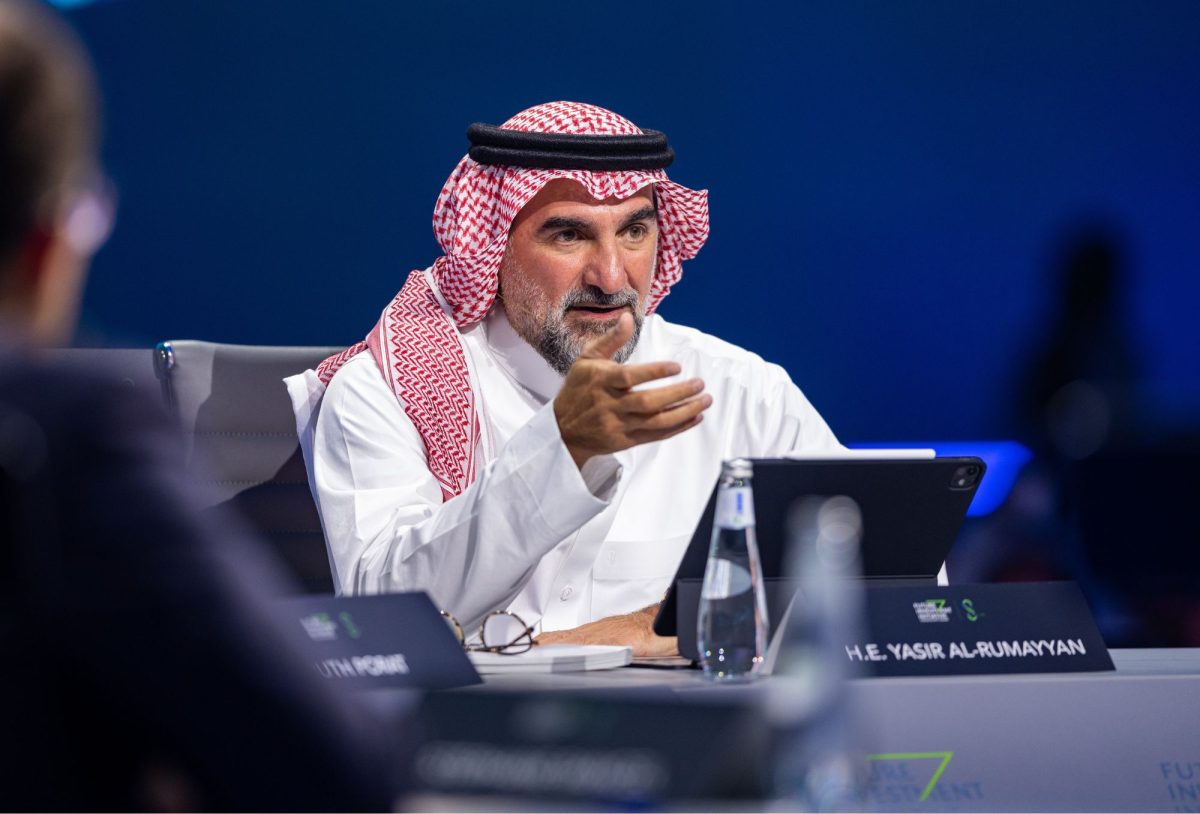
Saudi Arabia’s Public Investment Fund (PIF) is planning to reduce its foreign holdings as it redirects its focus back to domestic initiatives.
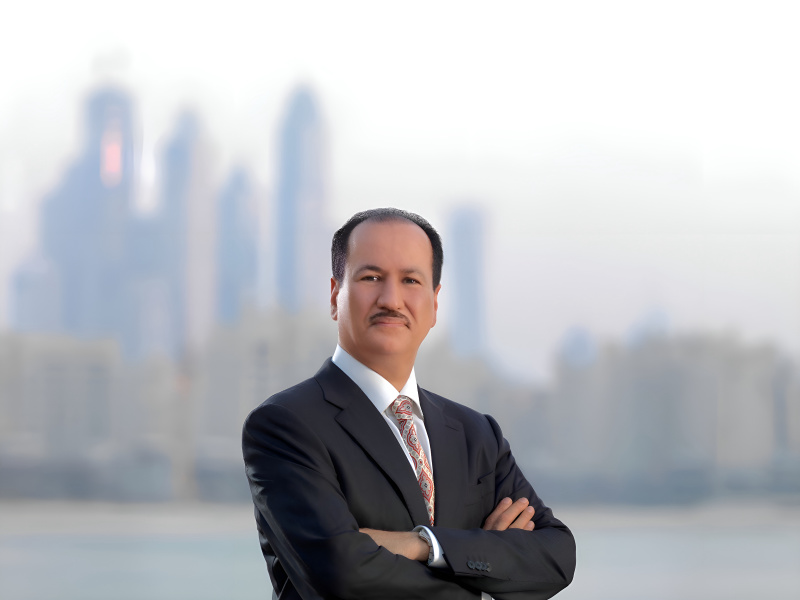
During the eighth Future Investment Initiative summit, the fund’s Governor, HE Yassir Al-Rumayyan said the wealth fund’s assets under management have grown to $930 billion, with PIF having launched over 92 new companies.
“Now we are more focused on the domestic economy, and we have been achieving great things,” noted Al-Rumayyan. Some of these investments are being made in major projects in the Kingdom such as NEOM, the Red Sea, and Qiddiya, as part of Saudi Arabia’s broader economic diversification strategy, Vision 2030.
As the country focuses its efforts on moving away from an oil-based economy, the Kingdom’s sovereign wealth fund is increasing its domestic investments.
“Initially, we had less than 2% of international investments. Most of the investments were developmental projects within the Saudi economy, but then it increased from 2% all the way up to 30%,” Al-Rumayyan said. “Now, our target is to bring it down to a range of 18% to 20%.”
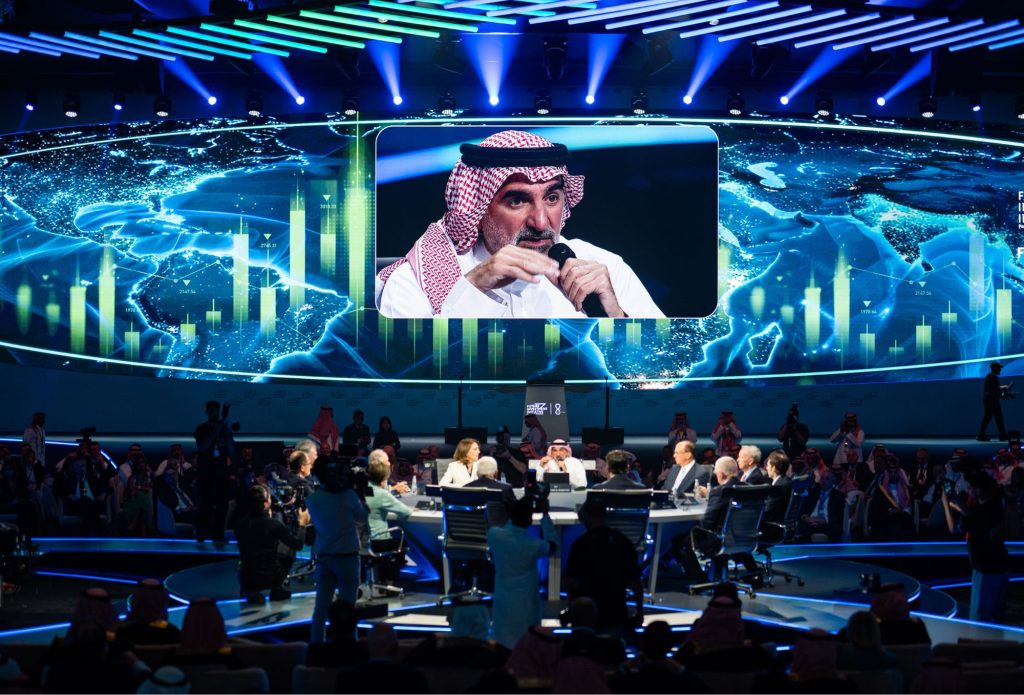
The fund’s new direction comes as artificial intelligence (AI) becomes an important investment area. Al-Rumayyan noted that AI could contribute nearly $20 trillion to the global economy by 2030, with Saudi Arabia aiming to be a global AI hub.
“Artificial general intelligence marks the next frontier, promising machines capable of problem-solving and driving productivities that will impact every sector from health care to energy,” Al Rumayyan said.
The Saudi fund has already backed an AI-focused investment firm with $100 billion in capital and is reported to be in early talks to partner with venture capital giant Andreessen Horowitz on a separate AI fund, which may grow to as large as $40 billion.
During the event, Al-Rumayyan also emphasised the need for investment decisions to balance economic, social, and environmental outcomes, as well as a shift in investment dynamics, as discussions with investors change from funding requests to co-investment propositions. Despite changes in its strategy and priorities, Al-Rumayyan highlighted how the absolute dollar amount for the PIF’s international investments continues to grow.
“It was like a rollercoaster, down, up and now it is down as a percentage, but the dollar amount is increasing,” he added.