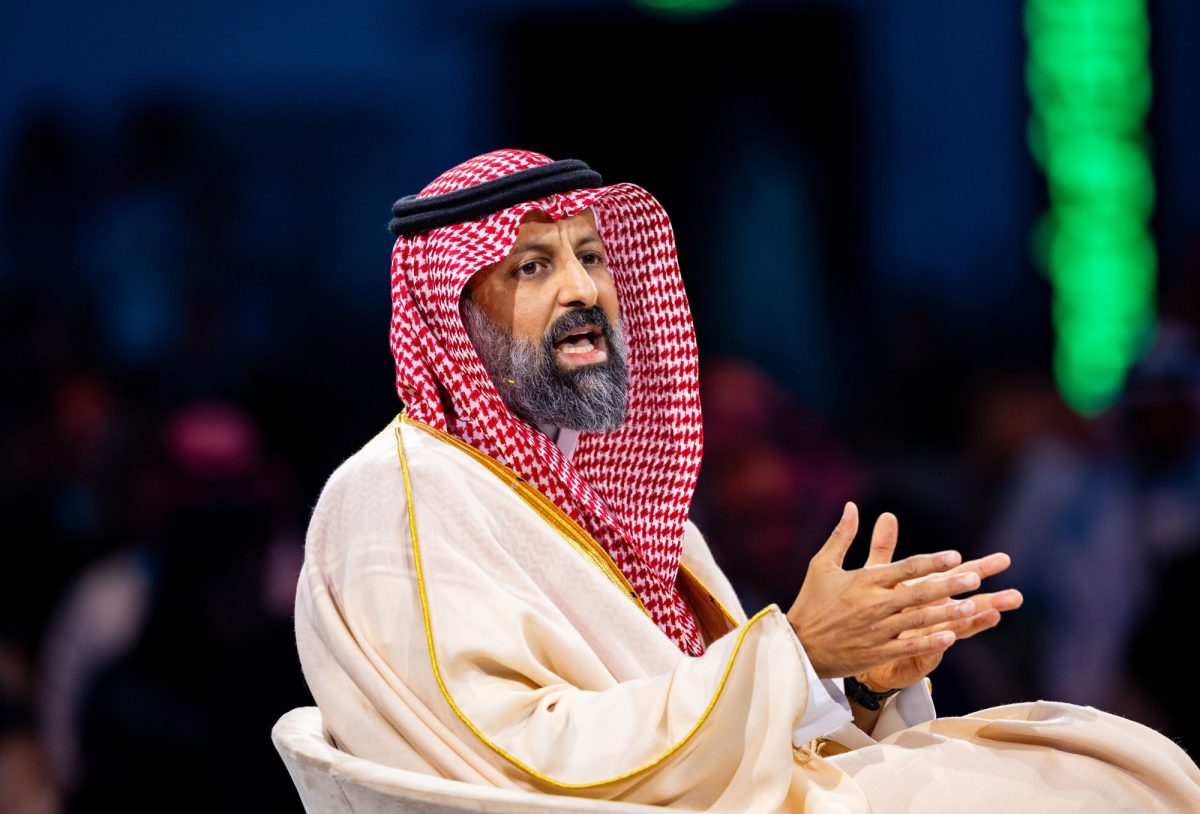
Saudi Arabia could see about $3 trillion in investment leading up to Vision 2030, HE Mohammed ElKuwaiz, Chairman of the Capital Market Authority (CMA) has said.
The Kingdom’s financing rates are among the fastest growing globally, as the nation has made significant efforts to diversify its economy and divest from oil under Vision 2030.
“In our case, the big story of the capital markets is both increasing the size as well as opening it up to international investment,” El-Kuwaiz noted in a panel during the Future Investment Initiative (FII) conference in Riyadh. He highlighted the extraordinary growth of FDI inflows into the Kingdom, stressing that “international investment has moved to virtually nothing five to six years ago, to now slightly over SAR 400 billion.”
One of the main vehicles of capital inflows has been the Kingdom’s boost for initial public offerings (IPOs). Over the last three years, the number of domestic companies listing on the Saudi stock exchange (Tadawul) has risen from 38 in 2022, 35 in 2023 and 31 in 2024, so far. This year alone, Saudi Arabian IPOs have raised $11.8 billion.
This momentum is set to continue, as El-Kuwaiz noted the CMA holds 50 documents for potential IPOs Tadawul, with 100 agreements signed with financial advisors for offering purposes.
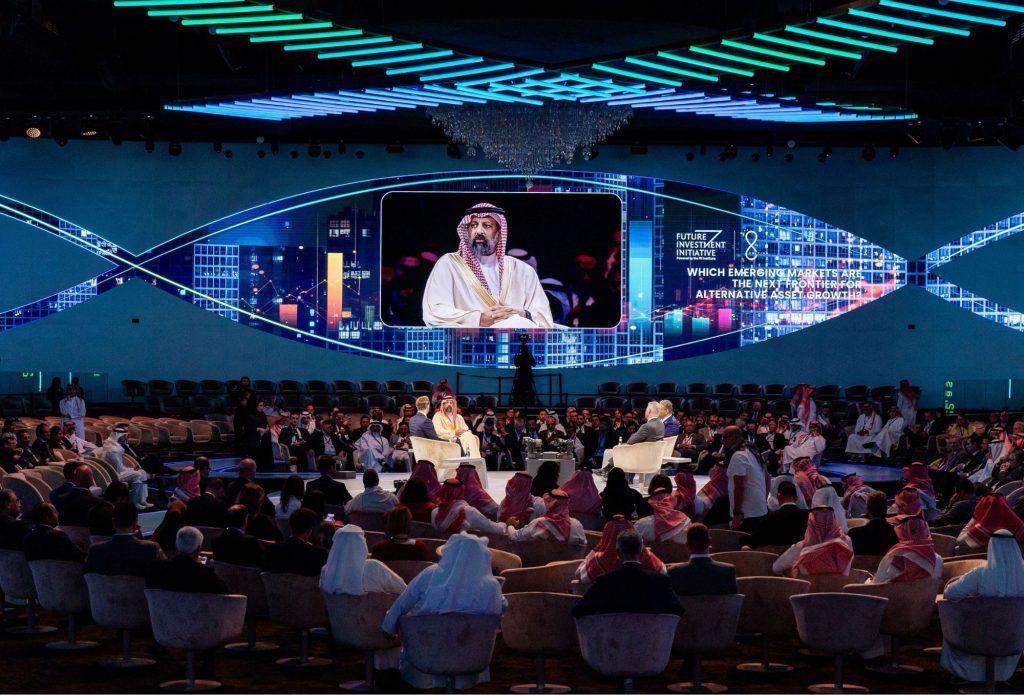
In the CMA Chairman’s view, the key to the growth of Saudi Arabia’s capital markets lies in the market’s liquidity, increased investor confidence and its ability to adapt to the local economy. Moreover, regulatory amendments play a crucial role in encouraging foreign investment.
As an example, he discussed how Saudi Arabia’s capital markets have historically focused on concentrated ownership, meaning it can combine many of the benefits of developed markets, such as increased transparency, alongside big, long-term oriented investors characteristic of private markets.
“The combination of transparency, disclose and anchor investors is a good thing; but there is a ‘but’,” El-Kuwaiz said. “This combination can be quite dangerous if you don’t have monitor shareholder protection because the anchor investor can direct the business, to the detriment of minority investors.”
This is why, the CMA Chairman said, in Saudi, we have become one of the most draconian markets in the world in terms of governance disclosures and minority shareholder protections.” El-Kuwaiz stressed that this is not driven by a desire to fit international standards, but because “we need to fit our funding model to fit the structure of our economy”. “That combination has been very successful,” he added.