The US Federal Reserve has reduced interest rates by 25 basis points (bsp), marking its second cut since the start of the COVID-19 pandemic.
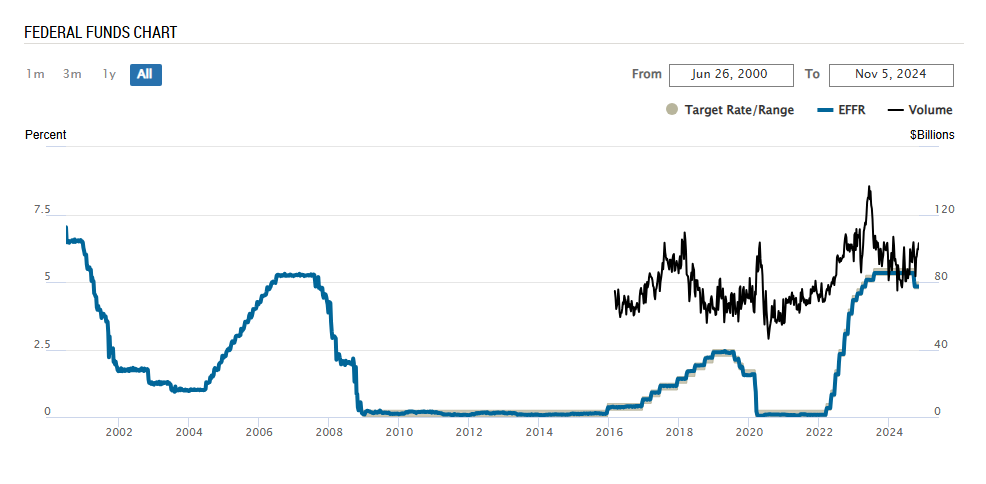
The policymakers lowered the central bank’s key lending rate to a range of 4.5% to 4.75%. This move, agreed unanimously by all committee members, aligns with economists’ expectations of a quarter-point reduction.
The Fed’s decision is the second interest rate cut in four years. During this period, the agency raised the rates 11 consecutive times, the last of which was in July 2023, setting the range between 5.25% and 5.50%. This rate was held constant for eight consecutive meetings until it was reduced by 50 bps in September 2024 to a range of 4.75% to 5%.
US stock markets reacted positively to the announcement. Both the Nasdaq and the S&P 500 closed at record highs, continuing on the rally caused by Trump’s victory in the US election.
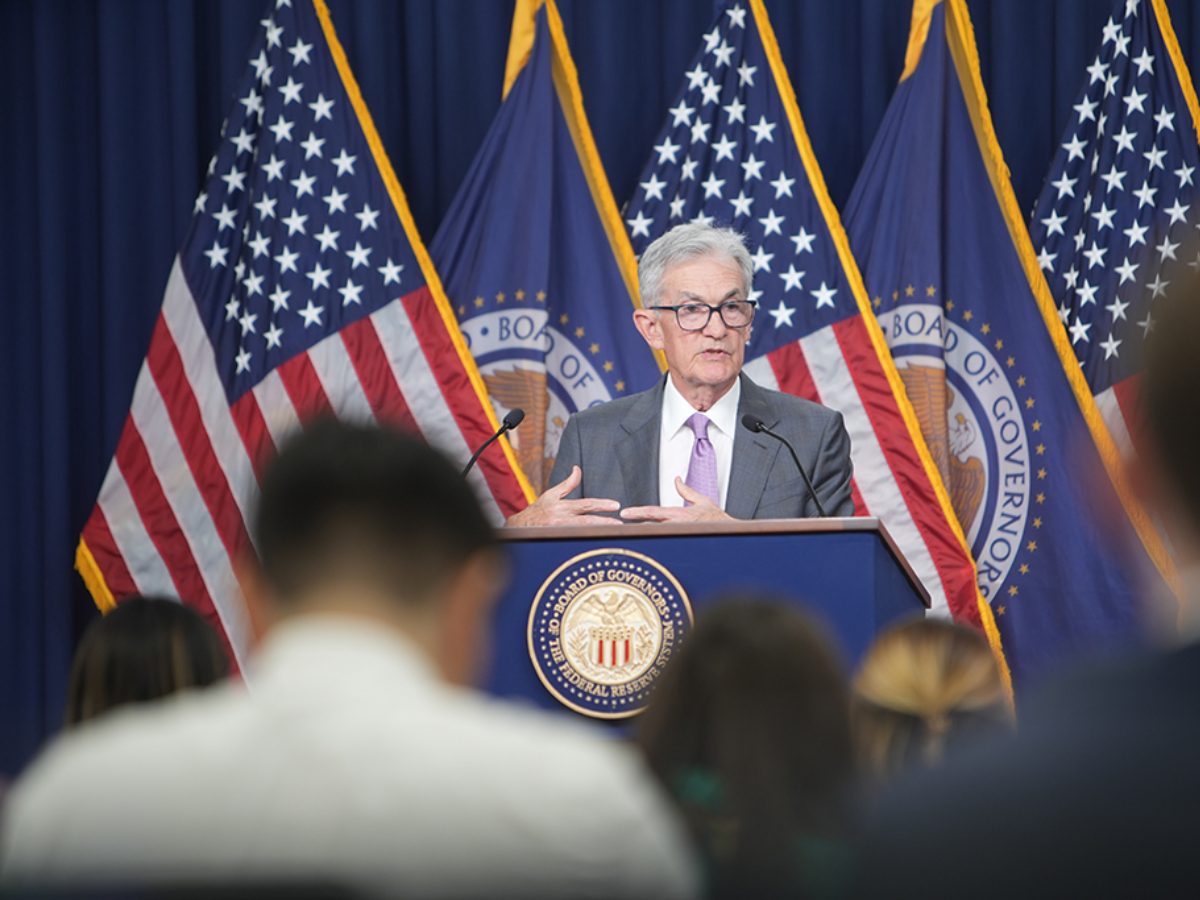
During a press conference following the announcement, Fed Chair Jerome Powell pointed towards the Committee’s awareness that reducing rates too quickly could hinder progress on inflation while moving too slowly could dampen economic activity.
“The committee judges that the risks to achieving its employment and inflation goals are roughly in balance,” the Committee said in a statement. “The economic outlook is uncertain, and the committee is attentive to the risks to both sides of its dual mandate.”
GCC central banks follow suit
GCC central banks were quick to mirror the interest rate cut, following the Fed’s lead.
“Lower rates in the GCC could fuel growth in sectors sensitive to credit conditions, such as real estate and domestic spending, enhancing resilience in the broader economy,” said Vijay Valecha, Chief Investment Officer at Century Financial.
As a result, the UAE Central Bank reduced the base rate for the Overnight Deposit Facility (ODF) by 25 bsp, bringing it down to 4.65%, effective from November 8, 2024.
The Saudi Central Bank (SAMA) reduced its repurchase agreement (Repo) rate and reverse repo rate by 25 bps each to 5.25% and 4.75%. In a statement, the central bank said this decision aligns with its objectives to support monetary and financial stability.
The Central Bank of Bahrain (CBB) announced it will lower the overnight deposit rate by 25 bsp from 5.50% to 5.25%, effective from November 10. The Qatar Central Bank (QCB) also decided to reduce the current interest rates for the QCB deposit rate, QCB lending rate and QCB repo rate, effective from the same date.
More cuts ahead?
When asked whether Trump’s election would affect the Fed’s policymaking, Powell said that “in the near term, the election will have no effects on our (interest rate) decisions.” However, economists have begun speculating on the impact that the new US President’s policies could have on inflation and interest rates.
“Since earlier in the year, labour market conditions have generally eased and the unemployment rate has moved up but remains low,” the Fed statement added. However, the Fed is expected to carefully monitor these economic indicators before imposing additional rate cuts.
The CME Fed watch tool currently points towards a 70% probability of another 25 bsp cut in December. Meanwhile, markets are projecting a total 100 bsp cut by the end of 2025.
“The expected policies of the new Trump administration are likely to fuel inflation via a combination of lower taxes, less regulation and import tariffs,” said Daniel Murray, Deputy CIO & Global Head of Research at EFG Asset Management.
Looking at the possibility of further cuts, Murray added: “Futures are now pricing a terminal rate of around 4%, which does not seem unreasonable in the context of robust labour markets and expected government policies that would generally be viewed as fuelling inflation.”
Banks and financial institutions have also scaled down their predictions. JPMorgan Chase now expects a cumulative 50 bsp of reductions in H1 2025 and Nomura Holdings’s analysts predict one rate cut in 2025, rather than the previously anticipated four.