

The introduction of corporate tax in the UAE marks a significant shift in the country’s fiscal landscape, positioning the nation for long-term economic stability and growth. Implemented on June 1, 2023, the new tax structure levies a 9% tax on profits exceeding Dh375,000, aiming to diversify the government’s revenue streams. This reform aligns with global tax standards and reduces the UAE’s dependency on oil revenues, fostering a more resilient economic environment. The implications of this tax are profound, affecting business operations, foreign direct investment (FDI) and compliance practices across various sectors.
Economic impact across sectors
The impact of corporate tax on different sectors varies, and it is primarily influenced by business size, industry characteristics and the capacity to transfer costs to consumers. Multinationals and larger enterprises find the 9% tax manageable within their broader financial strategies. Bas Kooijman, CEO of DHF Capital S.A, noted, “In response, businesses are enhancing compliance procedures, revising financial strategies, exploring legal restructuring, and seeking professional advice to navigate the new tax environment while maintaining profitability.”
In contrast, sectors with lower profit margins—such as retail, hospitality and agriculture—face significant challenges in managing the new tax obligations. Nadia Batiukova, Director of Corporate Tax at KPMG Lower Gulf, said, “While the 9% tax rate is manageable, it can reduce after-tax profits, affecting shareholder returns. Low-margin sectors may face challenges in balancing tax obligations with operational costs.” Despite these challenges, the introduction of corporate tax encourages firms to adopt financial discipline, which can lead to long-term growth.
Small businesses also navigate the new tax landscape with varying degrees of impact. Companies generating net profits under Dh375,000 remain exempt from corporate tax, while those with revenues below Dh3 million can benefit from the small business relief programme, deferring tax obligations until at least the end of 2026. “These measures ensure that smaller enterprises remain competitive and viable despite the new tax regime,” explained Ali Nawaz, Senior Manager of Client Accounting at Sovereign PPG. “By aligning its corporate tax framework with global best practices, the UAE strengthens its reputation as a well-regulated business hub, attracting international companies while promoting transparency and accountability in the local market.”
However, the need to adjust pricing strategies to accommodate new tax obligations has become crucial for businesses exceeding the specified revenue thresholds. The cost of compliance—including expenses for tax returns, transfer pricing studies and other related obligations—adds an additional layer of complexity for companies across sectors.
Enhancing fiscal stability
Corporate tax is seen as a pivotal tool for enhancing fiscal stability in the UAE. By providing a predictable and stable source of revenue, the government can fund essential projects aligned with its sustainable goals. “The introduction of corporate tax will allow to diversify government income and thus, mitigate the vulnerability of the country’s economy to fluctuation in oil prices. It also supports national goals like the UAE 2031 and Centennial 2071 visions, contributing to sustainable economic growth and enhancing competitiveness,” Batiukova said. This diversification is vital for ensuring the sustainability of economic growth in the face of global market uncertainties.
The implementation of corporate tax not only bolsters government revenue but also enhances the credibility of local businesses. By adhering to international tax standards, the UAE reinforces its commitment to fiscal responsibility and transparency, making it more attractive to foreign investors. Batiukova noted that this evolution in the tax system reassures international investors about the stability and integrity of the UAE’s business environment.
Foreign direct investment
The relationship between corporate tax policy and foreign direct investment in the UAE is complex. Initially, there were concerns that the introduction of corporate tax might deter foreign investors. However, the competitive 9% rate has proved to be attractive compared to many other jurisdictions. Batiukova said, “The introduction of corporate tax has positively impacted foreign direct investment (FDI) in the UAE by creating a more transparent and competitive regulatory environment.”
Moreover, the UAE’s strategic geographic location and robust infrastructure continue to make it an appealing destination for international businesses. Despite the introduction of corporate tax, the absence of personal income tax and capital gains tax for most individuals reinforces the UAE’s status as a tax-efficient environment.

“Despite corporate tax, there is no personal income tax and no tax on capital gains for most individuals, which continues to attract high-net-worth individuals and businesses,” she added. “UAE also has a very large network of tax treaties which is a key area for business hub. Hence, the investors can rely on these treaties to avoid double taxation.”
The corporate tax is also aligned with the UAE’s broader economic diversification strategy. Historically reliant on oil and gas revenues, the UAE seeks to reduce this dependency by creating new revenue streams. Funds generated from corporate taxation are expected to be reinvested into key sectors, unlocking new investment opportunities and enhancing the overall business environment.
Furthermore, the UAE government has established special regimes such as free zones and participation exemptions to encourage FDI. The 0% tax rate available to qualifying entities in free zones allows businesses to benefit from the corporate tax while maintaining a competitive edge. “Special regimes, such as Free Zones and participation exemptions, along with 100% foreign ownership, are designed to attract FDI,” Nawaz stated.
Adapting to compliance requirements
As businesses adjust to corporate tax regulations, they face various challenges, particularly regarding compliance and financial planning. Many firms have begun updating their internal policies and accounting systems to meet the new requirements. “We see that many businesses both Free Zones and mainland UAE have started reviewing and updating their internal policies and accounting systems to align with corporate tax requirements,” Batiukova highlighted.
Many businesses have become focused on adhering to transfer pricing regulations. Proper documentation of intra-group transactions is essential to ensure compliance with corporate tax law. Batiukova comments, “We see businesses adhering to the transfer pricing regulation as one of the key areas to ensure that all the transactions between the related companies and parties are with proper markup or profit distribution.” This approach reflects a broader shift towards enhanced governance and transparency in business operations.
While larger firms may possess the resources to manage these compliance demands, smaller enterprises often face significant hurdles. “Balancing tax obligations with operational needs, especially for businesses with low-profit margins, poses financial strain,” Nawaz explained. The potential financial strain from compliance costs necessitates businesses to seek external assistance, further increasing operational expenditures.
The UAE government is actively supporting businesses in their compliance efforts. Batiukova explained that ongoing workshops and support services are being provided to assist companies in understanding the corporate tax regime. This initiative aims to equip businesses with the knowledge and tools required to navigate the complexities of the new tax environment.
Levelling the playing field
The introduction of corporate tax has contributed to creating a more level playing field between local and international businesses. The uniform 9% tax rate applies to all businesses, reducing the competitive advantage that international firms previously enjoyed in a tax-free environment. “This uniformity reduces the advantage that international companies previously enjoyed in a tax-free environment, fostering a more equitable competitive landscape,” Nawaz said.
This uniform tax framework not only promotes fairness but also aligns the UAE with international best practices, potentially boosting investor confidence.
“The tax supports economic diversification and sustainable development without compromising the UAE’s attractiveness,” Kooijman said. By maintaining other business-friendly policies, removing local sponsorship requirements, and allowing 100% foreign ownership in most sectors, the government aims to generate revenue while preserving the UAE’s status as a competitive global business hub, ensuring fiscal stability and continued foreign investment.”

The competitive nature of the tax rate enables businesses to focus on growth and operational efficiency rather than tax avoidance.
However, the corporate tax regime also poses challenges for international firms considering expansion in the UAE. The increase in overall costs of doing business may deter some companies from establishing a presence in the region. “International businesses may need to reassess their strategies in light of this new tax landscape,” warned Nawaz. “While some may consider other jurisdictions with more favourable tax conditions, others may find fresh opportunities within the UAE’s diversified economy.”
On the flip side, the corporate tax regime can encourage local companies to improve their operations to maintain profitability in a more competitive environment. According to Batiukova, this pressure drives innovation and operational efficiency, ultimately contributing to the overall growth of the UAE’s economy.
Long-term expectations
Looking ahead, the long-term expectations for corporate tax in the UAE suggest a dynamic environment with potential for regulatory adjustments. The UAE could align its tax regime with international standards, including the OECD’s Global Minimum Tax (GMT), which could see a 15% tax rate for very large multinational enterprises by 2025. “While the current rate stands at 9%, future adjustments may be influenced by economic conditions and competitive positioning, with the possibility of sector-specific incentives to promote areas like technology, renewable energy and tourism,” warned Nawaz.
Businesses should anticipate ongoing adaptations in record-keeping requirements and compliance practices. Batiukova stresses the importance of maintaining agility in business strategies, stating, “Companies will need to focus on strategic tax planning and enhance their governance structures to adapt to the evolving tax landscape.”
As the corporate tax framework develops, the UAE government may introduce sector-specific incentives to encourage investment in targeted areas such as technology, renewable energy, and tourism. This proactive approach will allow the UAE to maintain its competitive edge while fostering sustainable economic growth.
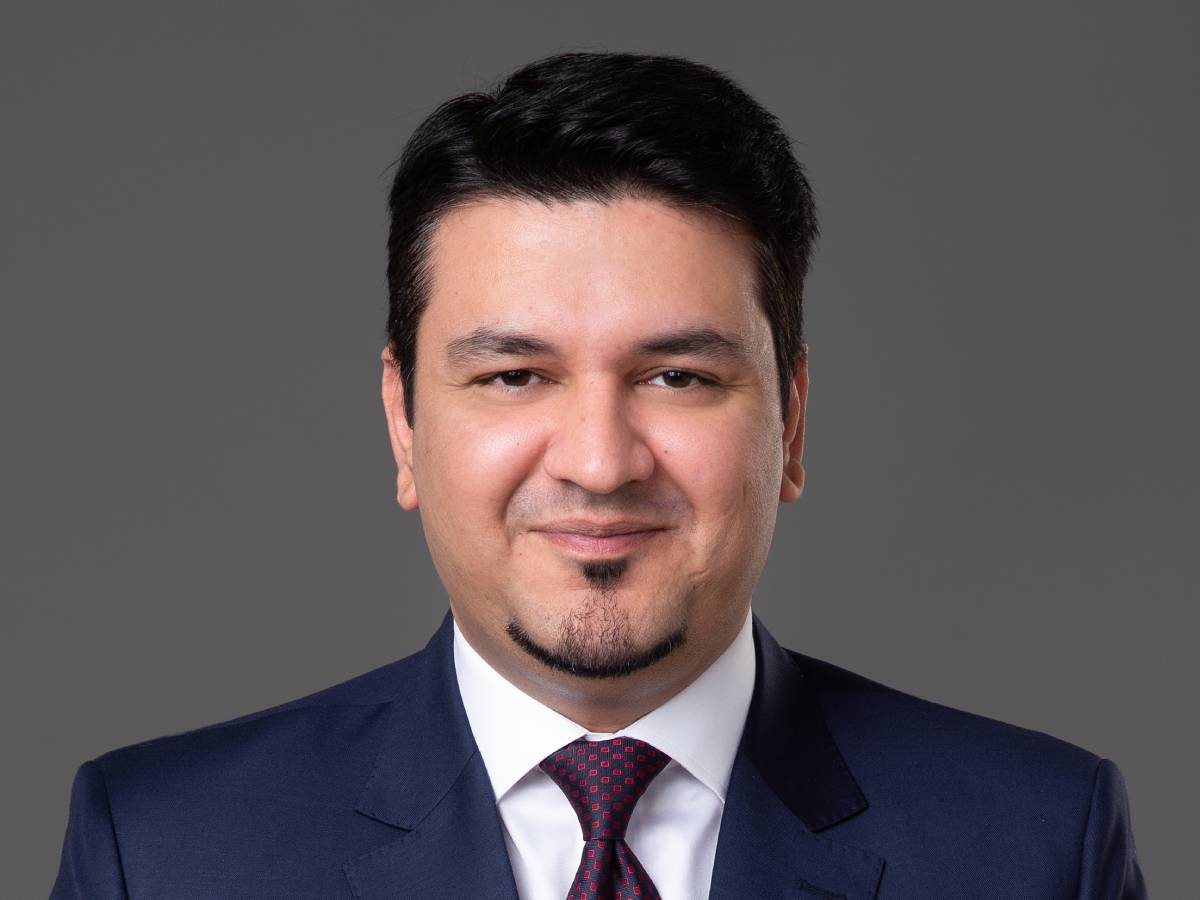
Furthermore, Nawaz highlights the importance of effective communication between businesses and regulatory authorities. “Engaging in open dialogue will help ensure that the regulatory environment remains conducive to business growth while aligning with international standards,” he noted.
The introduction of corporate tax in the UAE represents a transformative shift in the country’s approach to fiscal policy. By enhancing revenue stability, attracting foreign investment, and promoting operational efficiency, the corporate tax sets the foundation for a sustainable and diversified economy. As businesses adapt to the new regulatory landscape, they must embrace strategic tax planning and enhanced compliance measures to thrive in this evolving environment.
The success of the UAE’s corporate tax is underscored by its potential to enhance fiscal stability, attract foreign direct investment, and promote economic diversification. As businesses adjust to the new tax framework, the need for innovative financial strategies and robust compliance practices becomes paramount. Corporate tax serves as a fiscal tool and a catalyst for operational efficiency and transparency, positioning the UAE as a forward-thinking player in the global business arena.
While the corporate tax introduces complexities, it also presents opportunities for businesses to grow, innovate, and align with international best practices. The UAE is well on its way to establishing a more sustainable and competitive economic environment, paving the way for long-term success and resilience in a changing global landscape.