
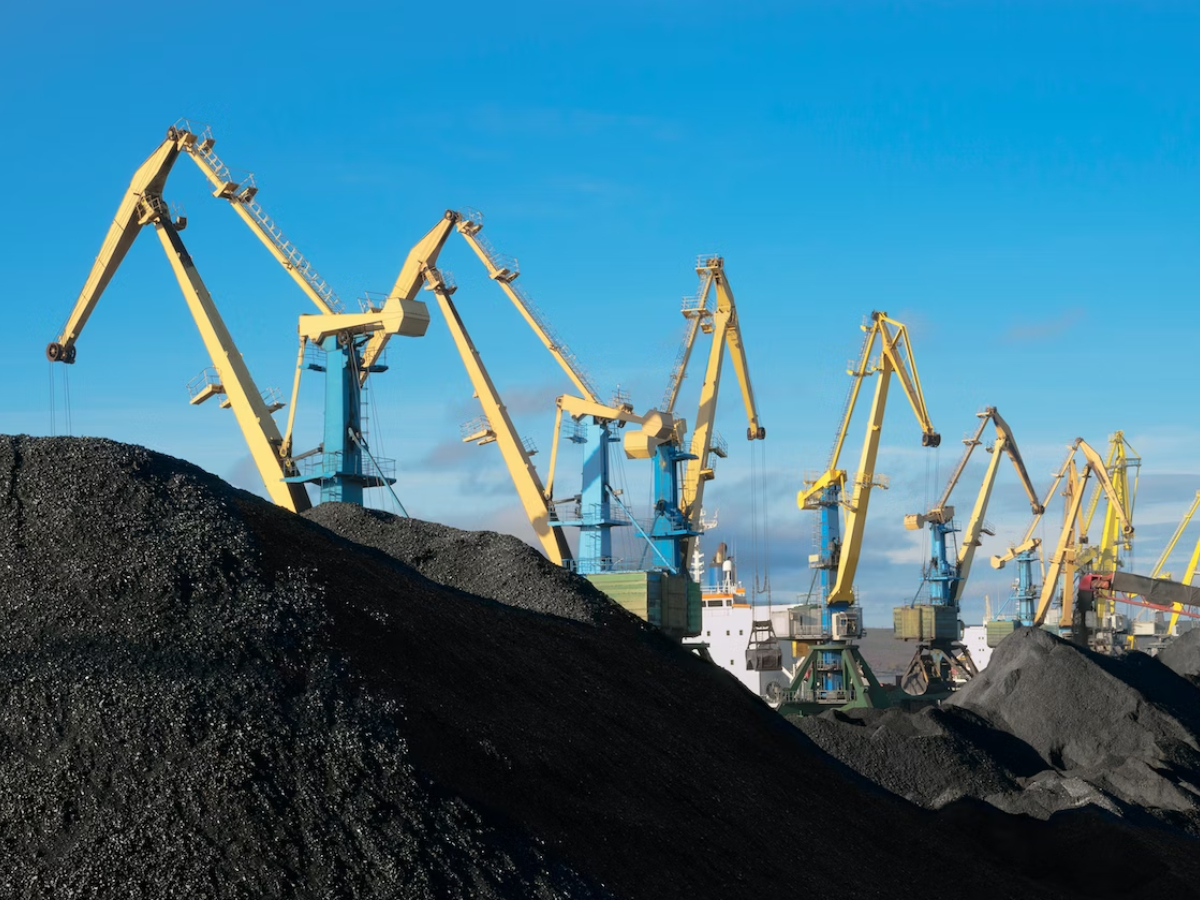
Global coal demand is projected to plateau at around 8.4 billion tonnes annually through 2027, according to the International Energy Agency (IEA) in its latest Coal 2024 report. Despite a slight increase of 1.2% in 2023 driven by energy shortages and industrial needs, the report highlights that coal’s role in the energy mix will stabilise due to accelerating clean energy transitions, particularly in advanced economies.
Key drivers of coal demand stabilisation
The plateauing of coal demand is underpinned by several factors:
- Energy transitions: Renewable energy sources and natural gas are rapidly displacing coal in electricity generation in developed markets. Increasing investment in solar, wind, and other clean technologies is reducing the reliance on coal-fired power plants.
- China and India’s role: China and India continue to dominate global coal consumption, accounting for over two-thirds of global demand. While demand in these countries remains high, growth is expected to slow as clean energy initiatives gain momentum and economic diversification strategies take hold.
- Decline in Europe and the US: Coal use in Europe and the United States is projected to decline significantly, driven by strict environmental regulations, the retirement of coal-fired power plants, and increasing commitments to net-zero targets.
Industrial and Energy sector
Industrial coal use, particularly in steel and cement production, is expected to remain a key component of demand. However, technological advancements such as hydrogen-based steelmaking and alternative materials for cement production could further reduce coal’s industrial applications.
The power generation sector, which accounts for the largest share of coal demand, will see limited growth as renewable energy projects come online at a faster pace. However, coal will continue to play a crucial role in emerging markets, where energy security concerns and the need for affordable electricity remain critical.
Supply chain
Coal exports from major suppliers like Australia, Indonesia and Russia will remain stable, meeting demand in Asia-Pacific markets. However, geopolitical factors, including sanctions and trade tensions, could impact coal trade dynamics. The report notes that global coal prices have normalised after the sharp volatility seen in 2022 and early 2023 due to supply chain disruptions.
The plateauing of coal demand aligns with broader global climate goals, but the IEA warns that it is insufficient to meet the targets of the Paris Agreement. The agency emphasises the need for accelerated clean energy deployment, policy interventions, and investment in carbon capture and storage (CCS) technologies to achieve deeper emissions reductions.