As the world grapples with the urgent need for coordinated efforts to combat climate change, transitioning towards a more sustainable energy system has never been more urgent. Driven by a groundswell of public awareness and corporate responsibility, governments worldwide have significantly committed to transitioning from conventional, carbon-intensive energy sources to sustainable alternatives.
Against this backdrop, the Middle East and North Africa (MENA) region, long synonymous with abundant fossil fuel reserves, is embarking on the transformative journey of the energy transition.
Challenges and opportunities
For years, the abundance of hydrocarbon resources historically positioned the MENA region as a primary energy source for the international market, influencing global energy prices and supply dynamics. Endowed with vast oil and natural gas reserves, countries such as Saudi Arabia and the United Arab Emirates possess some of the world’s largest proven oil reserves, making them central players in the global energy landscape.
Today, however, the MENA region finds itself at a crossroads, recognising the urgent need to diversify its energy portfolio. The 28th Conference of the Parties to the United Nations Framework Convention on Climate Change (UNFCCC) COP28, which concluded just a few days ago in Dubai, has spotlighted the region’s commitment to reducing carbon emissions, promoting sustainable practices, and embracing renewable energy sources. Recognising the need for diversification and sustainable development, many countries in the MENA region are investing in renewable energy projects. Nations such as Bahrain, Kuwait, Oman, Saudi Arabia, and the UAE have embraced net-zero emission targets, marking a strategic shift towards energy transition.
Although fraught with challenges, this energy transition journey for the MENA region is also laden with opportunities that can reshape the region’s energy landscape and contribute to global sustainability goals. Historically tethered to the economic stability derived from oil and gas exports, MENA nations face the challenge of redefining their economic landscape, aside from the global sustainability agenda.
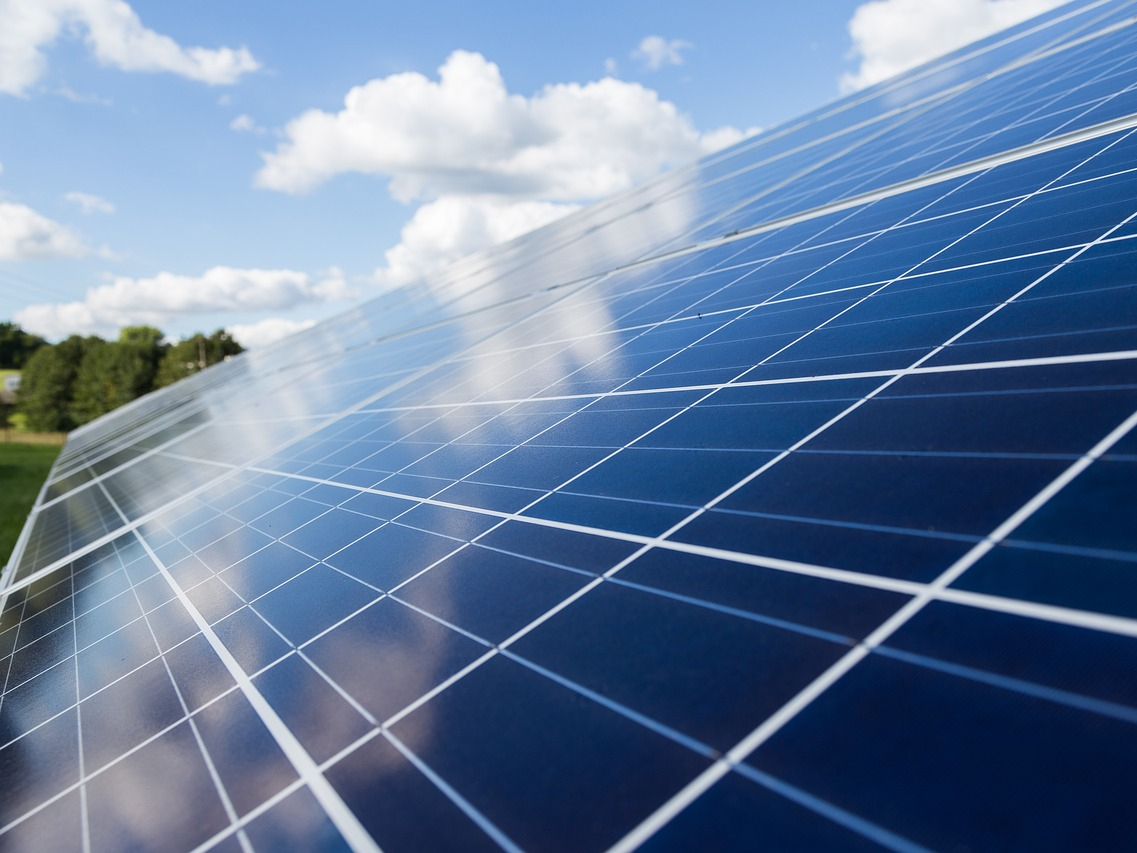
To that end, the vast solar potential in the region, especially in countries like Saudi Arabia and the UAE, positions them as key players in the global expansion of solar energy. As MENA invests in renewable sectors, employment generation becomes a natural byproduct. Establishing and maintaining solar and wind facilities, coupled with the growth of associated industries, will help create a surge in job opportunities, fostering socio-economic development. The success stories of countries like Morocco and Jordan stand as a testament to the immense economic and employment opportunities embedded in the renewables sector.
However, shifting from traditional energy sources to renewables requires a massive infrastructure overhaul and technological leap. From revamping energy grids to establishing state-of-the-art solar and wind facilities, MENA nations must navigate the complexities of modernising their energy infrastructure.
Facilitating access to financing
In pursuing sustainable energy transformation across the MENA region, the indispensable role of climate finance emerges as a linchpin, both in catalysing progress and confronting persistent challenges. The World Bank’s stark observation that MENA receives the most minor climate finance globally underscores the urgency for concerted action, urging governments to harness public and private funding streams. OECD data from 2020 indicates a modest flow of climate finance, averaging between $2 and $3 billion annually since 2012. This, while additive, pales against the region’s pressing needs and potential for sustainable growth. Climate finance mechanisms thus wield transformative potential, offering a diverse toolkit that includes grants, concessional loans, green bonds, and sukuk. By strategically leveraging these tools, governments and the private sector within the region can support the accessibility and affordability of green energy.

Conversely, recent data from the International Monetary Fund highlights a paradox – a substantial portion of international public climate funds remains underutilised. With worldwide deposits totalling $35 billion, of which $28 billion is earmarked for approved projects, MENA countries possess an opportunity. The international climate finance community thus emerges as a crucial ally, providing essential support to address the financial underpinnings of this monumental shift.
The success of MENA’s energy transition is contingent upon fostering collaboration between the public and private sectors. Public-private partnerships (PPPs) become essential catalysts in bridging financing gaps, sharing risks, and leveraging the strengths of both sectors.
The MENA region’s energy future will be shared by a combination of factors, including economic diversification and enrichment, environmental sustainability, and energy security, with overarching global energy market dynamics. In enabling a fair and just energy transition, in MENA and beyond, the banking sector’s role in directing capital flows to the projects that matter must be embraced. The journey ahead is undoubtedly challenging, but it promises a more resilient, environmentally conscious, and economically vibrant future for the MENA region and, by extension, the world.