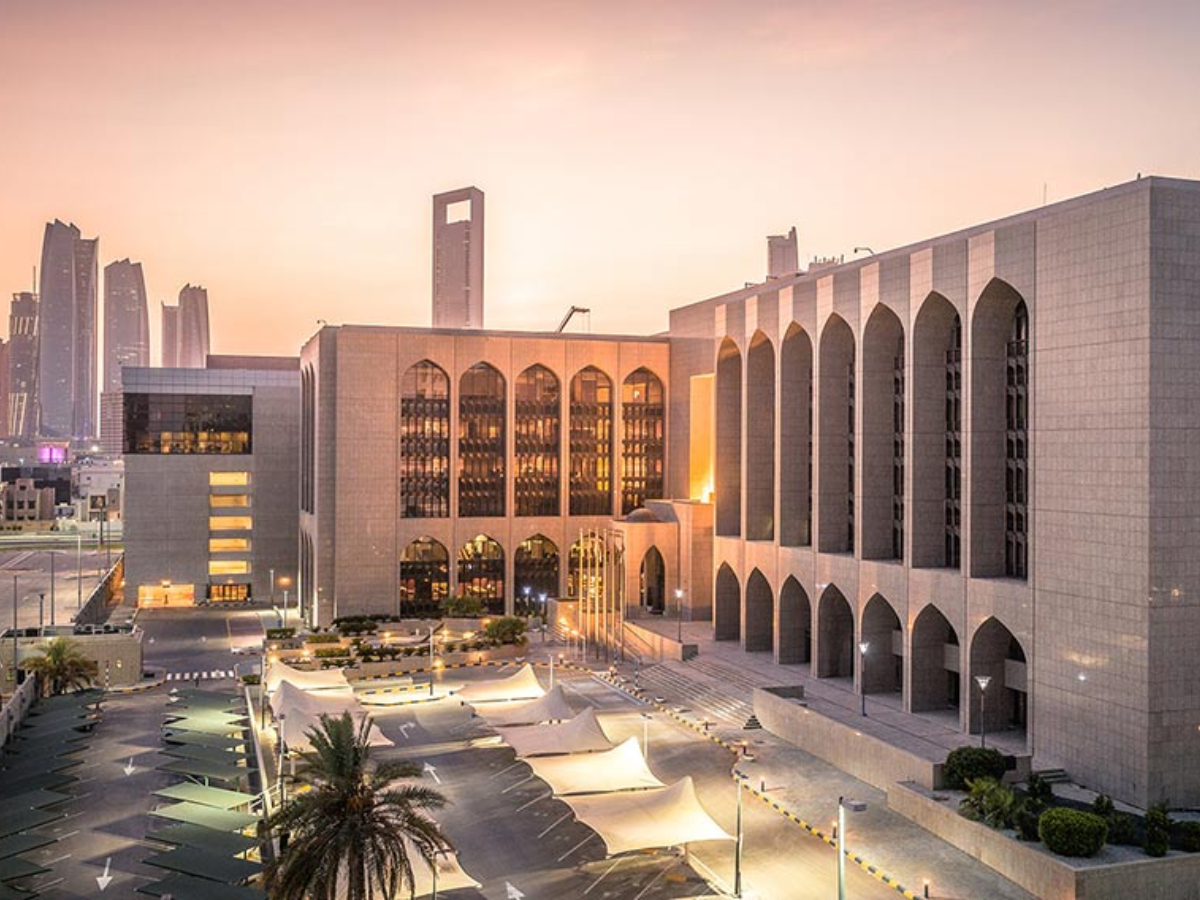
The Central Bank of the UAE (CBUAE) announced that the nation’s real GDP grew by 3.9% in 2024, driven by robust performances in both oil and non-oil sectors. The bank projects an acceleration to 4.7% growth in 2025.
Non-oil foreign trade increased by 13.8%, surpassing Dh2.8 trillion, bolstered by Comprehensive Economic Partnership Agreements.
The banking sector’s total assets reached Dh4.56 trillion, marking a 12% growth, positioning the UAE as a leader in the Middle East for banking assets. The insurance sector also saw gross written premiums rise to Dh64.8 billion.
In 2024, the CBUAE increased capital reserves to strengthen financial stability and conducted stress tests to assess climate change risks to the banking sector.
The UAE exited the Financial Action Task Force’s enhanced monitoring process, reflecting efforts to combat money laundering and terrorist financing.
Initiatives launched include the domestic card scheme “Jaywan,” the instant payment platform “Aani,” the world’s first Open Finance regulation, and a licensing system for virtual stablecoins. The “Sanadak” unit was also introduced to resolve banking and insurance disputes.
Emiratisation efforts led to licensed financial institutions employing 2,866 UAE nationals, exceeding targets by 152.9%. The total number of UAE nationals in vital positions rose to 7,886, a 20.22% increase from the previous year.
The CBUAE initiated the development phase of the “Sustainable Monetary Sukuk” program, focusing on economic feasibility and market size studies.
Governor Khaled Mohamed Balama stated that the CBUAE’s initiatives in 2024 have enhanced the efficiency and competitiveness of the financial sector, contributing to a more resilient and sustainable financial system.