Saudi Arabia’s Public Investment Fund (PIF) launched the Expo 2030 Riyadh Company (ERC), a PIF-owned entity responsible for building and operating the facilities for Expo 2030 Riyadh and preserving its post-event legacy.
The Expo masterplan spans 6 million square metres north of Riyadh, near King Salman International Airport, and is expected to draw over 40 million visitors between October 2030 and March 2031. Construction and legacy operations are projected to contribute approximately $64 billion to the GDP and create 171,000 jobs, with an anticipated annual economic contribution of $5.6 billion once operational.
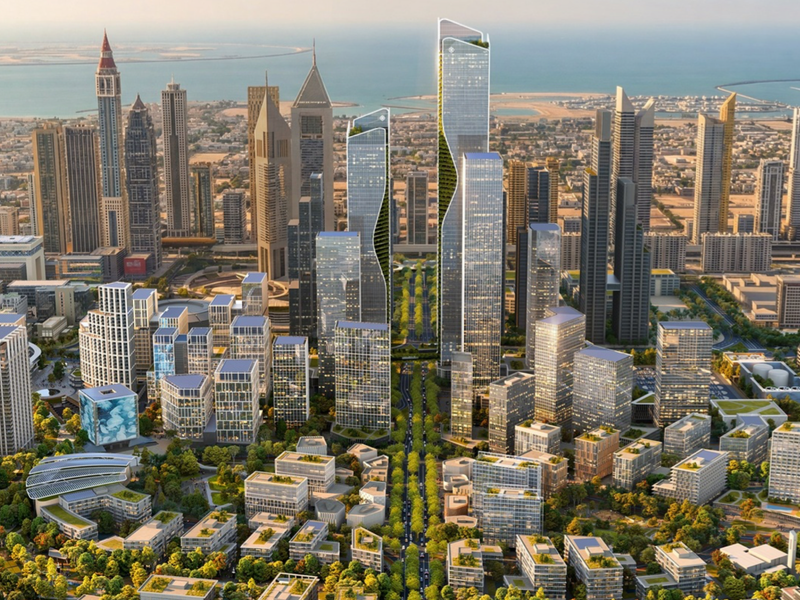
ERC intends to transform the Expo site into a permanent “Global Village” featuring retail, food and beverage, cultural venues and a residential community—positioning the area as a lasting cultural and tourism hub.
This initiative aligns with PIF’s strategy to diversify Saudi Arabia’s economy under Vision 2030 through gigaprojects and major real estate ventures. Saad Alkroud, head of PIF’s real estate investment division, said the launch draws upon PIF’s ecosystem to drive urban innovation, economic transformation and quality-of-life improvements.
ERC plans to engage public and private sector partners for construction, cultural programming and event management in the lead-up to Expo 2030.
Market and economic impact
The development forms part of a broader pipeline of infrastructure projects aimed at boosting non-oil GDP, tourism and sustainable urban growth. Analysts note the Expo’s infrastructure will support sectors including hospitality, transport, retail and cultural industries, complementing other giga-projects such as NEOM and the Red Sea development.
Construction phase lending needs may rise sharply; a banking-sector report forecasts that spending linked to the Expo could grow at an 11% compound annual rate to reach $824 billion by 2030.