When asked what drives the economy, many would name inflation, interest rates or geopolitics. But one powerful factor often flies under the radar – remittances. These money transfers sent by millions of expatriates to their home countries, quietly fuel economies – and account for over 10% of GDP in at least 30 countries. In 2023 alone, remittances worldwide reached a staggering $ 857 billion – a clear sign of their global impact and why they warrant even greater attention in economic dialogue.
While the US has long held the title of the world’s largest remittance sender, in the Middle East—and especially the UAE—remittances serve as a powerful economic force. Here remittances do more than cross borders; they shape financial stability, boost household prosperity and build economic resilience.
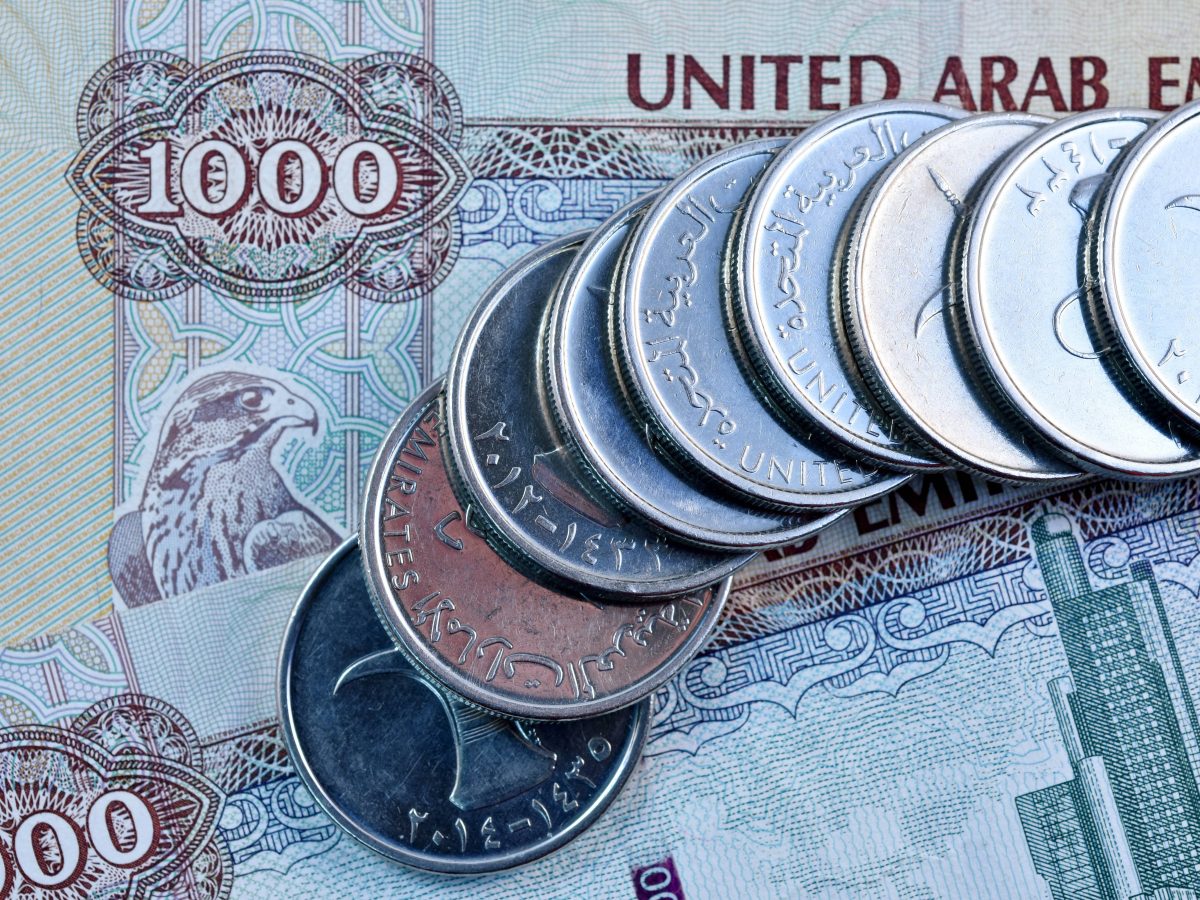
The UAE is not just a hub for global trade and tourism; it ranks among the world’s top remittance senders, with World Bank data showing that expatriates sent over $38.5 billion in remittances in 2023. At the time, this accounted for roughly 7.6% of the country’s GDP.
By 2024, approximately 304 million people worldwide were international migrants, crossing borders driven by economic needs or geopolitical forces. Their financial contributions are lifelines for millions of families across Asia, Africa and beyond, funding education, healthcare, and small businesses. In Lebanon, for example, remittances account for a striking 30% of GDP.
However, the impact isn’t one-sided; from a sender’s perspective, remittances significantly contribute to creating competitive economies. These funds keep markets humming by driving banking services, fintech innovation and consumer spending. Advanced financial infrastructures, with innovations such as digital wallets and online platforms, are revolutionising remittance corridors, making transfers faster, more reliable, and more affordable than ever. This digital leap enhances positive impact, allowing remittances to better serve families – as well as their home and host countries.

Remittances don’t just flow, they stabilise. In turbulent times, such as the 2008 global financial crisis or the pandemic, remittance volumes held strong – and proved more robust than Foreign Direct Investment Official Development Aid. This resilience makes them a crucial economic buffer, mitigating against financial shocks.
As the UAE and its neighbours diversify their economies, the strategic value of remittances is increasing. They underpin economic activity across sectors and soften the impact of fluctuations. Policymakers recognise that investing in secure, efficient remittance systems isn’t just smart—it is essential.
Ultimately, remittances are far more than mere money transfers. They are the backbone of many economies. They serve as stabilisers, catalysts for growth and vital bridges connecting local markets to the global financial system. By recognising this silent powerhouse, we can unlock its full potential — empowering it to play an even greater role in driving prosperity, resilience and sustainable long-term growth in the UAE, the Gulf and beyond.