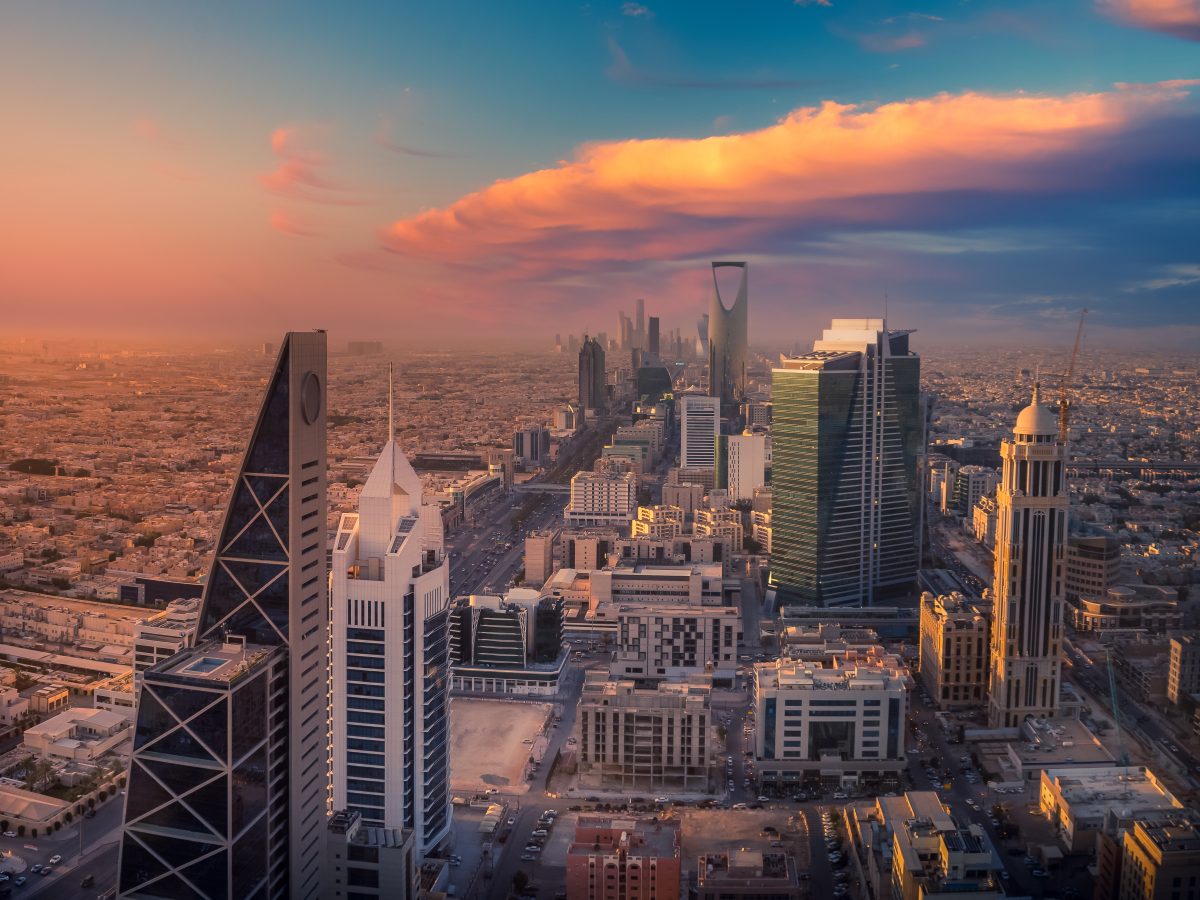
Saudi Arabia’s economy is projected to grow 3.6% in 2025, up from a previous forecast of 3.0%, driven by strong domestic demand and the phased removal of OPEC+ oil production limits, according to the International Monetary Fund’s 2025 Article IV Consultation report.
The IMF noted that while oil output fell in 2024 due to extended production cuts, non-oil activity expanded by 4.5%, led by construction, retail and hospitality. For 2025, oil GDP is expected to grow 4.0% as production rises to 9.5 million barrels per day in July and increases monthly thereafter. Non-oil growth is projected at 3.4%.
Domestic demand is supported by large-scale government-led projects under Vision 2030, alongside continued growth in private sector credit. The report highlights a sustained expansion in fixed capital formation, which is forecast to remain elevated through 2030, bolstered by annual contributions of at least $40 billion from the Public Investment Fund (PIF).
Unemployment among Saudi nationals fell to 7% in 2024, below the Vision 2030 target. Labour force growth was broad-based, with the construction sector posting a 24% year-on-year increase in workforce, driven largely by non-Saudi employment.
Despite the growth rebound, the IMF expects the twin deficits to persist. The fiscal deficit is projected to widen to 4.0% of GDP in 2025, from 2.5% in 2024, due to higher current spending and lower oil-related revenue. The current account deficit will increase to 2.6% of GDP, driven by higher capital imports and remittance outflows.
Inflation remains contained at 2.1%, as real interest rates and monetary policy remain tight. Net foreign assets of the Saudi Central Bank were stable at $415 billion in 2024, covering 14.1 months of imports and meeting 187% of the IMF’s reserve adequacy threshold.
The IMF noted that the banking sector remains well-capitalised and profitable, with non-performing loans at 1.2%, the lowest since 2016. Return on equity was 15% in 2024. Liquidity conditions are adequate but are under pressure due to rising time deposits.
Risks to the outlook include weaker global oil demand, lower government spending, and regional security tensions. The IMF also warned of fiscal strain if oil prices fall significantly, projecting the need for higher borrowing and drawdowns of fiscal buffers in such a scenario.
Over the medium term, real GDP is expected to converge towards 3.3% by 2030. Oil production is projected to return to 11 million barrels per day by 2029, below the sustainable capacity of 12.3 mbpd, while non-oil growth will stabilise near 3.5% as investment levels moderate after a series of international events.
The IMF recommended a gradual fiscal consolidation through tax reforms, subsidy removal, and spending rationalisation to preserve intergenerational equity and maintain fiscal sustainability.
Saudi Arabia was the largest dollar-denominated bond issuer in emerging markets in 2024, excluding China, with the government and PIF raising $17 billion and $9.8 billion, respectively. Sovereign spreads tightened following these issues, signalling investor confidence in fiscal management.
The IMF also endorsed plans for a property tax and further VAT base expansion as part of non-oil revenue mobilisation. However, it urged caution in any further tax exemptions or penalty waivers that could undermine compliance.