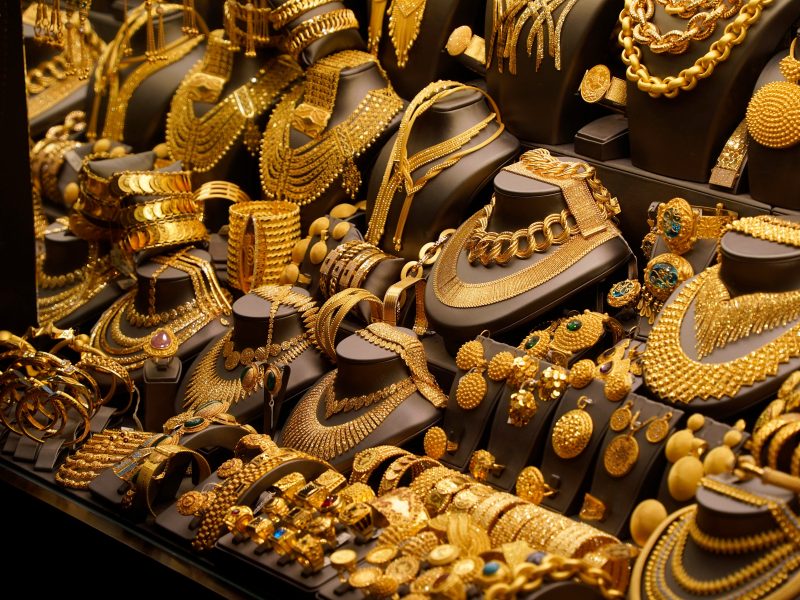

Gold has long held a dual role, a symbol of wealth in the form of jewellery and a financial asset held through bars, coins, or increasingly, digital platforms. But with prices near record highs and investment demand outpacing consumer appetite, the question is whether jewellery still deserves a place in an investor’s portfolio.
“Gold has long been regarded as an investment asset and a store of value far more than a consumption commodity or a raw material,” noted Samer Hasn, Senior Market Analyst at XS.com. Data from the World Gold Council supports this view, indicating that combined jewellery and investment demand accounted for approximately two-thirds of global demand between 2021 and 2024, with industrial use making up less than 7%.
Shifting demand patterns
The balance, however, is changing. Jewellery’s share of global gold demand has fallen sharply, from 48% in 2021 to below 41% in 2024, and to under 29% in the second quarter of 2025.
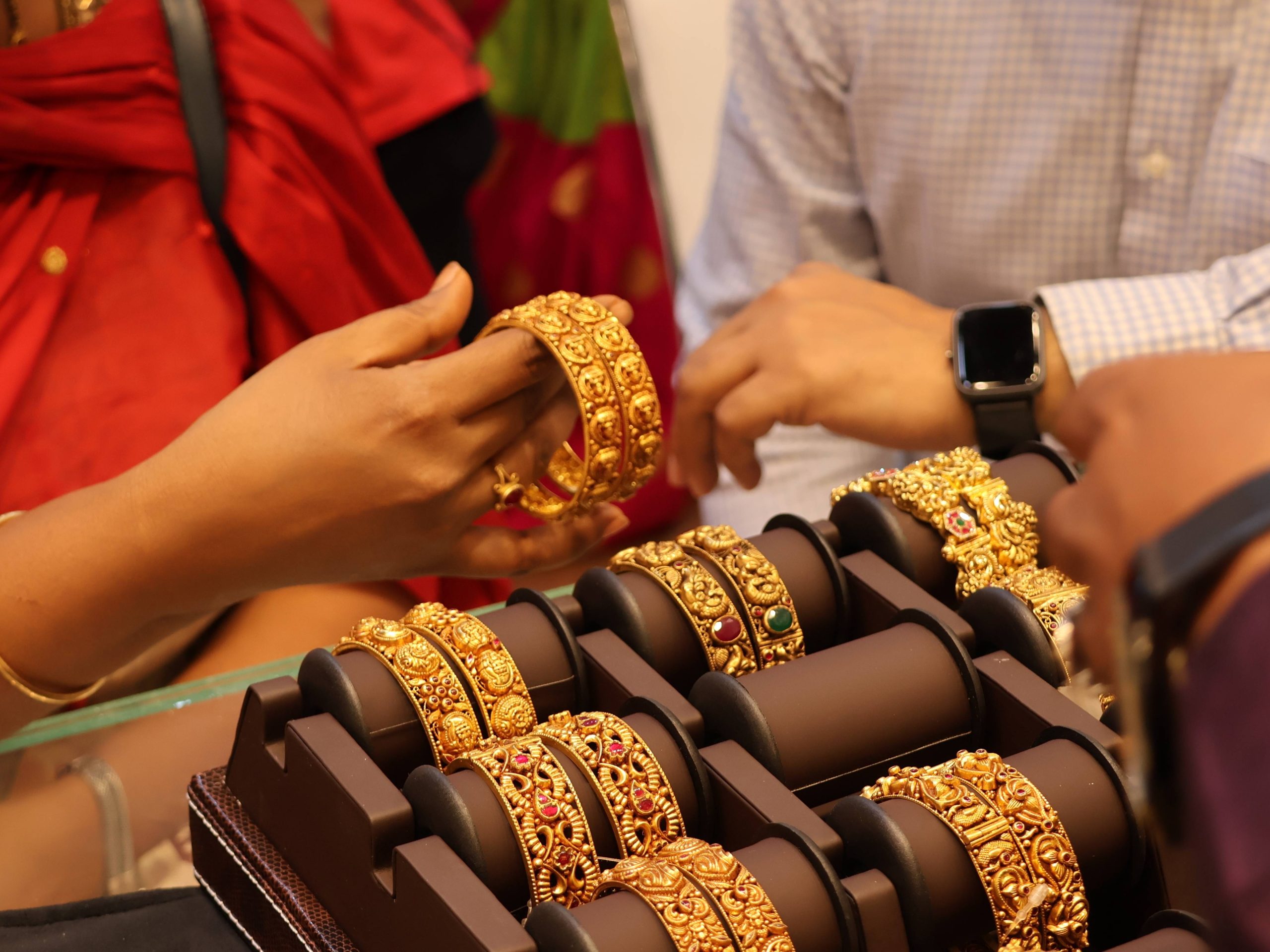
Over the same period, investment demand through bars, ETFs and other financial instruments has risen, climbing from 21% in 2021 to 38% in Q2 this year. That pattern suggests institutional investors, not households, are now driving gold’s momentum.
“Despite the ongoing rise in gold prices and its growing appeal, consumer demand for gold jewellery has shown a marked decline,” Hasn noted. “This comes at a time when gold prices are already at historically elevated levels, while personal financial conditions worldwide have deteriorated, limiting individuals’ ability to save for jewellery purchases.”

Unlike exchange-traded funds or sovereign gold bonds, which offer full transparency and high liquidity, jewellery trading remains opaque. Prices often depend on the discretion of the retailer, with limited oversight on purity or mark-ups.
Selling jewellery can therefore involve higher transaction costs and slower execution. ETFs and other listed vehicles, by contrast, allow investors to enter or exit positions almost instantly at market prices.
Long-term comfort versus short-term gains
That doesn’t mean jewellery has lost its function entirely. For some investors, especially in markets such as India and the Middle East, where gold is tied to cultural traditions, holding physical pieces offers comfort and long-term security. Hasn said, “If an individual wishes to hold gold for the very long term and has sufficient cash reserves to cover emergencies, they may feel more comfortable keeping jewellery pieces in a safe, avoiding the counterparty risks associated with financial instruments.”
Record prices change the equation
Yet the investment case is harder to make when prices are already stretched. The World Gold Council recently reported global gold demand hit 1,255 tonnes in the second quarter, its strongest since 2019, driven largely by ETF inflows and central bank purchases rather than jewellery buying. With rates expected to fall in the US and geopolitical tensions supporting safe-haven demand, the flow of funds into financial gold is likely to continue.
The rise of digital gold
Looking ahead, new products could reshape the debate. Gold-backed digital tokens, such as Pax Gold, are growing rapidly, offering fractional ownership with low costs and high liquidity. The token’s market capitalisation is approaching $1 billion, with retail investors holding more than a third of the circulation. Hasn said tokenised gold “combines elements of both jewellery and financial instruments,” allowing consumers to own gold in small amounts, something not feasible with high-purity jewellery.
Jewellery as legacy, not strategy
The implication for investors is clear. Jewellery still has cultural and emotional value, and it can serve as a long-term store of wealth. But for those looking at returns, liquidity and transparency, ETFs, bullion, or tokenised gold provide more apparent advantages.
“From a safe-haven perspective, gold is probably better,” Hasn explained, “but the combination of being historically cheap and in relatively tight supply should underpin prices and perhaps see silver do better over time.”
As gold trades near record levels, households are increasingly being priced out of the jewellery market, while institutional flows keep pushing financial products higher. For investors today, jewellery may serve more as a legacy asset than a trading vehicle, valuable to hold, but less efficient compared with modern investment options.