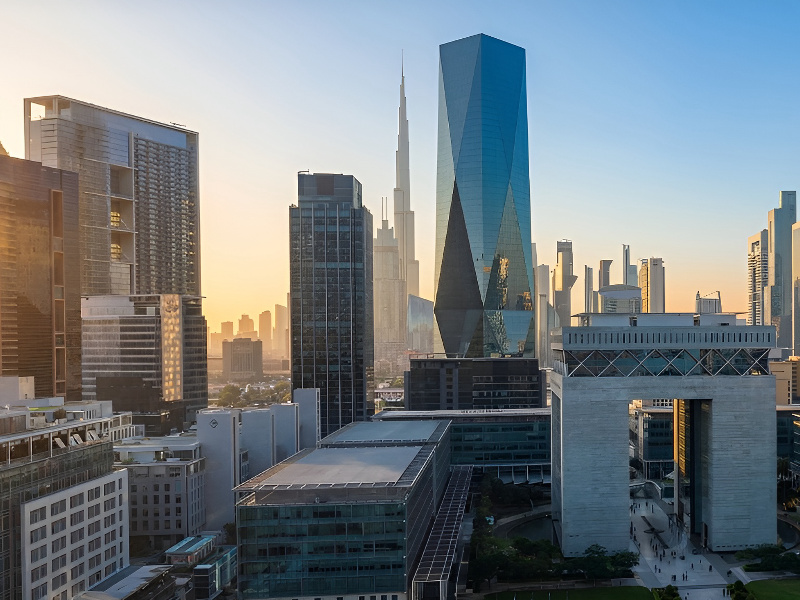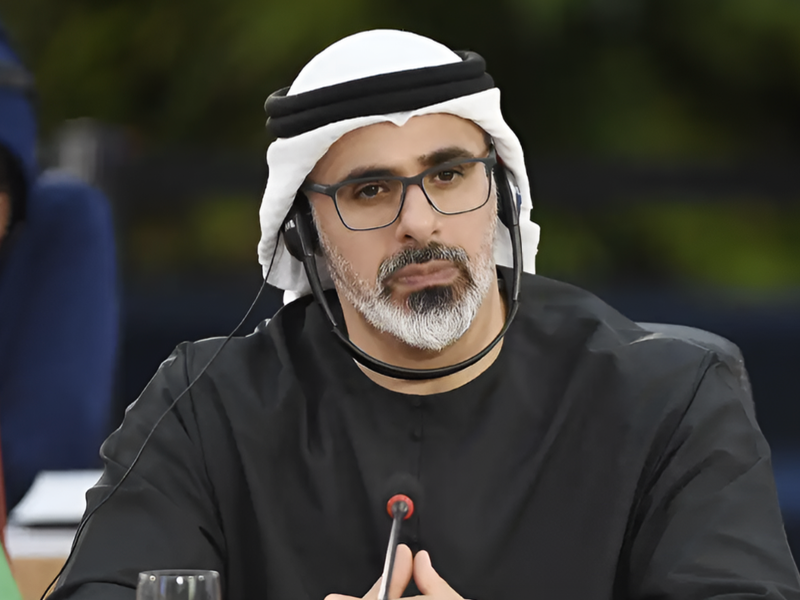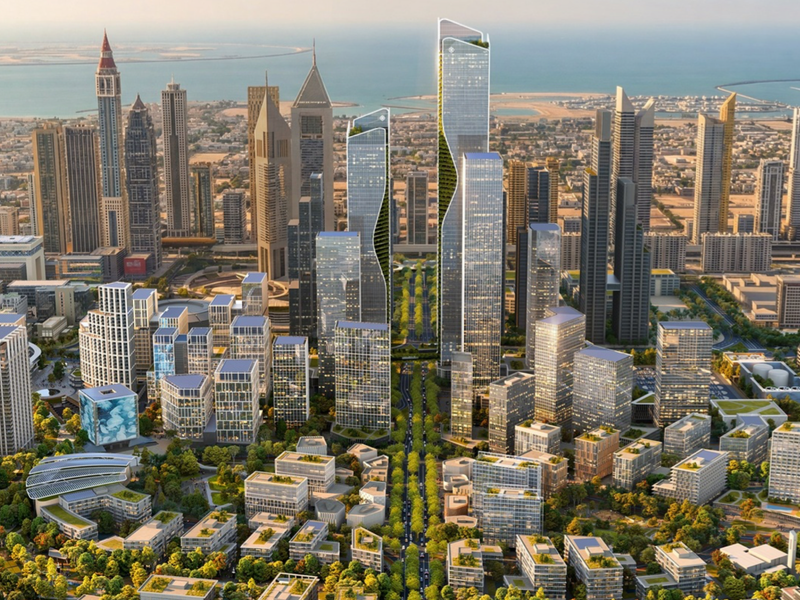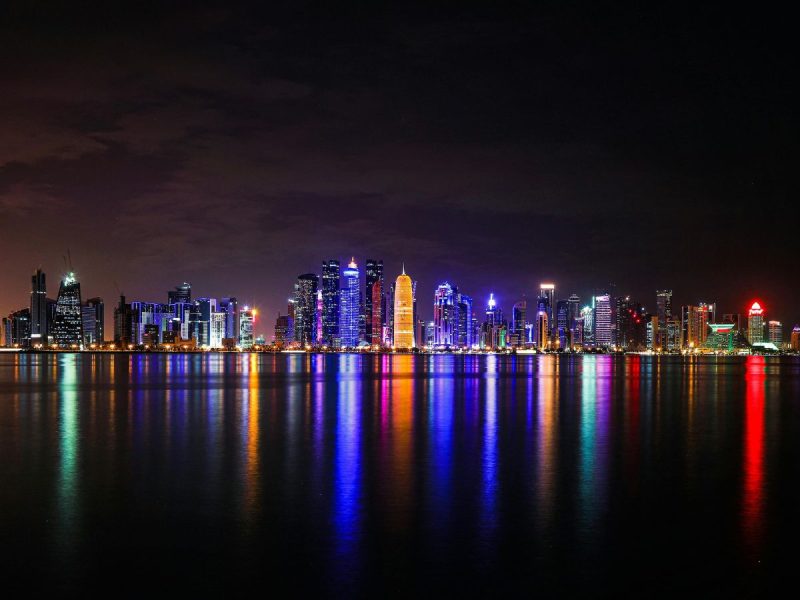
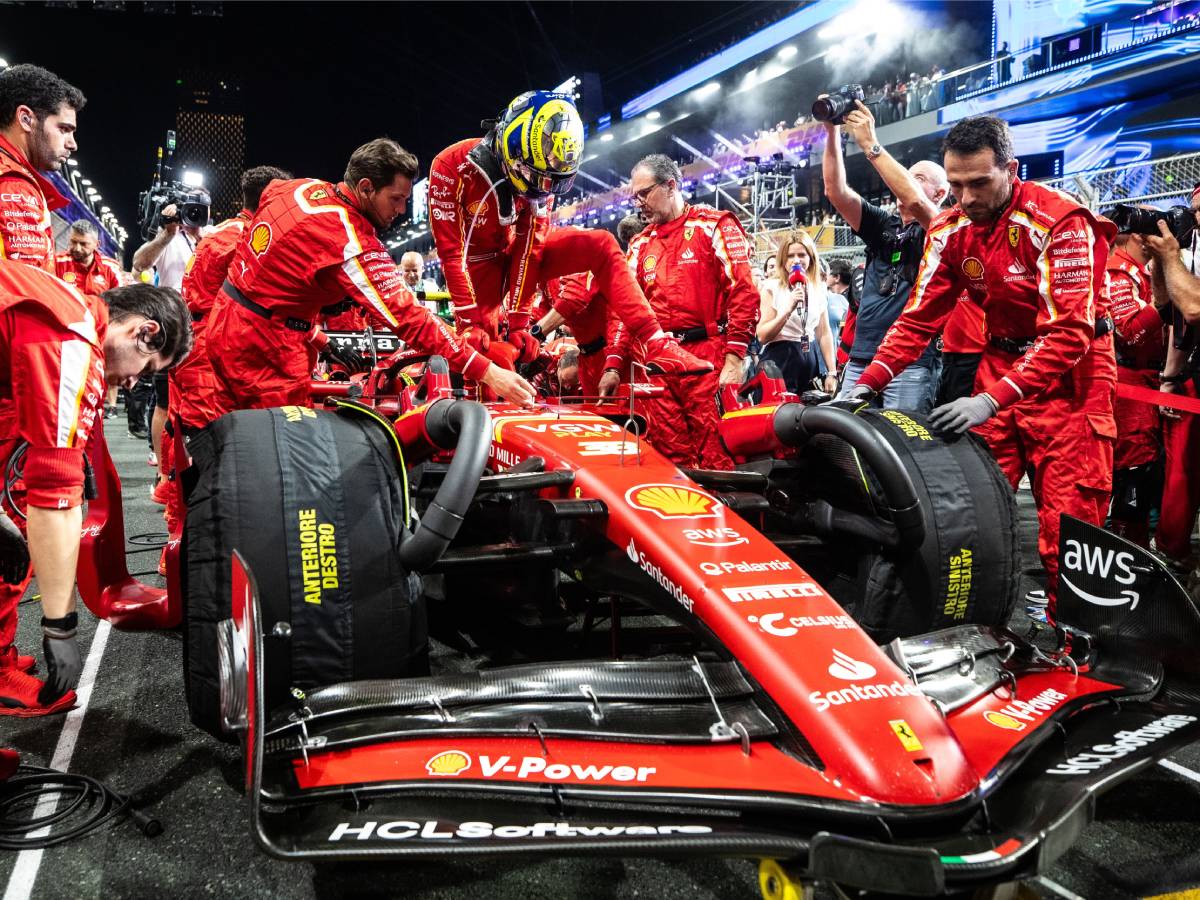
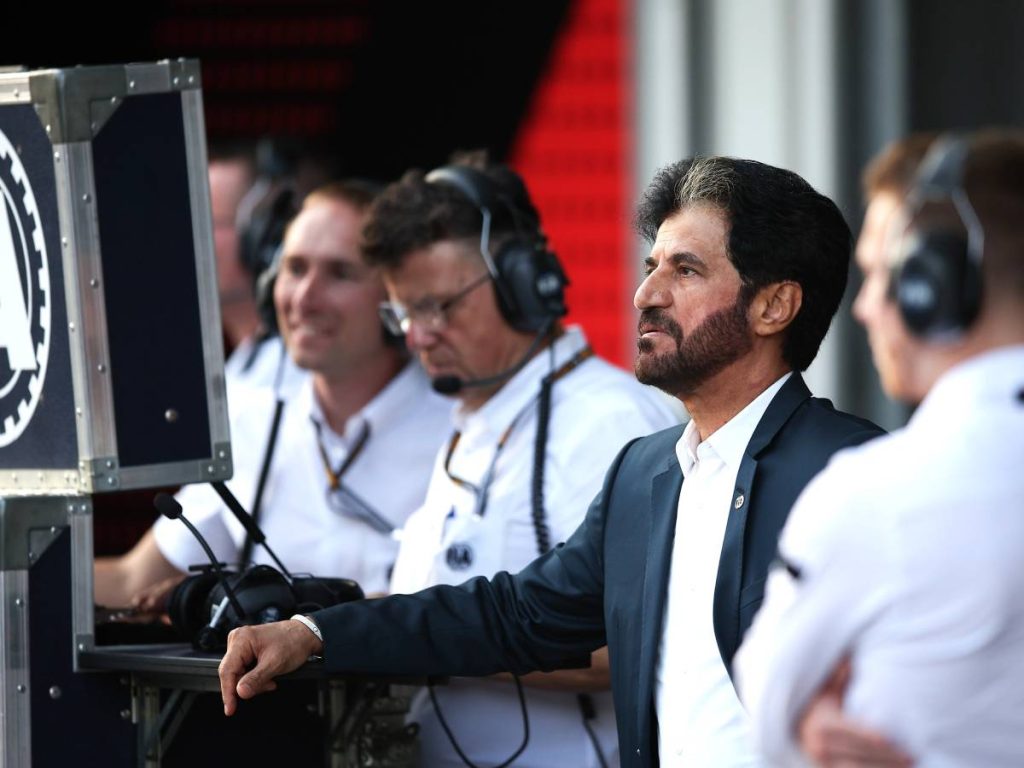
When the world tunes in to a Formula 1 Grand Prix, the spectacle of roaring engines, sold-out grandstands and celebrity glamour hides a deeper reality. For host countries, the event is not only about sport but about projecting global visibility, attracting foreign visitors and laying the groundwork for longer-term development. “A Formula 1 Grand Prix generates benefits across many sectors of the host country’s economy,” said Mohammed Ben Sulayem, President of the Fédération Internationale de l’Automobile (FIA). “While the immediate impact is strongest in hospitality and tourism, the wider economic value touches a much broader range of industries.”
The effect is evident in hospitality, aviation, retail and technology, but it extends further into cultural branding and national strategy. Increasingly, Formula 1 has become a tool for governments to position their cities on the international stage. As Ben Sulayem noted, “Hosting a Grand Prix also positions cities on the global stage. Each race is not a sporting event, but a showcase of our host’s culture, landscape and capabilities, creating long-term value in tourism, and inspiring others to visit.”
Hospitality, tourism and the first wave of impact
The clearest and most immediate benefit of Formula 1 is seen in tourism. Hotels fill to capacity, restaurants operate at peak demand and airlines schedule extra flights to accommodate race-week traffic. Independent studies have quantified this effect. Research by the China Europe International Business School (CEIBS) showed that countries hosting Formula 1 events experience an average rise in tourism demand of around 6%. Street races in particular outperform permanent circuits, generating an estimated 8.6% rise in visitors compared with 5.5% for traditional track venues.
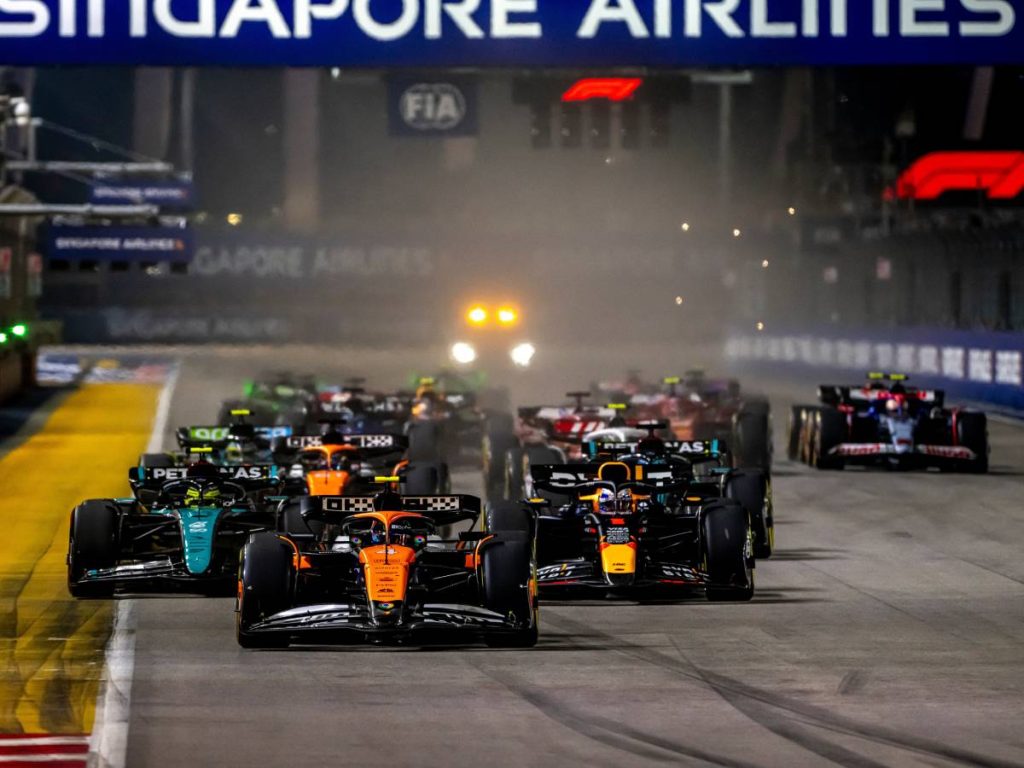
Singapore provides one of the best examples. Since its inaugural night race, the city-state has welcomed more than 450,000 international visitors linked to the Grand Prix, with tourism receipts reaching approximately $1.4 billion. The event has become one of the country’s strongest tourism magnets, combining sport, music and cultural programming in a tightly choreographed package. Mexico City offers another illustration. During race weekends, hotel occupancy climbs sharply, particularly in higher-end properties and visitors spend an average of GBP 1,600 each on top of ticket costs.
Ben Sulayem stressed that the spending pattern stretches beyond the luxury hotels and airline tickets. “Retail and local services also see a significant boost, particularly around the circuit and in city centres,” he said. In other words, local shops, taxi operators and small businesses often benefit just as much as global chains.
Large-scale economic impacts
While hotel bookings and ticket sales provide visible signs of success, the broader financial contribution is often much larger. In 2023, the Las Vegas Grand Prix generated an estimated $1.5 billion in economic activity, an extraordinary figure for a first-time event. Combined with Miami and Austin, the three US races delivered more than $3 billion in economic impact, underlining the appetite for F1 in new markets and the value it creates for host cities.
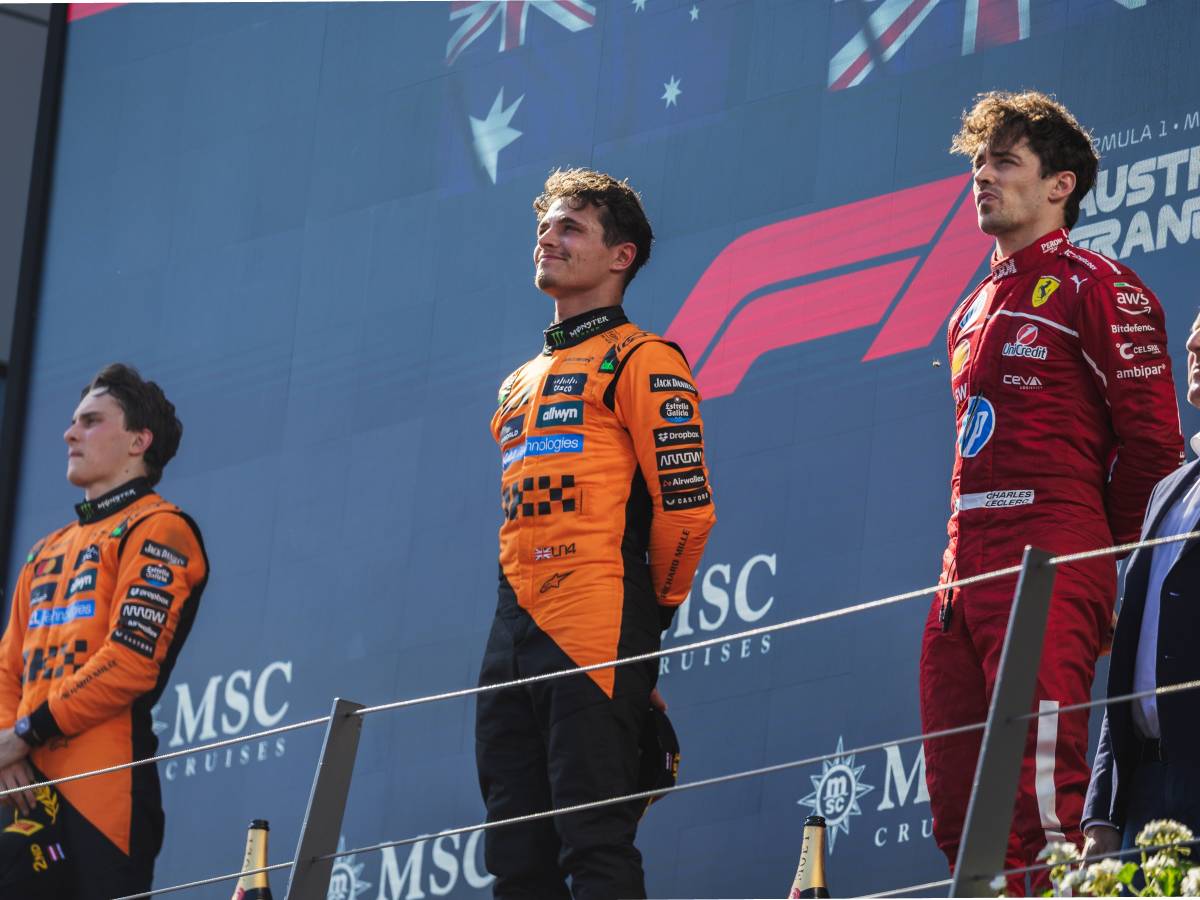
The Australian Grand Prix in Melbourne offers a more established case study. The 2023 event added around AUD 268 million to the Victorian economy, of which AUD 144 million came directly from visitor expenditure. It also supported more than 1,100 full-time equivalent jobs, providing evidence that even in long-standing venues, the Grand Prix continues to inject measurable growth into local economies.
These numbers are consistent with the FIA’s view that Formula 1 has evolved into a cross-sectoral platform. “International motorsport events open a window for the world to contemplate all of what the host is about,” Ben Sulayem explained. “It showcases not only what is directly related to organising a large-scale competition, including planning, logistics and expertise, but also the cultural heritage that the host brings to that event.”
Infrastructure, innovation and national branding
The returns of hosting are not confined to a single weekend. To stage a Grand Prix, countries often invest heavily in infrastructure, both sporting and civic. New circuits must be homologated to meet strict FIA standards, with attention to safety, accessibility and spectator capacity. But alongside circuit construction, governments use the event as a lever to upgrade airports, improve public transport and stimulate investment in hotels and leisure facilities.
Abu Dhabi’s Yas Marina Circuit demonstrates this long-term effect. Built as part of a wider plan to transform Yas Island into a tourism and lifestyle hub, the Grand Prix became the anchor around which hotels, retail complexes and entertainment attractions grew. The race has consistently showcased Abu Dhabi’s image as a luxury destination, with the marina, skyline and cultural assets broadcast to hundreds of millions of households around the world.
Technology and sustainability are becoming part of the equation. “Formula 1 requires significant investment in circuits and facilities. The FIA accompanies the hosts in many such dimensions to prepare and deliver these events,” Ben Sulayem noted. This includes evolving regulations, safety processes and sustainability practices. With F1 committed to achieving net-zero carbon by 2030, host countries are expected to integrate renewable energy, smarter mobility solutions and green logistics into their bids. The result is that the Grand Prix acts not only as a sporting showcase but as a demonstration of technological ambition and environmental responsibility.
The FIA’s approach to host readiness
Selecting a host is not simply a matter of financial resources. The FIA evaluates whether the country is able to deliver an event that is both commercially viable and strategically aligned with national goals. “Firstly, there must be a strong local commitment to invest, not just in the race circuit, but in the infrastructure and services that are also vital to make the event successful,” said Ben Sulayem.
He emphasised that the FIA also considers broader societal contributions. “We also consider factors that will contribute to the democratisation of motorsport and promote a wider inclusion in its ecosystem. The commitments taken by a potential host in developing, not only the top of the sport but also the grass roots elements of it, play an important role in this host evaluation.”
A sustainable business model is central. Governments and private partners need to demonstrate how the race will create lasting jobs, stimulate investment and align with wider development strategies. As Ben Sulayem noted, “A strong host is one that integrates Formula 1 into its broader national strategy, underpinned by motorsport and leverages it to drive tourism, sustainability or technological innovation.”
Risks and managing expectations
Despite the optimism, hosting a Grand Prix carries risks. Infrastructure costs are high, and in some cases, governments have questioned whether subsidies are justified. Academic research has suggested that while short-term boosts are clear, long-term GDP growth is not always guaranteed. Some European regions have even recorded negative impacts several years after hosting, often because initial investments did not translate into ongoing visitor demand.
The FIA acknowledges these concerns and works with hosts to mitigate them. By sharing best practices, training local officials and providing technical guidance, the organisation helps countries build capacity to deliver cost-effective events. “From homologation programmes for circuits, cars and security procedures, to training programmes for officials, marshals and stewards, the FIA works continuously with its members to share knowledge, establish consistent processes and ensure the fairest playing fields,” Ben Sulayem explained.
The balance, then, is in ensuring that the race is embedded into a long-term economic and cultural strategy rather than treated as a one-off spectacle.
Case studies of success
Singapore, Melbourne and Las Vegas all highlight different aspects of the F1 economic story. In Singapore, the integration of the race with tourism and entertainment has made it a flagship event in Asia. Melbourne demonstrates the durability of F1 as an annual tourism anchor, generating hundreds of millions of dollars and supporting jobs year after year. Las Vegas shows the potential of new markets: its first event produced a $1.5 billion impact, immediately ranking it among the largest sporting events in American history.
Each case reinforces Ben Sulayem’s assertion that motorsport has become a vehicle for national branding. “The legacy is seen not only in the immediate impact, but also in the strengthened international profile it builds,” he said.
Looking towards the next decade
As Formula 1 expands into new regions, from the Middle East to Asia and potentially Africa, the question is how its economic impact will evolve. Ben Sulayem is clear on the trajectory. “Through our combined efforts with FOM and our global stakeholders, we are always working towards creating an economic contribution that will continue to grow over the next decade, as the sport reaches new audiences and markets.”
He believes the benefits will go beyond event-based tourism. “F1, and motorsport in general, is a growing platform for innovation in areas like mobility, sustainability and new technology, which means the benefits will extend well beyond the short-term spending.” The global visibility of the FIA Formula 1 World Championship, with its hundreds of millions of viewers, reinforces the brand of host nations, attracting investment, talent and long-term tourism.
Formula 1 has become more than a sporting contest, it is an instrument of economic policy, tourism development and global branding. For host cities, the weekend of racing is both an immediate financial boost and an opportunity to showcase their culture and capabilities to the world. The figures, billions of dollars in economic impact, hundreds of thousands of visitors and thousands of jobs, underline the scale.
For Ben Sulayem, the values of the sport remain the guiding thread. “Ultimately, F1 in particular, and motorsport in general, carry and showcase particular positive values and inspire generations around themes like performance, excellence, commitment, precision and dedication, amongst others.” In that sense, hosting a Grand Prix is more than a business or sport, but about ambition, about placing a city firmly on the global map, with benefits that echo long after the chequered flag has waved.