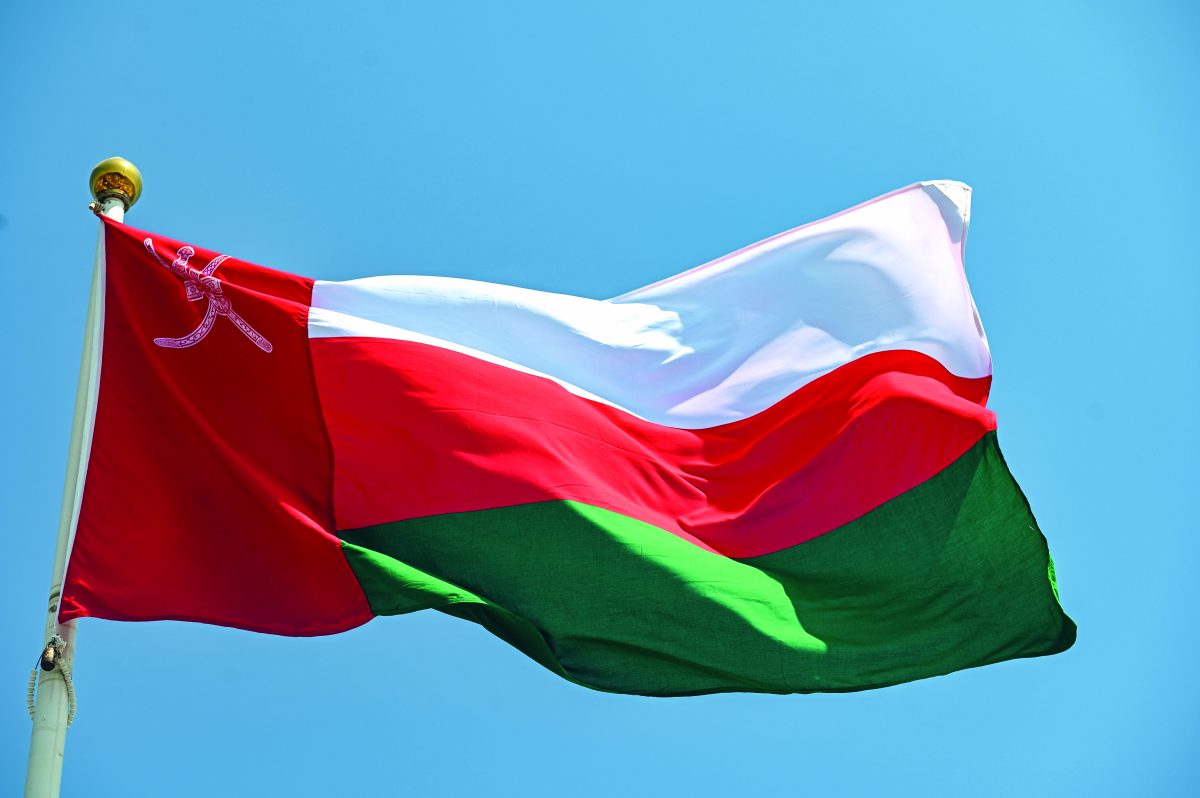

Oman’s 2026 General State Budget reflects continued fiscal consolidation alongside growth-oriented spending.
Total expenditure is projected at OMR11.98 billion, a 1.5 percent increase year-on-year, while revenues are estimated at OMR11.45 billion, based on a conservative oil price assumption of $60 per barrel.
Macroeconomic Outlook
The budget deficit is forecast at OMR530 million, down 14.5 percent from 2025 and equivalent to 1.3 percent of GDP, underscoring improved fiscal balance.
The budget was announced in parallel with the Eleventh Five-Year Development Plan (2026–2030), under which the government is targeting economic growth of approximately 4 percent.
Investment Climate
Real GDP is expected to reach OMR39.2 billion by end-2025, representing 14 percent growth since 2021. Inflation remains well anchored at 0.9 percent through November 2025, supporting macroeconomic stability.
Foreign direct investment reached OMR30.3 billion by the third quarter of 2025, up 71 percent compared with 2021, highlighting improving investor confidence.
State-backed investment activity remains robust, with the Oman Investment Authority’s assets rising to OMR21 billion.
The Future Fund Oman approved investments totalling OMR462 million, including OMR104 million directed toward start-ups and small and medium-sized enterprises.
Capital Allocation Priorities
Additional oil-related revenues of OMR11.29 billion generated during the Tenth Five-Year Plan were deployed across social and economic spending while accelerating public debt reduction.
In 2026, capital allocation continues to prioritise sectors with long-term productivity gains and private-sector participation noticeably education, healthcare, transport infrastructure, and housing.
Stay Up to Date with the Latest Updates at Finance ME!
From Tech Concentration to Infrastructure Hedge Funds: J.P. Morgan’s 2026 Outlook for GCC Investors
Bank of Palestine Gets Green Light From ADGM Abu Dhabi
Silah Gulf Launches IPO to Raise $7.7 Million, Targets Regional Expansion