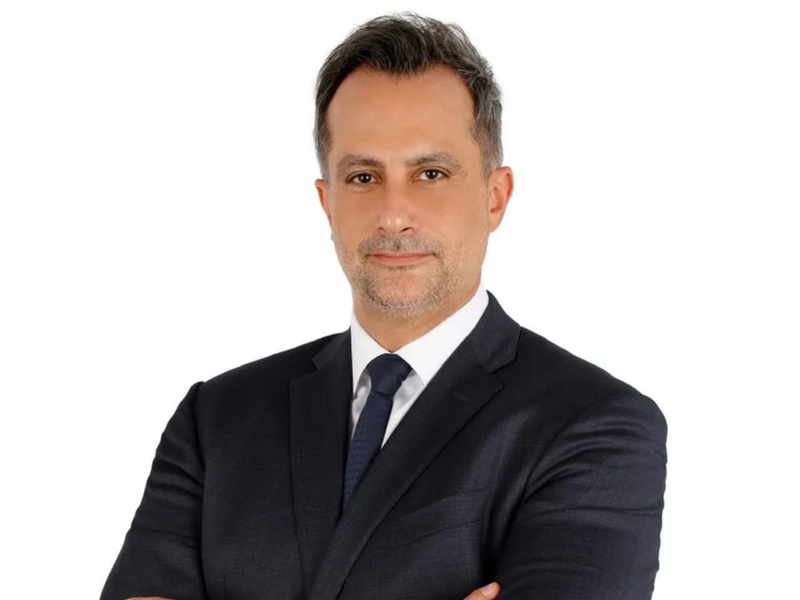
Angus Anderson: I’m joined by a special guest, Imad Al-Abdulqader, partner at the Albright Stonebridge Group based in Riyadh. Thank you for joining me, Imad.
Imad Al-Abdulqader: Well, thank you, Angus. I’m very pleased to be with you.
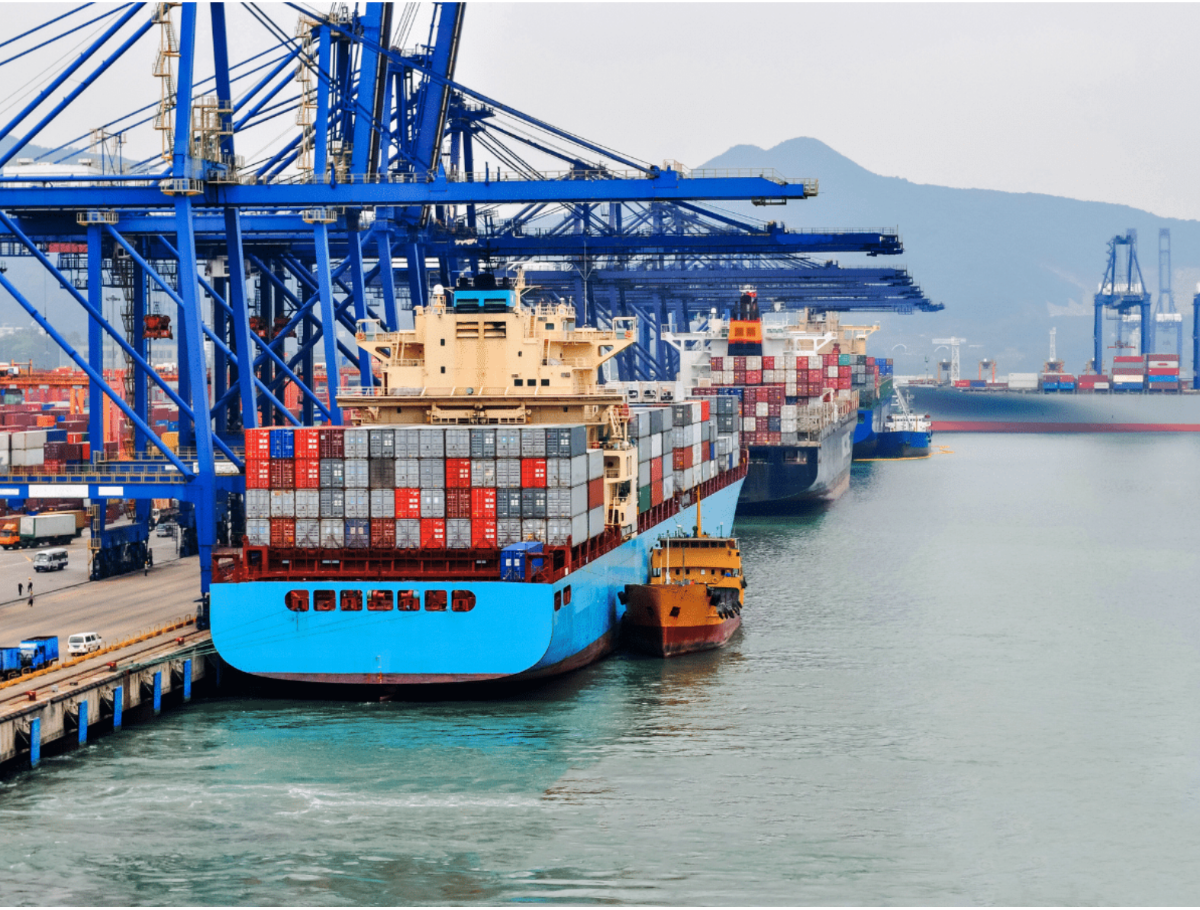
Angus Anderson: We see the geopolitical disruptions not just in the straight of Hormuz, but in the global economy.
Saudi Arabia has long been pushing for localisation, as have many other GCC states, but now it seems that localisation is a lot more important. As a net capital exporter, how are these disruptions accelerating the kingdom’s push for localisation?
Localisation in Focus
Imad Al-Abdulqader: I’m happy that you mentioned that this is affecting investors everywhere in the world. This is a global complication that will make investors in many sectors and many geographies rethink their strategy.
The determination for Saudi Arabia to first of all reduce the dependence on oil and diversify the economy, increase localisation and create more economic activity within the kingdom will only be heightened.
Saudi Arabia may need to adapt to the short-term sentiment of investors around the world for this major conflict, but this is unsurprising given that the tensions in the region have been going on for decades and the idea that the Strait of Hormuz is disrupted as a major choke point is one of the scenarios that investors have been keeping in mind for decades.
No Change in Fundamentals
I don’t think anything has changed on the fundamentals. Dealing with foreign investor appetite is something that needs to be taken into consideration.
But I can only see a stronger push towards diversifying the economy, increasing localisation, using government procurement as leverage to push towards more localisation… both locally and in foreign markets strategically to help accelerate this journey towards an economy that depends less on oil.
The Future of IMEC
Angus Anderson: You spoke about the fundamentals in the kingdom remaining the same, obviously Saudi Arabia and its GCC partners have long pushed for the India, Middle East, Europe economic corridor, which arguably would help in times like this where choke points are cut off like the Strait of Hormuz.
Do you think that this situation we see in the Gulf and Iran right now will accelerate that push for overland transportation and the export of oil from the western half of Saudi, specifically the port of Yanbu?
Imad Al-Abdulqader: Well, it will certainly increase the desire to increase Saudi Arabia’s connectivity with the rest of the world, being a global logistics hub that connects the world is a very clear objective of Saudi Arabia and these disruptions to shipping will only increase that motivation.
It will depend on how long it’s going to take that is going to a little bit more difficult to guess given the geopolitics given what the new reality on the ground is going to look like at the end of all of this. So it may take time it may go faster but the determination will be there.
New Ventures, New Verticals: Aramco and Ma’aden
Angus Anderson: In terms of diversification, obviously we’ve seen the leading Saudi national champion, Saudi Aramco, collaborate with Ma’adan on developing the mining sector in the kingdom.
We also see the push for diversification especially in mining in other GCC states, such as Oman. How do you see Aramco shaping this broader diversification strategy post-war and what can foreign investors gain from investing in the kingdom?
Imad Al-Abdulqader: Well, it is one of the major strategic players in Saudi Arabia. It’s one of the national champions that is that has a very strong impact. It is going through its own shift from it used to be an oil company and now it sees itself as an energy company and will see itself doing even more as it diversifies its own uh investments.
Whether it’s Aramco, whether it’s Ma’aden and whether it’s any of the other national champions in the country, they will seek to do more towards accelerating achievement of further diversification of the economy, broadening the base by investing both upstream and downstream of their energy verticals and also finding adjacent opportunities.
Aramco’s Diversification in Motion
Imad Al-Abdulqader: Aramco has already started its operations in King Salman Energy Park (SPARK), which is a major industrial base in the eastern region.
Aramco will continue to play a vital role in the kingdom. As the economy diversifies, as the economy expands, this will continue to evolve. But it will seek partnerships with international investors and local investors, which will expand its activities generally.
How this specific incident is going to affect what it does is going to be hard to tell. I think very few people I know believe that there is a shift in fundamentals or shift in strategic direction because of what is going on.
Of course there will be short-term uncertainty and the world will be watching to see what the situation is going to look like in a few weeks, a few months, a few years. This is not something new. This is something that has been going on over the decade throughout my lifetime.
I’ve seen how the region has adapted to major geopolitical influences. Aramco’s role will continue to evolve.
Saudi Equity Markets
Angus Anderson: On that point, obviously we’ve seen stock markets be hit across the GCC, but the Tadawul is actually doing quite since the onset of the crisis. Why do you think Saudi Arabia, compared to other GCC states, is not being affected to the same degree as the UAE right now and other countries?
On that, do you think the sustained price of oil despite being volatile is going to have any material impact in the kingdom and shape the direction to come in the coming years, depending on how long this crisis goes on for?
Imad Al-Abdulqader: I like to think that this situation that we are in is a temporary one, that it will not last and that the the world will go back to a situation where the stability of oil prices is an objective of the OPEC and other countries that want to see the world continue to receive its energy supplies that allows a balance between investments in oil infrastructure and the needs of energy consumers without hyperinflation in different parts of the world.
I think is what I am at least hoping for. The increase in revenue because of an increase in price of oil is probably largely offset by the need to deal with the consequences of this crisis.
I am hopeful that we will go back to a stable situation post the high intensity part of this conflict, but the stock market I think has reacted in a way that reflects confidence in the long term despite the short term.
Saudi Arabia, I think has up to this point and I hope this continues succeeded to be in a position itself, not a direct part of the conflict and is thinking about how does life continue post-conflict and I think that has been recognised by all sides to this conflict and I see that Iran has targeted American interests in Saudi Arabia but not as much as it has for other GCC countries.
IPO at War
Imad Al-Abdulqader: The situation is volatile. It will continue to change difficult to predict what the next moves will be but uh I think the stock uh price reflects this confidence in the long term.
Angus Anderson: Yeah. And you spoke about the strength of Saudis fundamentals. We saw this week the first IPO of this year in the kingdom. Do you expect a sustained pipeline of firms going public this year? And if so, which sectors are should we look out for?
Imad Al-Abdulqader: Well, I think um many companies are in the pipeline already and have already prepared themselves to list you know barring a major turning point in the conflict.
I do think that those who are ready will proceed the timing may be adjusted a little bit maybe a little bit of delays because it’s difficult to compete with all the news that’s coming from this situation but I do expect that those who have planned to list will most likely proceed. Of course the market will adjust; the market will take into account the conflict, but investors will be able to see through the short-term disruption.
Angus Anderson: thank you Imad for joining me from Riyadh. It’s been a pleasure to speak with you Imad.
Imad Al-Abdulqader: Thank you, Angus. Pleasure to be with you.
Stay Up to Date with the Latest Updates at Finance ME
IPO at War: First KSA IPO Gains $67M
Stability Over Flight: UAE Family Offices Hold Firm
Iranian Threats Prompt Banks to Issue Work from Home Orders Across Gulf Hubs