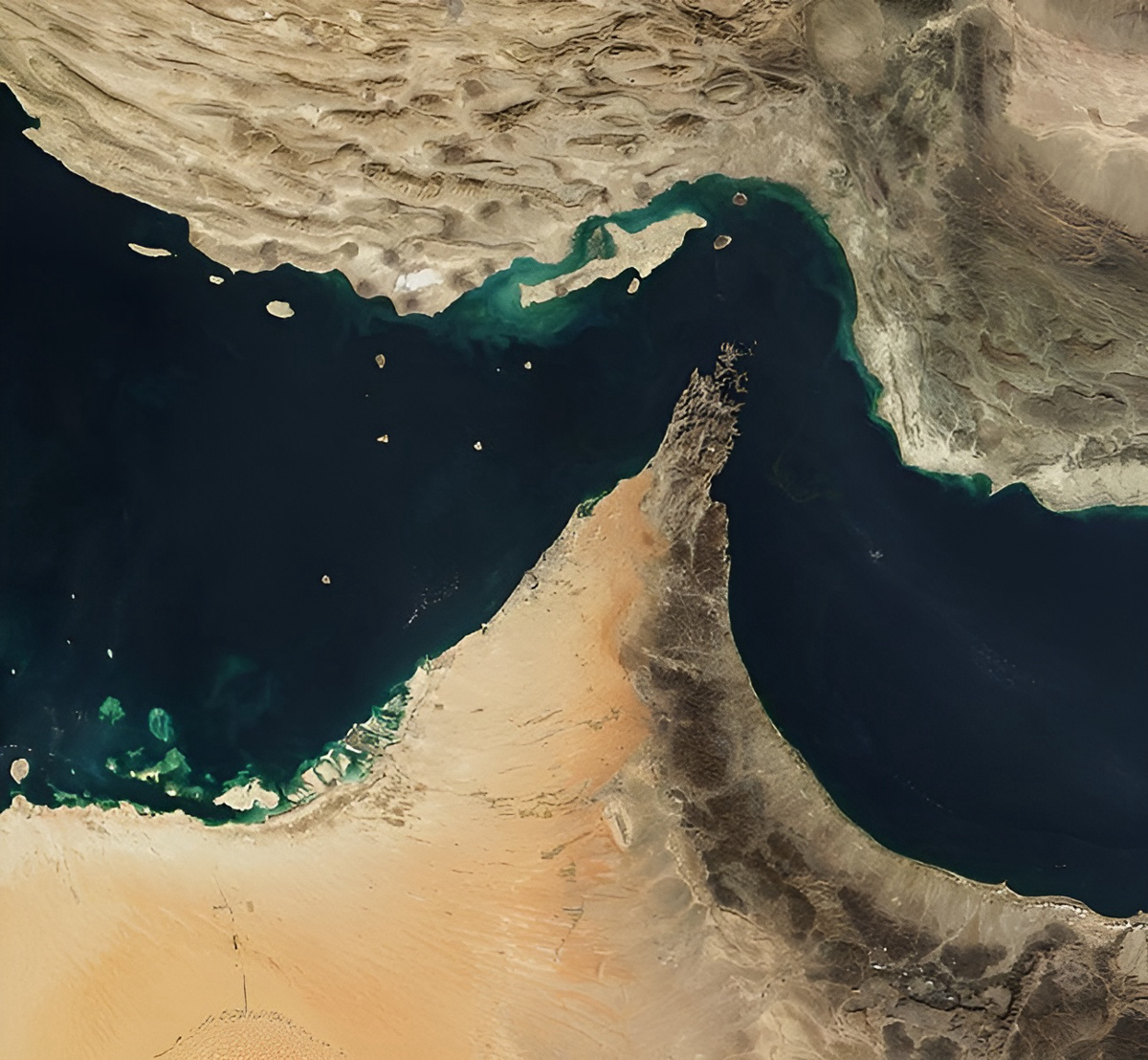
The closure of the Strait of Hormuz isn’t just an energy crisis, but a crisis for businesses and consumers across the global economy.
Energy is the number one input for the production and transportation of goods and services, proving to be a critical consideration for day-to-day business operations.
Europe: LNG Dependence
Europe started the phasing out of Russian LNG, opting for other sources of LNG following the war in Ukraine (2022).
The EU now imports 10% of LNG supplies from Qatar, equivalent to 5% of all fossil gas imports, yet this figure is considerably higher for Italy (36%, 2025) and Belgium (24%, 2025).
In turn, cost-push inflation for Italian and Belgian firms is an immediate concern for European states, where annual economic growth remains limited. Italian budget watchdog, UPB, forecasts a GDP growth target of just 0.7% (2026) and 0.8% (2027).
Asian Markets
Stagflation may affect European firms, yet Asian markets are more dependent on GCC LNG: specifically, Bangladesh, Pakistan, South Korea, Singapore, and Taiwan. South Korea (via KOGAS), Taiwan (via CPC), and Singapore (via Shell after Pavilion Energy acquisition) rely on Qatari LNG for up to 35% of their total gas supply.
Yet Singapore generates 90% of its electricity from natural gas, exposing businesses and consumers to cost-push inflation without any ability to substitute gas for coal or source alternative supplies like India with Russian LNG.
Whilst the oil market is holding, citing strong supply and strategic stockpiling, the LNG market is feeling the pinch. India has opted to resume sourcing supplies from Russia, however South (-east) Asian economies – typically aligned with the U.S. – face cost-push inflation and the real impact of energy volatility deterring investment in manufacturing and tech: sectors East Asia specialise in.
Three Market Scenarios
However, the real impact of this conflict across the global economy depends on three scenarios according to Razan Hilal at FOREX.com: a global trading platform licensed by the Cayman Islands Monetary Authority.
Each scenario and probability is based on internal market data.
Rapid de-escalation (low probability)
“The first scenario is of low probability and low risk.
Naval escorts become operational by late March, followed by a ceasefire framework in Q2 that restores tanker confidence. Oil retraces below the June 2025 highs toward $75, allowing the geopolitical risk premium to unwind.
However, this remains unlikely given Iran’s clear stance on keeping the Strait closed and the absence of a credible resolution path.
Prolonged disruption, partial bypass (base case)
The second scenario offers a base case, with medium risk.
The Strait remains effectively closed through the first half of 2026. Pipeline alternatives from Saudi Arabia and the UAE, along with IEA reserve releases, provide only limited relief — with 400M barrels covering roughly 20 days of normal flows.
Oil stabilises in the $90–$110 range, keeping inflation elevated and weighing on global growth. Asia remains the most exposed, with India and China potentially reverting to Russian crude. The full inflation impact, particularly through petrochemicals and food supply chains, is still 4–8 weeks away, suggesting further pressure ahead.
Full escalation with infrastructure disruption (increasing risk)
In the worst-case scenario, the war could escalate with disruption to supply side capital. If the conflict expands, effectively removing all bypass options and triggering a severe supply shock, oil could sustain a move above $115: opening the path toward $130 and $150.
In this environment, central banks face a stagflationary dilemma, possibly supporting the U.S. dollar against global currencies as markets were initially expecting rate cuts, while recession risks rise sharply. Physical markets are already signalling stress, with Dubai crude trading at a significant premium, near $38 to futures, suggesting current pricing may still underestimate the scale of disruption.”
Stay Up to Date with the Latest Updates at Finance ME
IPO at War: First KSA IPO Gains $67M
Stability Over Flight: UAE Family Offices Hold Firm
Iranian Threats Prompt Banks to Issue Work from Home Orders Across Gulf Hubs