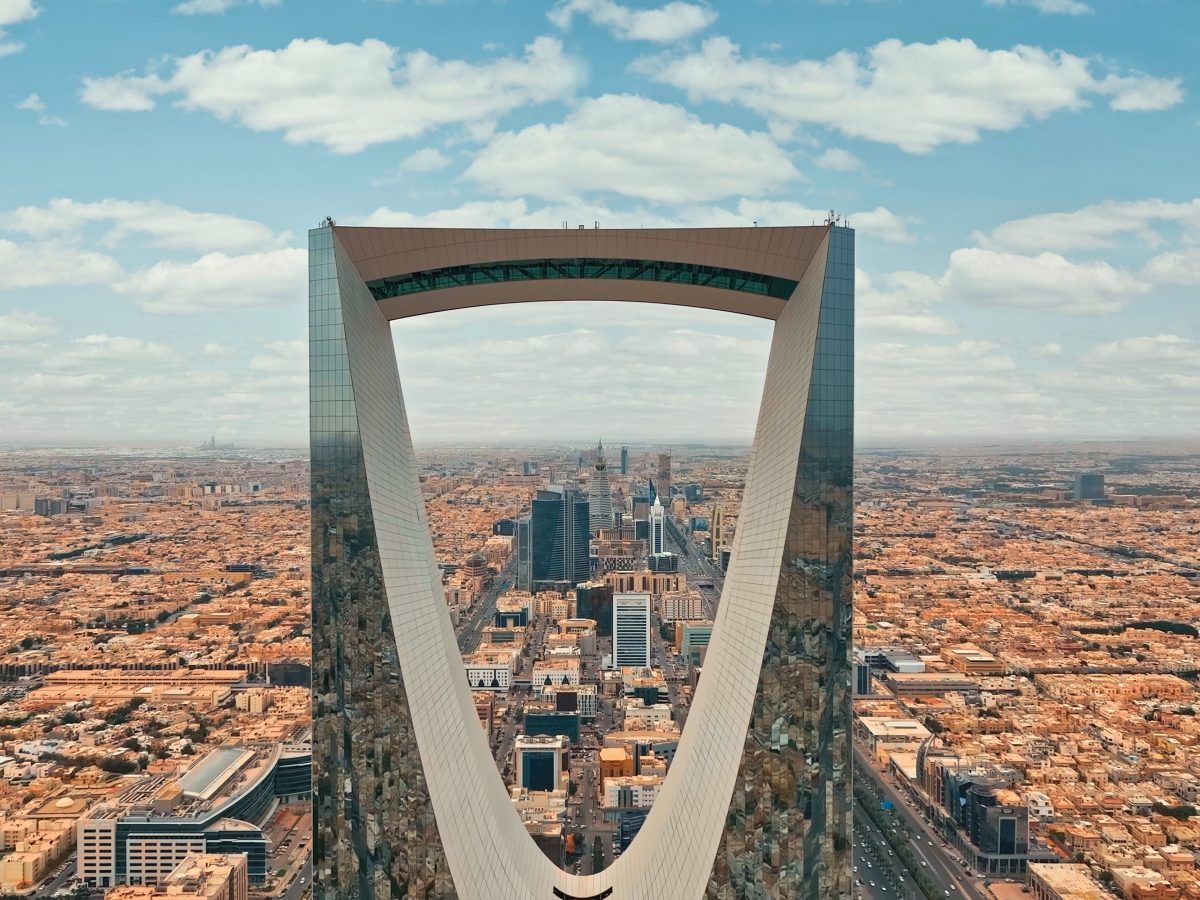
Saudi Arabia approved its budget for the fiscal year 2024 on Wednesday, forecasting total expenditures of SR1,251 billion and total revenues of SR1,172 billion. These projections indicate a deficit of SR79 billion, approximately 1.9% of the GDP.
The Minister of Finance highlighted the government’s intent to bolster strategic spending in the FY 2024 budget, primarily towards capital projects that align with approved national strategies, priorities, and the objectives of Saudi Vision 2030. Additionally, the government reaffirmed its dedication to executing programs and projects that yield economic and social benefits while facilitating economic diversification. Initiatives to fortify the private sector through an enhanced business environment, aiming for consistent economic growth, were also emphasised.
His Royal Highness Prince Mohammed bin Salman bin Abdulaziz Al Saud, Crown Prince, Prime Minister, and Chairman of the Council of Economic and Development Affairs, emphasised the continuous efforts to enhance the Kingdom’s public financial performance.
“Increasing financial capacity and building government reserves in a way that enhances the capacity of the Kingdom’s economy, maintains sustainable levels of public debt, and enables it to address any developments or crises that may arise in the future,” he said as reported by Saudi Press Agency.
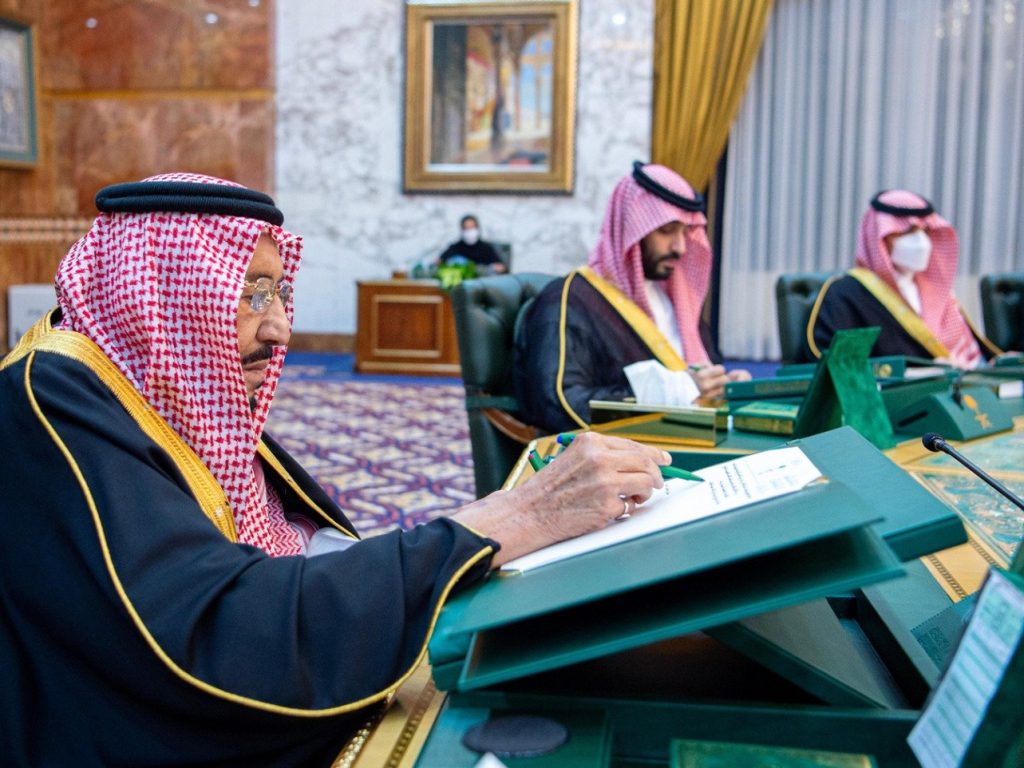
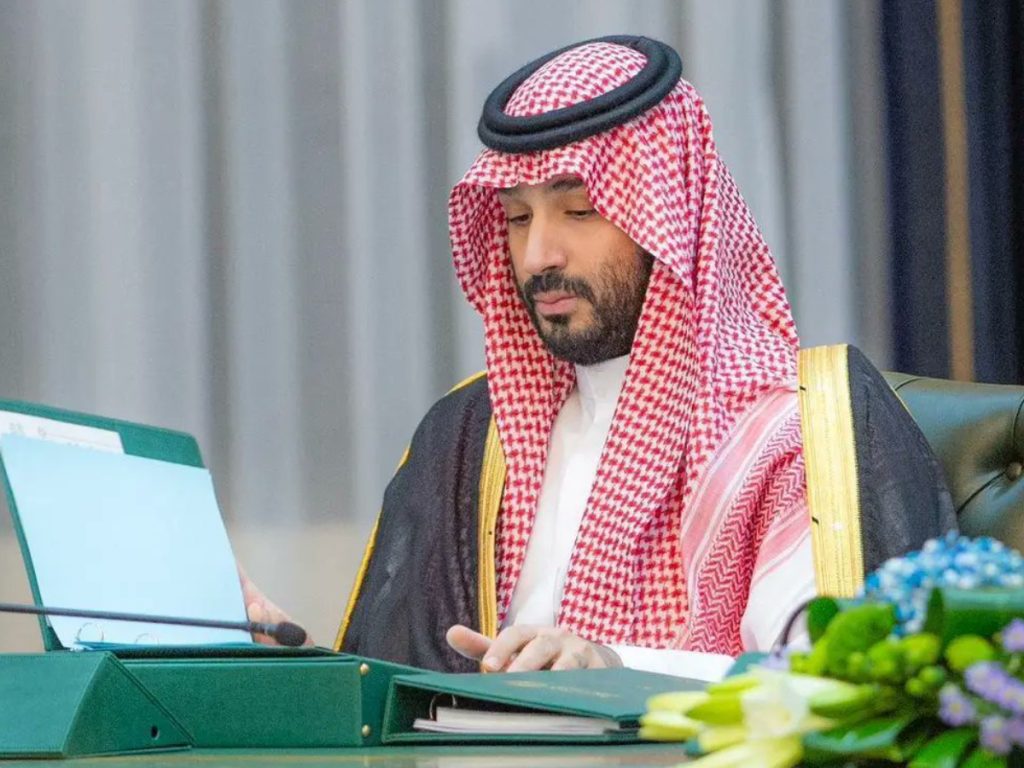
“The increase in spending is mainly due to the government’s keenness to continue developing the level of public services provided to citizens, residents and visitors, implementing several projects and expanding spending on sectoral and regional development strategies that would achieve positive structural changes that lead to expanding and diversifying the economic base, said HRH the Crown Prince.
Fiscal operations
To meet the financing needs, the government will persist in domestic and international fiscal operations to cover the projected 2024 deficit and repay debts maturing in 2024 and the medium term. Moreover, leveraging available market opportunities to secure additional financing for future debt obligations was mentioned.
The government plans to capitalise on market opportunities for alternative fiscal operations that promote economic growth, such as financing development and infrastructure projects. Anticipations suggest that the public debt balance will reach SR1,103 billion (25.9% of GDP) by 2024, up from SR1,024 billion (24.8% of GDP) in 2023, indicating a 1.1% year-on-year increase.
“Despite the ongoing state of uncertainty, global inflation rates are declining at a faster pace than expected, which will improve global economic performance, stimulate investment markets, and maintain low unemployment rates, resulting in a positive impact on the kingdom’s economy,” Minister of Finance, Mohammed bin Abdullah Al Jadaan said.
Al Jadaan also highlighted preliminary forecasts for FY 2023, indicating a 4.9% growth in non-oil activities. The Minister emphasised the Kingdom’s efforts to improve the labour market, resulting in the creation of approximately 1.122 million new jobs by the private sector in the Saudi economy by the end of the third quarter of 2023, leading to a decline in unemployment among Saudi citizens to 8.3%.
The Minister noted that this decrease reflects sustained and accelerated growth in the private sector since the launch of Saudi Vision 2030. Efforts to support small- and medium-sized enterprises through strategic plans and initiatives have proven successful, with over 2.3 million citizens employed in the sector, a record high. Additionally, women’s participation in the labour market has surpassed the Saudi Vision 2030 target, reaching 35.3%.