Masdar and Verbund Green Hydrogen GmbH have struck a deal to explore the development of a green hydrogen plant in central Spain, aiming to decarbonise Europe’s challenging-to-abate sectors.
The collaboration between the two companies intends to assess the feasibility of constructing one of Europe’s largest green hydrogen production facilities in central Spain, leveraging the region’s abundant renewable resources in Castilla-La Mancha. The potential plant aims to produce green hydrogen to meet industrial demand in Spain and central Europe.
The study will evaluate whether the plant’s green hydrogen could offset up to 1 million tonnes of carbon emissions annually, equivalent to removing around 700,000 cars from the roads yearly.
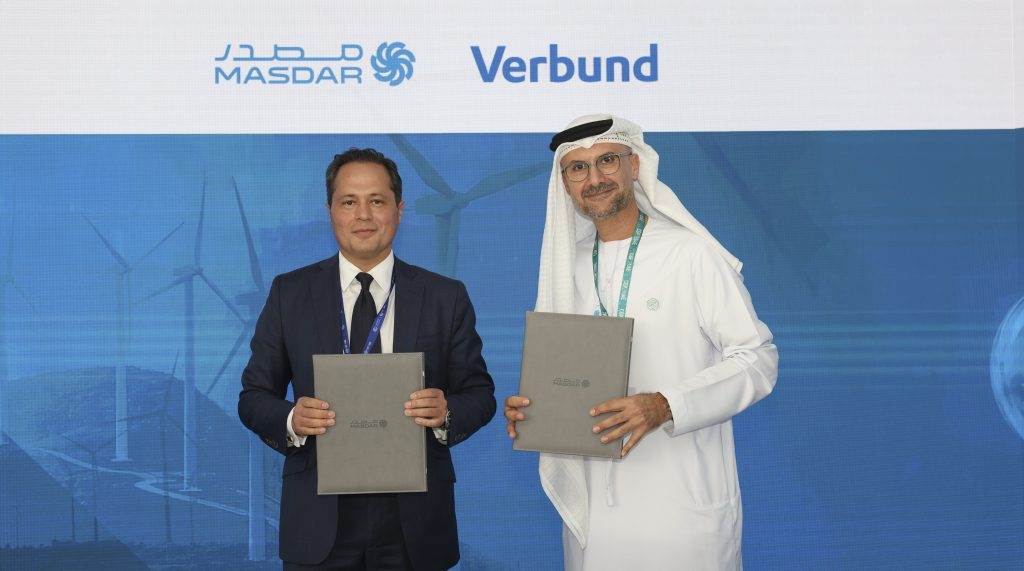
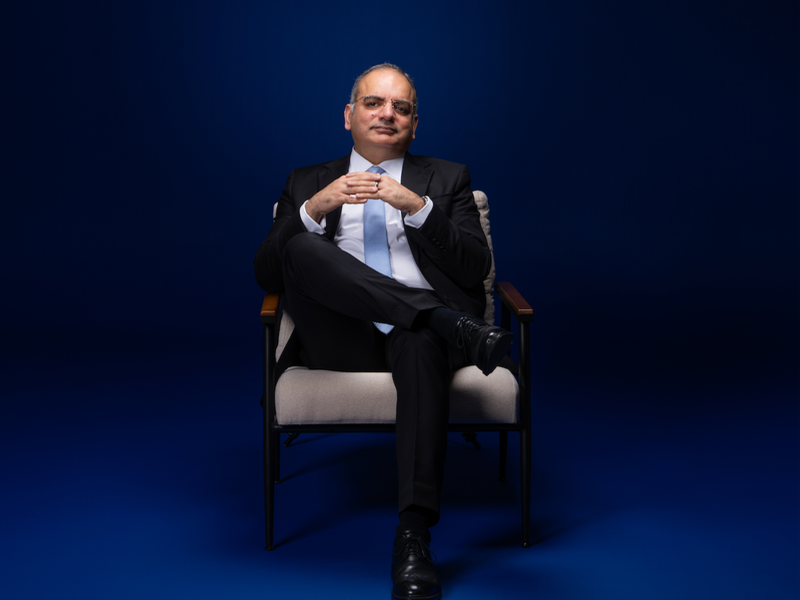
The agreement was formalised by Mohammad Abdelqader El Ramahi, Masdar’s Chief Green Hydrogen Officer, and Hamead Ahrary, Managing Director of Verbund Green Hydrogen GmbH, during COP28 at Expo City Dubai.
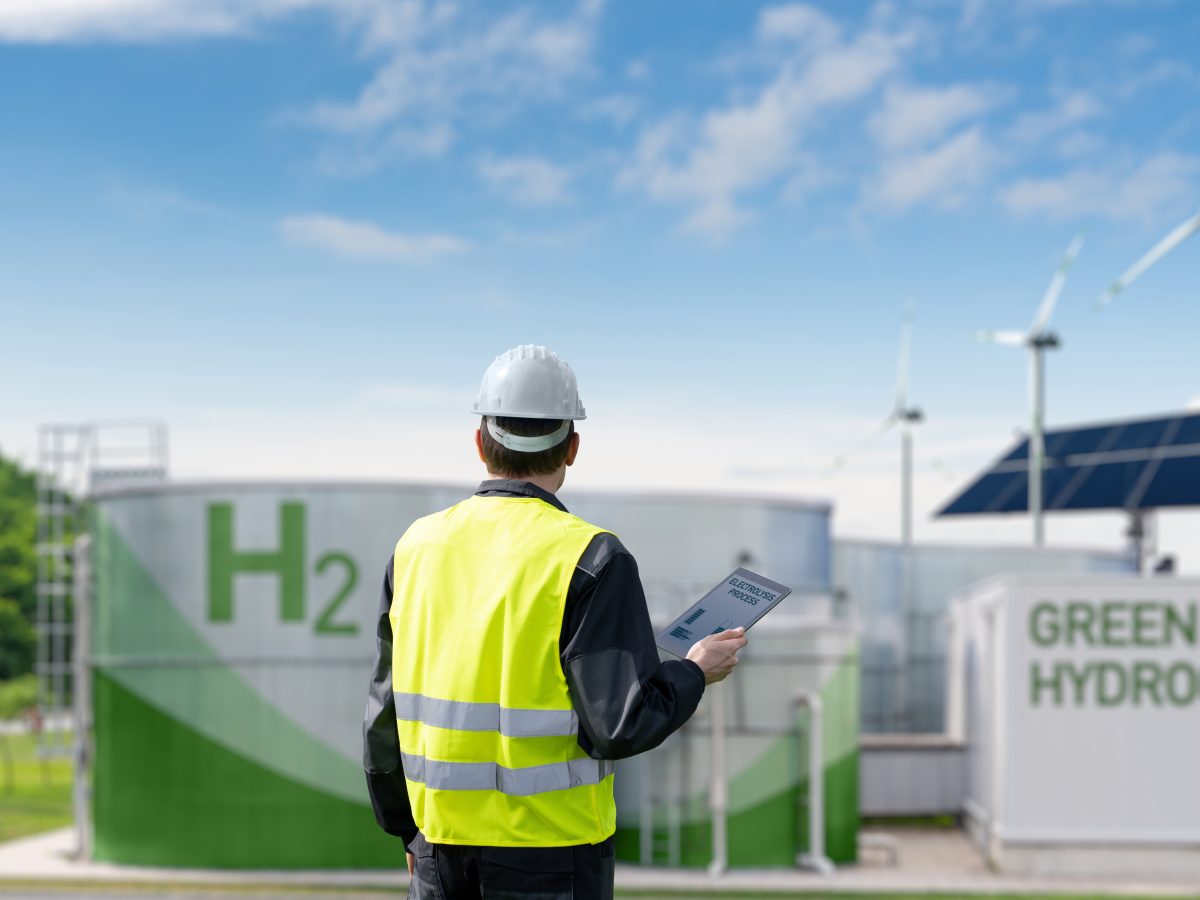
Green hydrogen, produced through electrolysis using electricity from renewable sources, is the focus of this envisioned plant. The project aims to utilise renewable energy from solar power plants, including Masdar’s proposed gigawatt-scale solar plant in Castilla-La Mancha and onshore wind farms. Additionally, it anticipates fostering job creation and promoting green industries in the region, which is sparsely populated.
“As one of Europe’s largest planned green hydrogen production plants, the project aims to produce green hydrogen to help decarbonise the continent’s hard-to-abate industries while creating jobs and tapping into the region’s enormous solar and wind potential,” said Mohammad Abdelqader El Ramahi, Masdar’s Chief Green Hydrogen Officer. “Our successful collaboration on this project paves the way for further development of green hydrogen and a vital pipeline linking production centres with end-use markets.”
The European market presents substantial growth potential for green hydrogen. Spain presently consumes roughly 500,000 tonnes of predominantly conventional ‘grey’ hydrogen annually, which could progressively transition to green hydrogen. By 2035, Austria alone will require approximately 600,000 tonnes per year of clean hydrogen.
“The Spanish market plays a vital role for us, both for the development of local H2 production, as well as for future potential import to central Europe,” said Hamead Ahrary, Managing Director of Verbund Green Hydrogen GmbH. “The joint study will generate valuable insights for the feasibility and execution of a potential project, which would result in the further strengthened positioning of Verbund in the Spanish market.”
Expected to be operational by the end of the decade, the planned green hydrogen plant will serve the industrial sector and has the potential to help decarbonise heavy transportation in Spain and central Europe.