
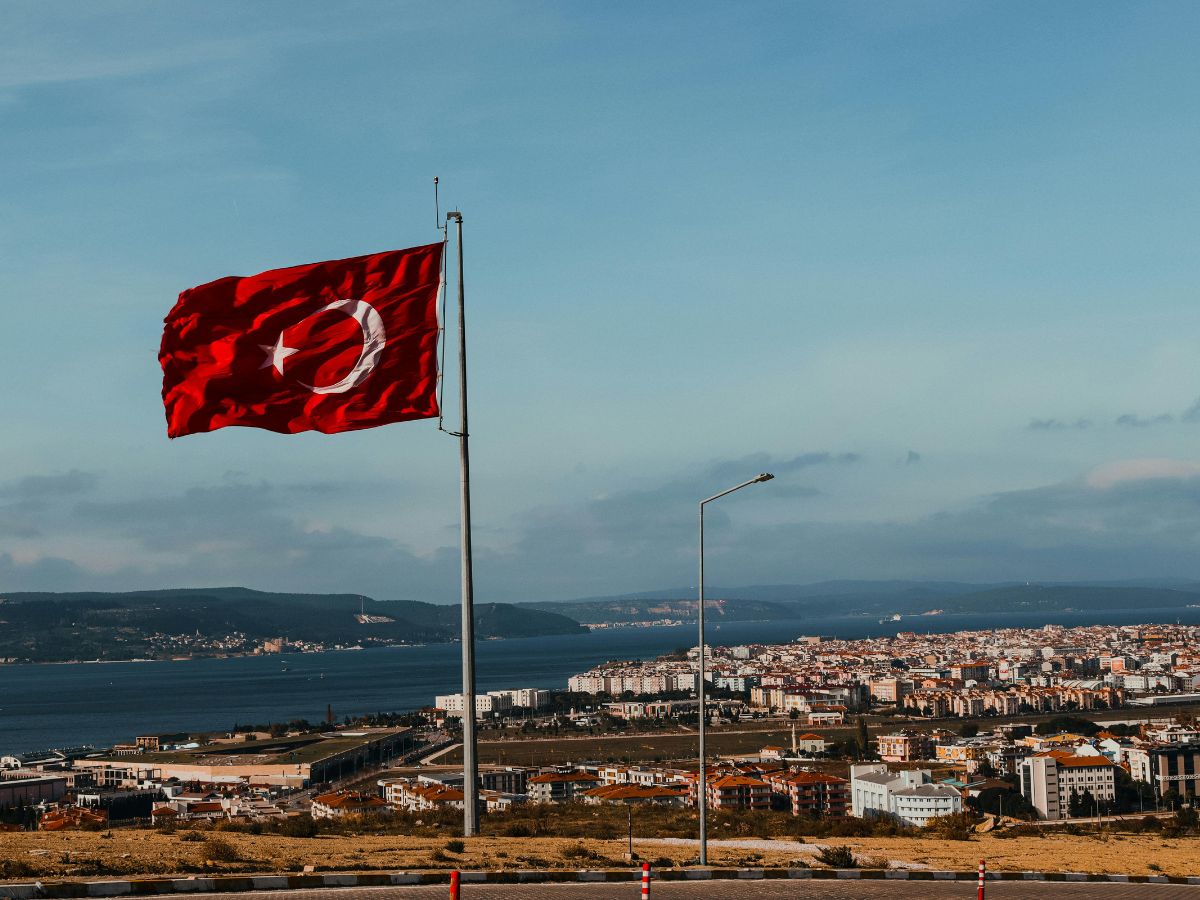
Turkey’s central bank unexpectedly hiked interest rates from 45 to 50%, ten days before a nationwide local election, in a move that surprised markets worldwide.
The country’s Monetary Policy Committee said the decision was taken as a result of “deterioration in the inflation outlook”, with inflation rates soaring towards 70%.
“While imports of consumption goods and gold slowed down and contributed to the improvement in the current account balance, other recent indicators imply that domestic demand remains resilient,” the bank said. “Stickiness in services inflation, inflation expectations, geopolitical risks, and food prices keep inflation pressures alive.”
The central bank also announced it would adjust the monetary policy operational framework by setting the central bank overnight borrowing and lending rates 300 basis points below and above the one-week repo auction rate, respectively.
The “tight monetary stance will be maintained until a significant and sustained decline in the underlying trend of monthly inflation is observed, and inflation expectations converge to the projected forecast range,” the Committee added.
The monetary policy stance could be tightened further “in case a significant and persistent deterioration in inflation is foreseen”, it said. The decision marks the first interest rate hike under the direction of the new central bank governor, Fatih Karahan.
In December, Turkey’s central bank said it expected inflation to rise to as high as 75% in May 2024, before dipping to about 36% later in the year. In February, core consumer prices rose 72.89% compared to 2022 rates, while annual inflation was last recorded close to 70%.
Turkey is far from the only country to be raising interest rates as a result of soaring inflation. Earlier this week, Japan announced its first interest rate increase in 17 years, while Egypt recently raised interest rates by 6%.
In contrast, the US Federal Reserve has recently pointed towards its intention of lowering interest rates in the short term. In January, the potential for an earlier cut in US interest rates was signalled by Atlanta Fed President Rafael Bostic, stating his openness to such a move if there is “convincing” evidence of inflation falling faster than anticipated in the coming months.
However, analysts are now predicting that Fed cuts will not occur before June 2024.