Friedrich Nietzche said in 1888–and Kelly Clarkson sang in 2011—that “what doesn’t kill me makes me stronger” and, although the saying has been disproven by Brown University researchers, the sentiment still rings true when discussing the effects of the fintech revolution in financial institutions.
When it was once said that banks would be replaced by younger, faster and more innovative fintech startups, this has not been the case. Instead, the increase in competition has transformed traditional financial services providers into businesses akin to those that once seemed destined to replace them.
“A few years ago, everyone used to say ‘fintechs will kill banks’ and, in the process, fintechs almost got extinct,” Marwan Hadi, Emirates NBD’s Group Head of Retail Banking and Wealth Management reflected during a recent panel at the Dubai Fintech Summit.
“All I can say is: ‘Innovate or get extinct’.”
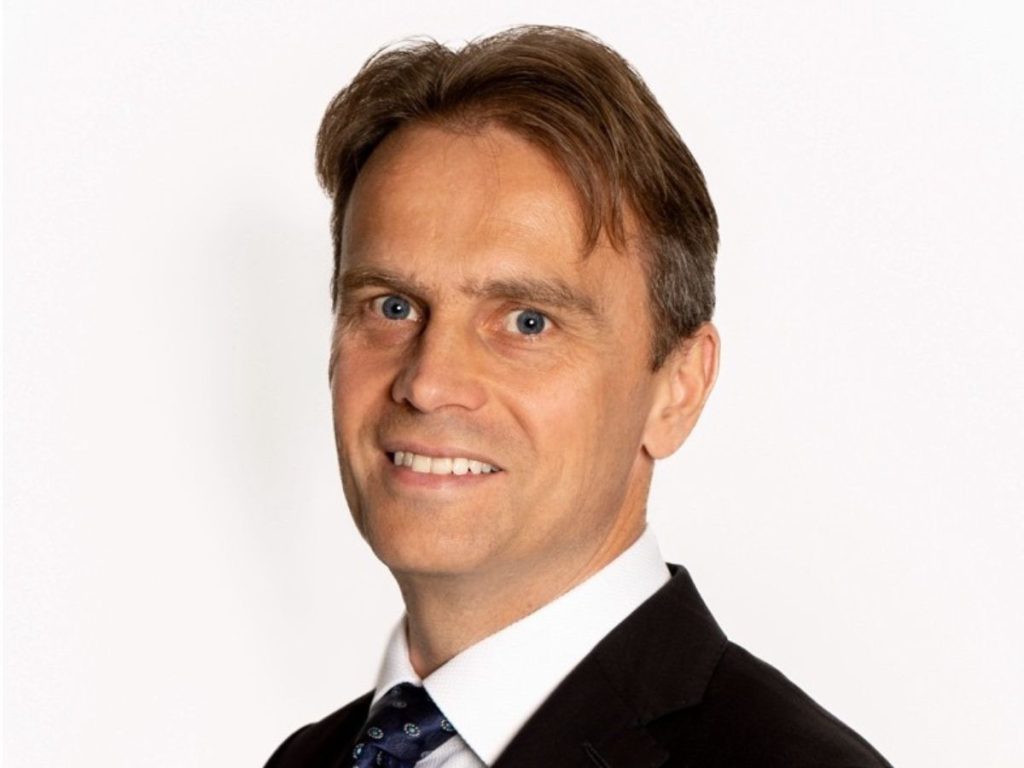
Marwan Hadi
The UAE’s banking sector has been one of the main stages of this competition. Dubai has witnessed a surge in fintech investment in recent years, with total fintech funding, reaching $2.3 billion in 2023, according to Magnitt. Globally, investments in the sector are projected to grow by 17.2% CAGR to $949 billion by 2030, including those of traditional financial institutions (FIs) and new players.
“Today, the state of the global fintech sector is nothing short of remarkable,” said HE Essa Kazim, Governor of the Dubai International Financial Centre (DIFC) in a recent speech. “We find ourselves in a landscape characterised by unprecedented growth, rapid technological advancements and an endless pursuit of financial inclusion.”

But how did fintechs and FIs reach this truce? And what value will derive from this newfound friendship?
If you can’t beat them, join them
Digital transformation, crypto, cloud, blockchain and artificial intelligence (AI) are some of the trends that were called to end traditional banking. In 2023, global investment and fintech firms surpassed $100 billion, according to data from CB Insights. This represents a staggering 50% annual growth, highlighting the robust investor appetite for fintech innovation. Yet, during this period, banks continued to thrive, particularly those that embraced innovation and change.
“This idea of us (the incumbent) versus the fintechs.., I think this divide has merged,” said Ahmed Al Qassim, Group Head of Wholesale Banking at Emirates NBD. “That taboo is not there anymore for us. We cannot work without fintechs and they cannot work without us.”
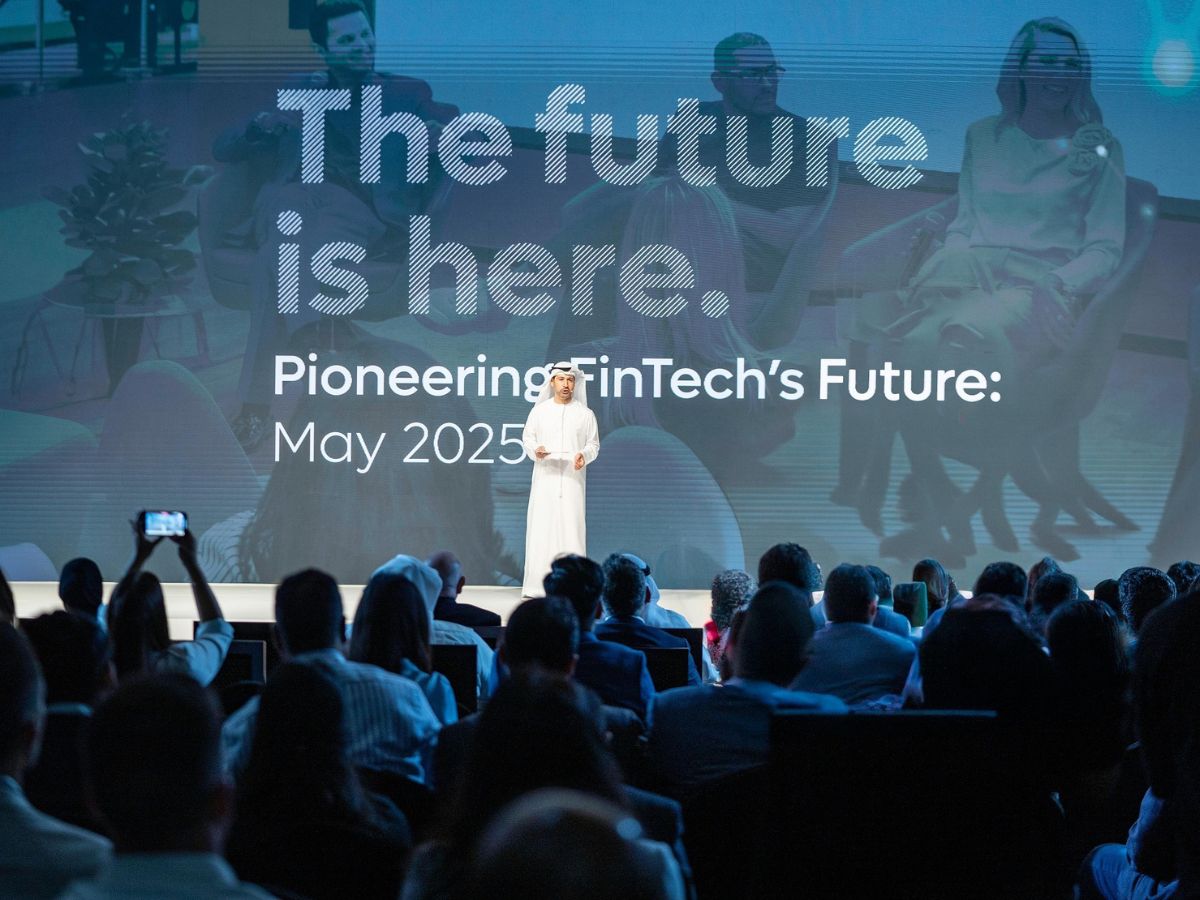
The tension between the two sectors has now transformed into a desire for partnerships, where banks are looking for the skills required to tap into new markets and leverage the latest technologies, while fintechs desire the expertise, recognition and scale of traditional FIs. The result is a collaborative environment demonstrated in large-scale events such as the Dubai Fintech Summit, which brought together over 8,000 visitors from 118 countries.
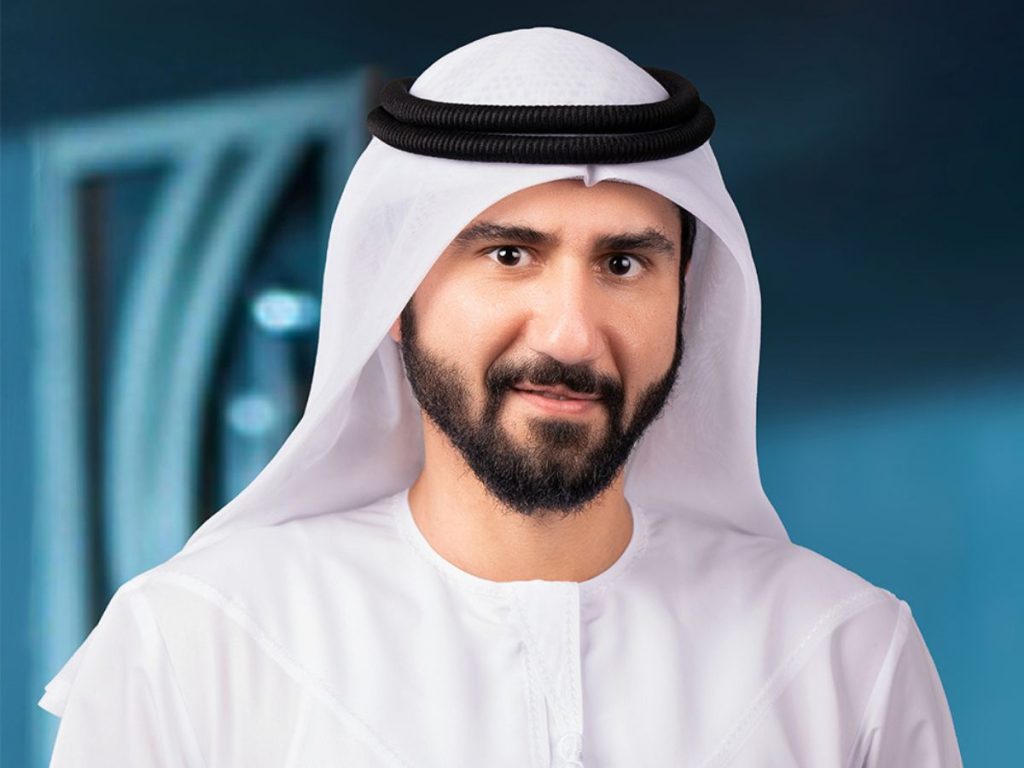
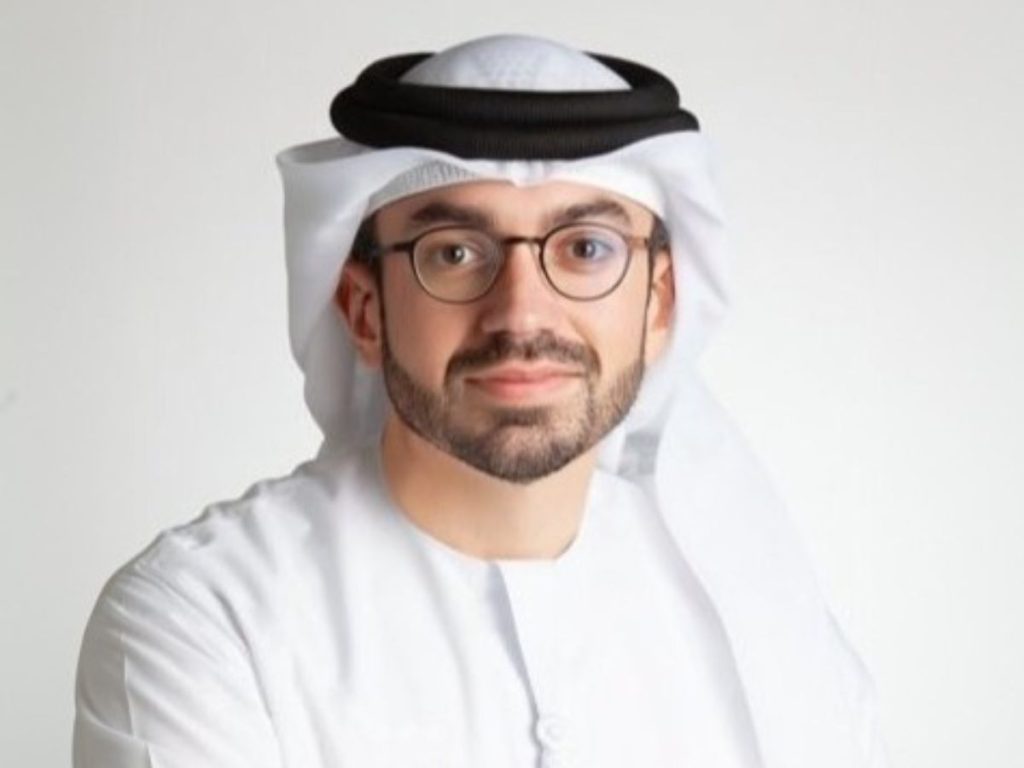
“I think everybody wants what they don’t have,” Amnah Ajmal, Executive Vice President for Market Development in EEMEA told Finance Middle East. “You look at large institutions and they talk about agility, saying ‘Oh, my God, I’m so slow’, and you look at fintechs and they’re like ‘We don’t have scale’. From that perspective, it’s a great collaboration.”
From competition to co-creation
Will traditional FIs become the new fintechs? The answer depends on one’s definition of ‘fintech’, but the rate at which banks and exchanges are adopting the latest technological advances, tapping into new markets and deriving great profits from such collaborations cannot be ignored.
“If we look at the growth trajectory of our business, already we generate more revenue on the elements of our business outside or exchanges than we do in our exchange business,” Adena T. Friedman, Chair and CEO of Nasdaq, told attendees at the summit.
“In the next ten years, we are likely to be more of a fintech provider than an exchange operator.”
Adena T. Friedman
Nasdaq’s revenue from its financial technology unit surged 71% to $392 million in Q1 of 2024, driven by its anti-financial crime and compliance product offering, built through strategic acquisitions. Since Friedman became the company’s CEO in 2017, Nasdaq has completed over a dozen acquisitions, mainly in the fintech sector, with the latest being the $10.5 billion Adenza deal, the company’s largest-ever purchase. In contrast, the revenue from Nasdaq’s index business jumped 53% to $168 million during the same period.
“In the next ten years, we are likely to be more of a fintech provider than an exchange operator, although both roles are equally critical to our strategy,” Friedman added. “The exchange creates the foundation that allows us to grow and expand everything we do. It’s all interconnected.”


Mastercard is another big financial player that has embraced the co-creation of innovative fintech solutions alongside smaller players in the sector and developed fintech incubator programmes. “We don’t believe that we are the only ones who can innovate, or we have to innovate alone—a strategy of innovation is really based on collaboration,” Ajmal said.
It is not just banks who are moving towards technology, people too. Such is the case of Tomas Skoumal, an experienced finance professional who became Chairman of Dyna.Ai. “The moment you get the customer base, companies slow down the pace of innovation, because they have much more to lose,” he reflected. “As a vendor, we have to be more innovative and think customer-first because that’s what makes us different”.
The UAE sets the stage
Dubai has facilitated many of the partnerships between FIs and fintechs. This industry was the fastest-growing sector in the emirate, with DIFC recording 902 registered companies in 2023, a 31% increase from the previous year. Overall, the emirate hosts over 1,000 financial innovation firms, which have raised over $3.3 billion in VC funding, according to DIFC data.
This growth and success in fostering such partnerships has mostly been achieved through a favourable regulatory environment, resulting from the emirate’s drive towards diversification away from oil and its goal of becoming the world’s main fintech hub.

“The UAE, we needed to diversify our economy,” said HE Abdullah Bin Touq Al Marri, Cabinet Member and UAE Minister of Economy. “There is an objective to be sustainable for the next 30 years. Sustainability means new businesses for new economies and financial technology is the most important one.”
Dubai’s attractive investor landscape and clear regulatory environment have not only fostered the growth of local startups in the fintech sector but also led international players to choose the emirate as a key step in their globalisation journeys. Austrian unicorn Bitpanda and Singaporean AI firm Dyna.AI have been some of the latest businesses to take this step, while global payments platform TerraPay continues to expand in the region, having recently partnered with challenger bank Multipass.
“The UAE is very vibrant, very energetic,” said Lukas Konrad, Deputy CEO of Bitpanda.
“We definitely have a lot of empowerment coming from the regulator here in the UAE, because they are in support of technologies like ours,” added Bassem Awada, VP of MENA and Global Accounts at TerraPay. “Our technology answers a lot of the questions financial institutions have and helps them gain momentum, speed and transparency.”

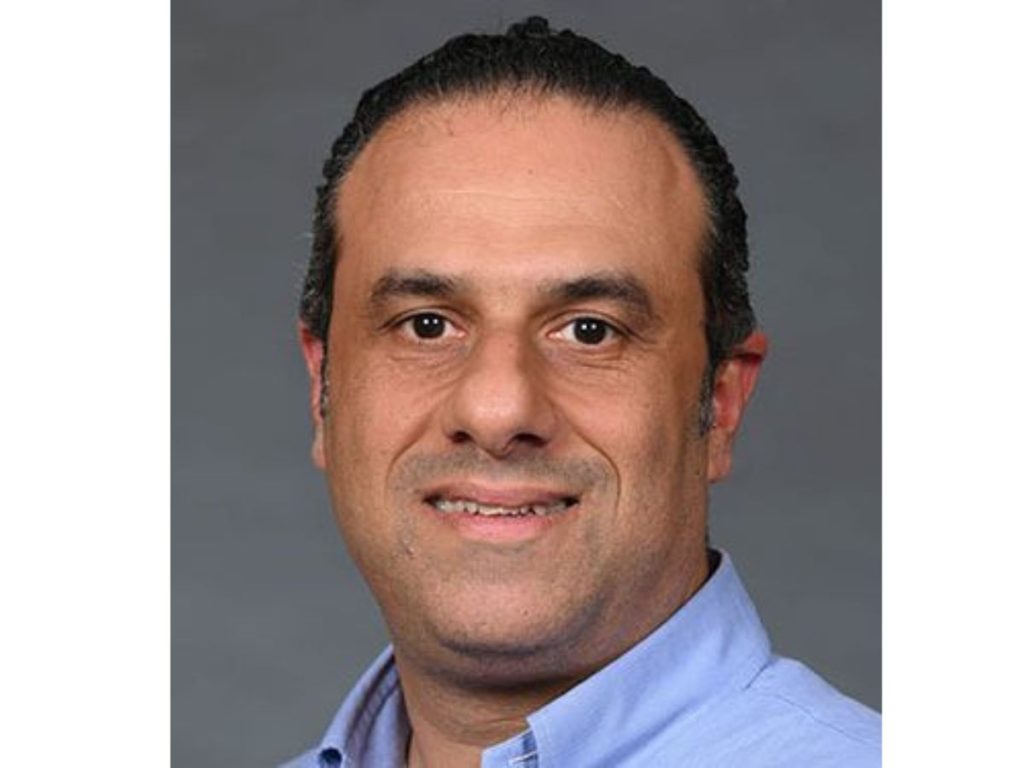
From cloud to blockchain to AI, UAE regulators have supported the growth of new banking solutions and fostered the development of an innovative business landscape, where no technology is being left out of the conversation.
“There’s a lot of strong push from the government to encourage companies to innovate here,” stated Sergey Nazarov, Co-Founder of Chainlink Labs. “I noticed a lot of high-quality teams, making Dubai or Abu Dhabi their legal headquarters. I’m impressed by how forward-looking the emirate is in its approach to regulation.”
“I think that blockchains will become how most of the bank systems will end up operating and I think that the areas that are most likely to benefit from that in the near term are the Gulf Coast countries and some of the Asia hubs like Hong Kong and Singapore.”

Innovate or disappear
In an ever-changing world, customer demands are in constant evolution. Traditional financial institutions, nonetheless, have to balance the need to adapt to the market with the responsibility of ensuring security and limiting risk. As a result, they have found a great partner in fintech companies, who can offer innovative solutions and new approaches.
“A few years ago, everyone used to say ‘fintechs will kill banks’ and, in the process, fintechs almost got extinct.”
Marwan Hadi
“We have become more open-minded in finding ways to work together and solve issues,” Emirates NBD’s Al Qassim said, reflecting on the relationship between the two types of players. “My advice to fintechs is to approach us more aggressively.”
The bank’s Hadi adds: “All I can say is ‘innovate or get extinct’. If you don’t keep up with your competitors, eventually, they will get ahead of you.”
The future is unpredictable but change is a certainty. As such, even the most traditional and risk-averse institutions are looking for new ways to adapt to the needs of their customer base. New players will continue to enter the financial field, but banks have learnt to see them as opportunities rather than threats, partnering with them to embrace change.