Central bankers will convene in Wyoming this week for the Jackson Hole Symposium, with investors awaiting Jerome Powell’s signal on rates while markets weigh weak labour data, gold and silver flows, and fragile Ukraine peace diplomacy.
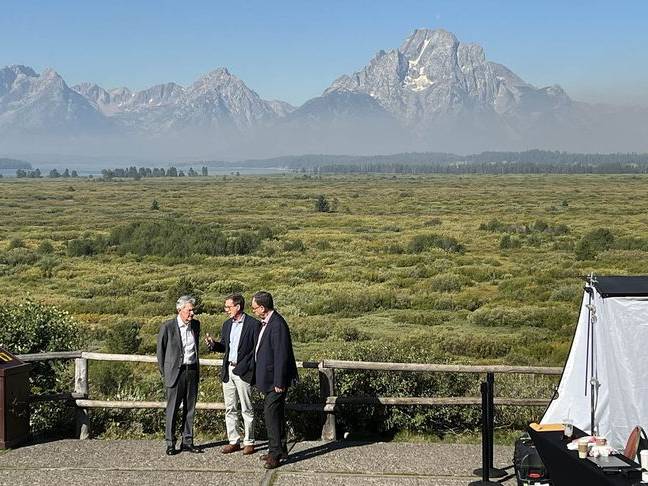
The Jackson Hole Economic Policy Symposium, hosted by the Kansas City Federal Reserve since 1978, has grown into the premier annual gathering for central bankers and policymakers. Set against the backdrop of the Wyoming Rockies, the event is deliberately small, around 120 attendees, but the influence is outsized. Papers presented in Jackson Hole have often signalled new policy directions, from Alan Greenspan’s framework discussions in the 1980s to Jerome Powell’s inflation target reset in 2020.
This year’s theme, “Labour Markets in Transition: Demographics, Productivity, and Macroeconomic Policy,” places the spotlight on shifting employment patterns. The US labour market, once the anchor of post-pandemic recovery, is showing signs of fatigue. Payroll growth has slowed, job openings are falling, and participation rates reflect both demographic change and weak demand. Against that backdrop, central banks are under pressure to calibrate monetary policy carefully.
Powell’s final Jackson Hole address?
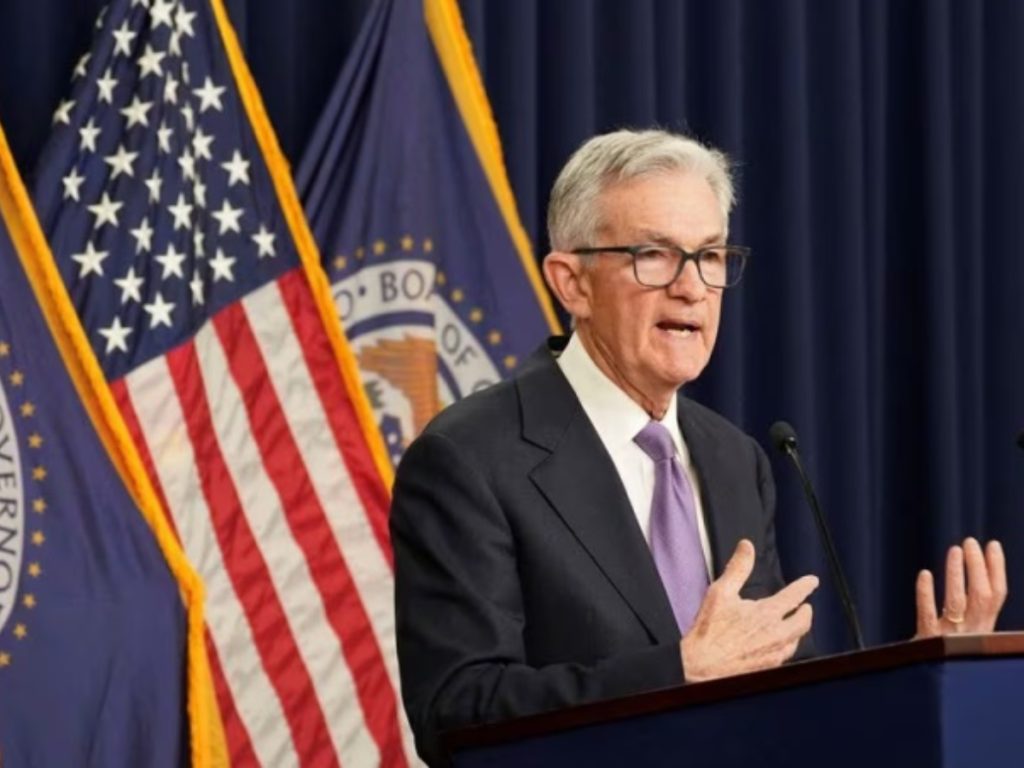
Attention is centred on Federal Reserve Chair Jerome Powell, who is expected to deliver his last Jackson Hole address before stepping down in early 2026. His speech on Friday will be broadcast live, and markets are bracing for direction. Investors are pricing in a 25 basis point cut in September, with expectations of up to three cuts by year-end if growth data continue to soften.
The Federal Open Market Committee left rates unchanged at its last meeting, but dissenting voices signalled that policy could shift quickly. Fed Governor Michelle Bowman voted for a cut, while others warned that inflation remains uncomfortably above target. The July core CPI reading at 3.1% complicates Powell’s task. If he leans into weak labour data, markets may rally further; if he stresses the need for vigilance on inflation, equities near record highs could reverse.
Analysts at Evercore estimate that a cautious or non-committal Powell could trigger a 7–15% correction in US equities through the autumn. Conversely, a clear pivot toward easing would reinforce expectations for a September cut, likely weakening the dollar and lowering Treasury yields.
What does a rate cut mean for the UAE resident?
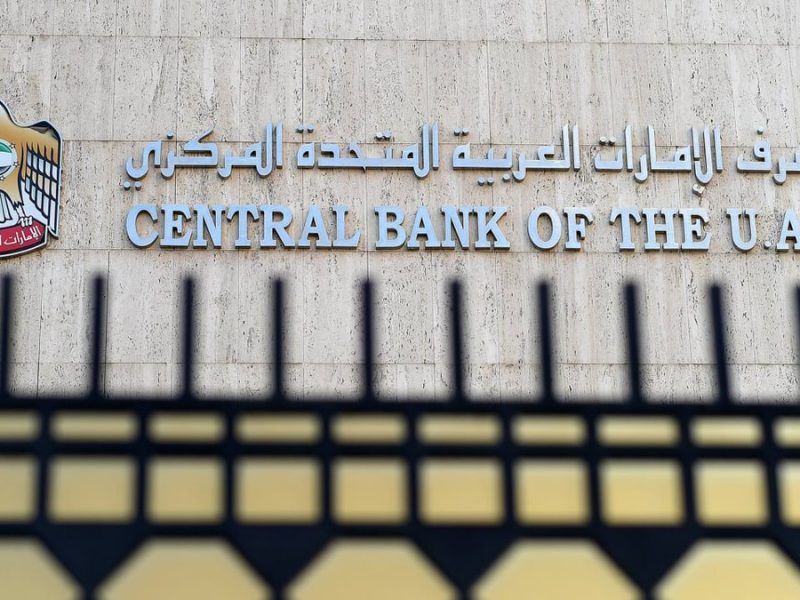
For the UAE, the impact of any Federal Reserve rate is quite immediate. With the dirham pegged to the US dollar, the Central Bank of the UAE usually moves in line with Washington, meaning borrowing costs rise or fall almost immediately.
If the Fed lowers rates, mortgage holders and businesses in the Emirates would benefit from reduced monthly repayments, easing financing costs across housing, corporate borrowing and consumer credit. At the same time, investors focused on fixed-income returns would face pressure. Lower rates typically drag on deposit yields and bond performance, forcing a reassessment of income strategies in local portfolios.
Gold and silver hold their breath
Commodity markets are equally focused on Jackson Hole. Gold is up 26% year-to-date, silver 30%, but both remain range-bound in summer trading. Ole Hansen of Saxo Bank notes that bullion-backed ETF holdings have climbed to a 25-month high of 2,882 tonnes, reflecting steady investor demand. Central banks are also on track to add more than 1,000 tonnes to reserves for a fourth consecutive year. Yet rallies have been capped by firm 10-year Treasury yields and a still-resilient dollar.
Silver’s story is more complex. Industrial demand, particularly from solar power and electrification, remains strong, but speculative positioning has thinned. Net COMEX positions have fallen from June’s 332 million ounces to around 208 million, close to the five-year average. Without a new catalyst, speculative buyers have held back. Jackson Hole could provide that catalyst if Powell signals tolerance for higher inflation or confirms multiple cuts. A dovish Fed would weaken the dollar and release upward pressure on both metals.
Oil and the Zelenskiy factor
Beyond the Fed, markets are watching developments in Washington. US President Donald Trump hosted Ukrainian President Volodymyr Zelenskiy earlier this week, pledging support for negotiations with Russia. Trump floated a trilateral meeting with Vladimir Putin as part of a new diplomatic track. Unlike previous peace initiatives that hinged on ceasefires, Trump suggested talks could advance without a formal halt in hostilities, arguing that ceasefires allow combatants to regroup.
Oil traders have been quick to react. Russia remains the world’s third-largest producer, and any shift in sanctions policy could swing prices. Brent crude has traded in a narrow band around $66–67 a barrel, awaiting clarity. A credible path to talks could ease risk premiums, but renewed sanctions on buyers of Russian oil would tighten supplies and push prices higher. The uncertainty hangs over Jackson Hole, reminding investors that monetary policy does not exist in isolation from geopolitics.
Canada and global central banks
Other central banks will also use Jackson Hole to position themselves. The Bank of Canada faces pressure as inflation data remain above target. July CPI is expected at 1.8%, but core measures around 3.1% leave little room to cut. Markets are pricing in only 20 basis points of easing by year-end. A sharper drop below 3% could shift expectations. The European Central Bank and Bank of England governors are also in Wyoming, both confronting their mix of sluggish growth and stubborn inflation.
Why Jackson Hole still matters
Nearly five decades on, the symposium’s power lies in its timing and concentration. Coming just weeks before critical central bank meetings, it offers the clearest opportunity for policymakers to reset narratives. Powell’s words this week could either anchor expectations for steady easing or pull back against markets that are already pricing aggressive cuts.