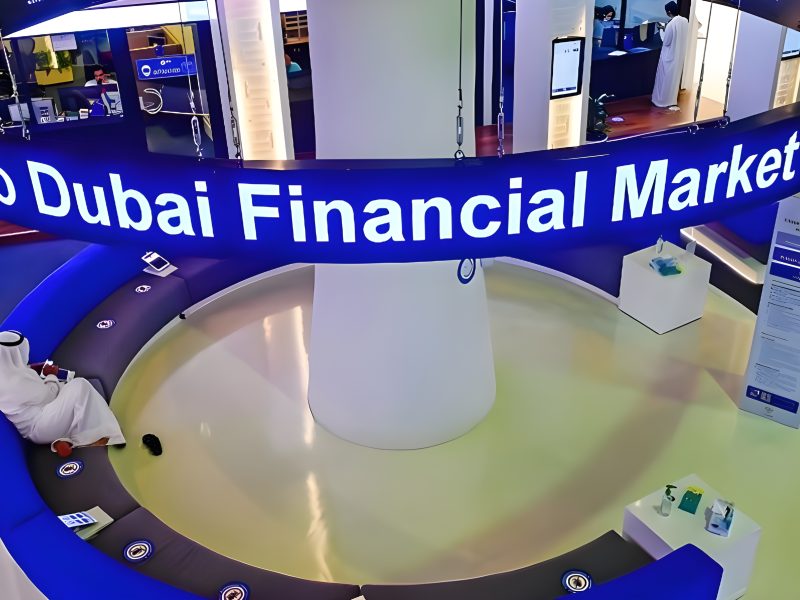
Despite this global slowdown, the Gulf Cooperation Council (GCC) is expected to remain a bright spot, driven by resilient non-oil sector growth and strategic investments supporting economic diversification, according to Standard Chartered’s “Global Focus 2025 – Reverberations” report.
The report highlights that lower interest rates are likely to benefit interest rate-sensitive sectors in Saudi Arabia, the UAE, and Qatar.
While broader MENA economies, including Egypt and Lebanon, face heightened pressures from regional conflicts, the GCC remains relatively insulated and well-positioned for steady expansion.
The report forecasts a slight decline in global economic growth to 3.1% in 2025 from 3.2% in 2024.
“Amid global economic uncertainties, the GCC emerges as a rare bright spot, showcasing its resilience and adaptability,” said Ayesha Abbas, Managing Director and Head of Affluent and Wealth Solutions, Europe, Middle East and Africa, and UAE at Standard Chartered. “By focusing on economic diversification and leveraging opportunities in non-oil sectors, the region continues to chart a path of sustainable growth.”
She added: “The GCC’s commitment to transformation has positioned it as a dynamic force in the global economy. With its strategic investments and stable outlook, the GCC is set to play a pivotal role in driving global economic momentum in the year ahead.”
Globally, the report notes that the US economy is set to moderate in 2025 after a resilient 2024 performance, with expectations of the Federal Reserve cutting policy rates faster than the market is pricing in for 2025.
In contrast, the euro-area economy continues to struggle, with Germany and France at risk of slipping into recession.
China is likely to bear the brunt of the US tariff policy, with authorities delivering additional stimulus to support the domestic economy.
Elsewhere across Asia, growth in ASEAN and India is expected to slow slightly in 2025 due to monetary tightening and a moderating economic outlook for key trade partners.