The International Monetary Fund (IMF) has projected growth in the Middle East and North Africa (MENA) region will reach 2.1% in 2024.
This projection is a 0.6% decrease from the IMF’s April forecast. The downward revision was explained as a regional conflicts, as well as the influence of the OPEC+ production cuts. Nonetheless, regional growth is expected to rise to 4% in 2025, subject to conflicts abating.
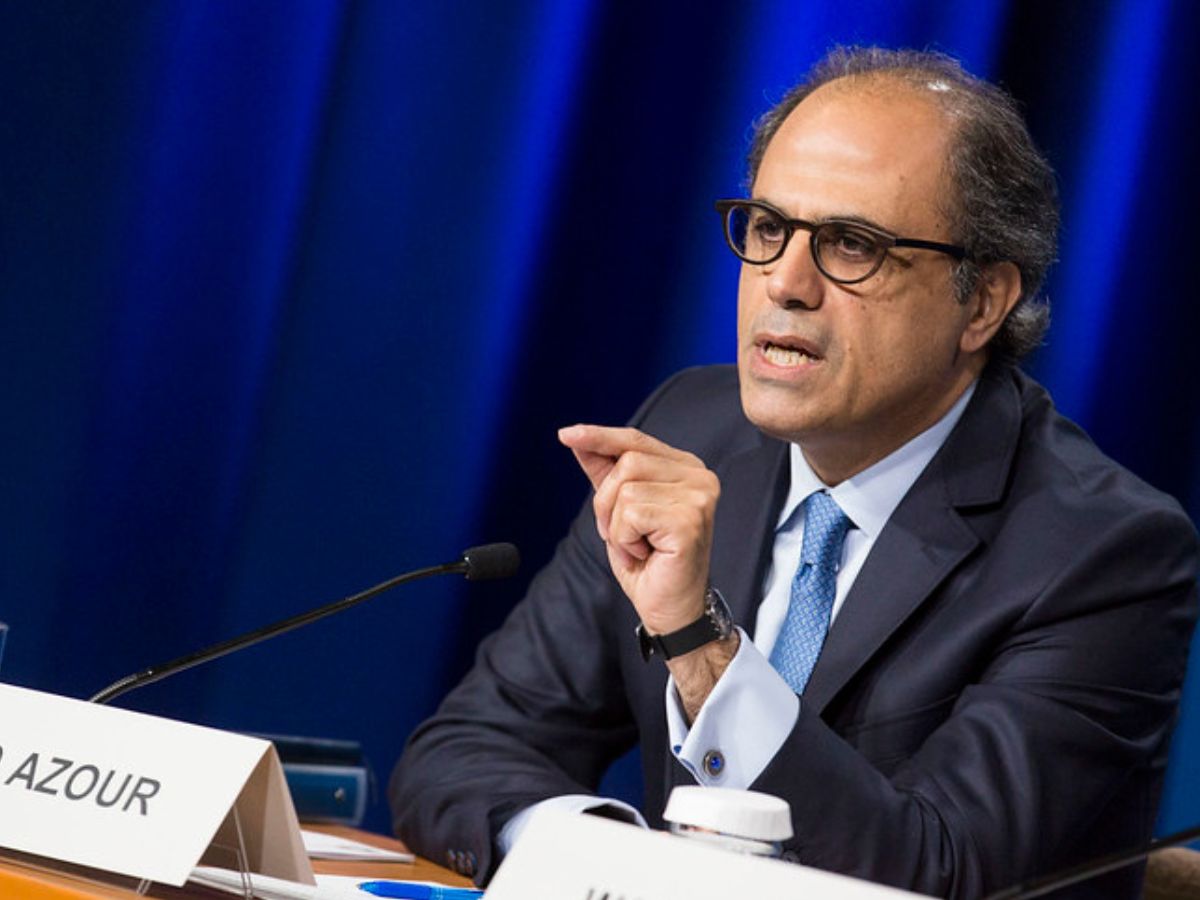
Discussing the fund’s latest projections, Dr. Jihad Azour, Director of the IMF for the Middle East and Central Asia Department, described 2024 as a “challenging year”, marked by “conflicts causing devastating human suffering and lasting economic damage”.
The regional director stressed the differences in projections for nation in the region, highlighting how oil-exporting countries are expected to see growth to accelerate to 4% in 2025 up from 2.3% in 2024, a prediction that is “contingent on the expiration of the voluntary production cuts under the open plus agreement”.
Growth is also set to accelerate in the region’s emerging markets, rising from 2.4% this year to 3.8% in 2025, assuming an easing of conflict both in the Middle East and Sudan.
“The bottom line is that the outlook is probed with risks, and hence our forecast carries important caveats,” Azour stressed, noting that the calculations had been made before the escalation of the regional conflict in Lebanon. “Overall, the impact will depend on the severity and extent of any potential escalation of the conflict.”
The IMF has forecasted the following growth rates for 2024:
- Algeria: 3.8%
- Egypt: 2.7%
- Iran: 3.8%
- Iraq: 0.1%
- Jordan: 2.4%
- Kuwait: -2.7%
- Morocco: 2.8%
- Pakistan: 2.4%
- Qatar: 1.5%
- Saudi: 1.5%
- Somalia : 4.0%
- Sudan: -20.3%
- UAE: 4.0%
- Yemen: -1.0%
Looking at the key policy priorities for the next year, Azour noted the need for public authorities to safeguard macroeconomic stability and sustainability while managing conflict related challenges and improving medium term growth prospects. The fund identified a series of priority areas including governance, improvement job creation, investment promotion and financial development, reducing trade barriers, diversifying markets, investing in infrastructure and improving competition in the financial sector to increase private sector credit.
“Our research on financial development finds that reforms to boost competition in the banking sector, reducing the role of the state, lowering barriers to entry and relaxing capital account restriction could raise the private sector credit by more than 5% and GDP per capita by almost 2% after five years,” the IMF director stressed.
As a result, the fund advices MENA oil exporters to “focus on fostering resilience and sustainability while ensuring intergenerational equity”. Moreover, the monetary policy stance “should remain data dependent and vigilant to changes in underlying inflation pressures”.
The director concluded by emphasising the IMF’s commitment to supporting the MENA economies “is steadfast”. In 2024, the the fund approved $13.4 billion in financing to countries in the MENA region, as well as also in Pakistan and the organisation has opened a new regional office in Riyadh.