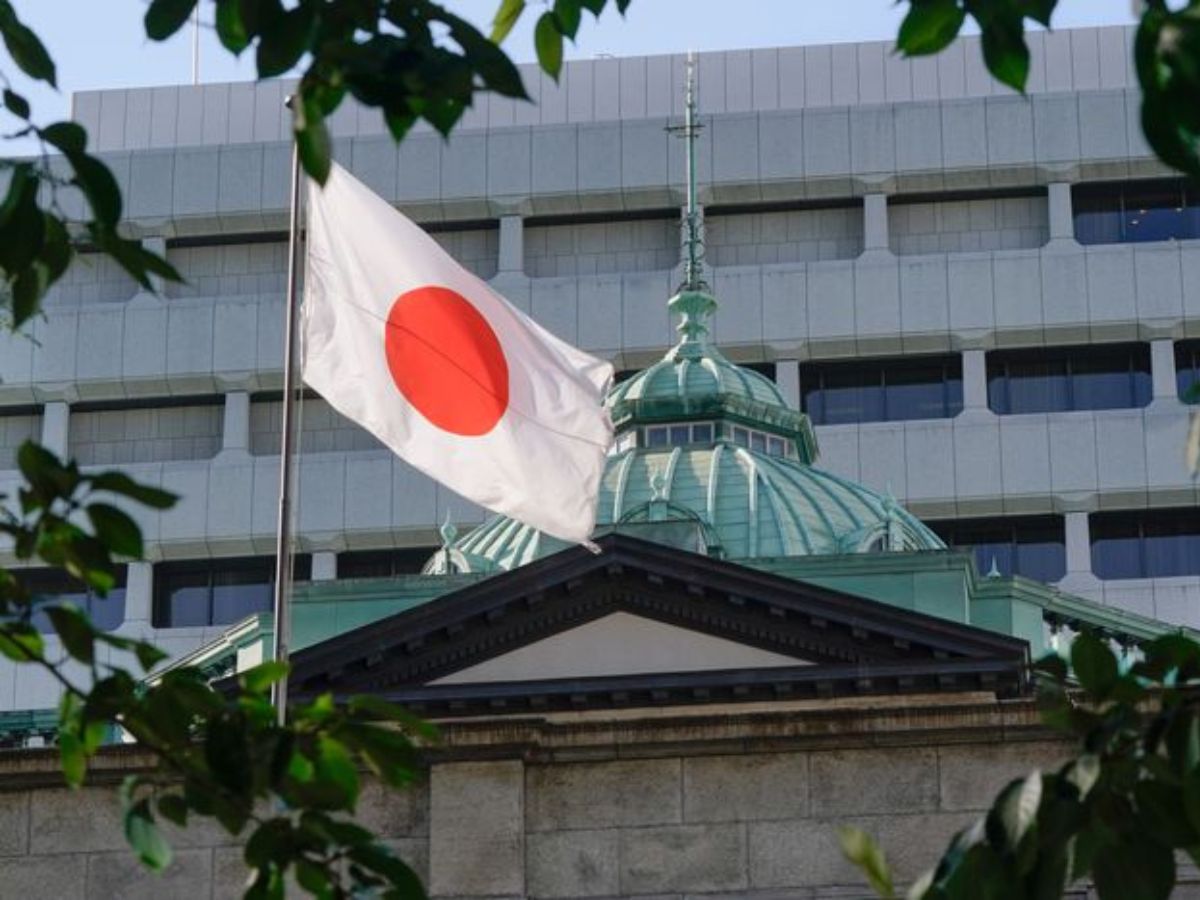
The Bank of Japan (BOJ) has made a historic shift away from its focus on reducing inflation through monetary easing policies, by announcing the country will raise interest rates for the first time in 17 years.
The BOJ has decided to guide short-term interest rates within a range of zero and 0.1%, partly by paying 0.1% interest to deposits at the central bank. Japan’s goal is to attain a stable 2% inflation rate, which the bank said is “in sight.”
“We reverted to a normal monetary policy targeting short-term interest rates, as with other central banks,” BOJ Governor Kazuo Ueda said at a press conference after the decision.
“If trend inflation heightens a bit more, that may lead to an increase in short-term rates,”
With this decision, Japan has become the last central bank in the world to exit negative interest rates. Since 2016, the BOJ has set short-term interest rates at minus 0.1%, making it less attractive for financial institutions to leave excess funds at the central bank
The rise in rates will impact the country’s economy, meaning higher borrowing costs for companies and households but a boost in the profitability of commercial banks and other financial institutions.
Alongside the decision to increase interest rates, the BOJ also decided to scrap its yield cap programme and end its purchases of assets such as exchange-traded funds, stating that the monetary easing framework has “fulfilled” its role.
Nonetheless, the BOJ is still expected to continue to buy long-term Japanese government bonds in “broadly the same quantities as before” when bond yields rise sharply.
Inflation in Japan reached its highest level in more than 40 years for a short period in 2023. However, that rate was still well below the levels of inflation that other nations across the world have recorded in recent months, and that led to rising interest rates in nations such as Egypt and the US.
The US Federal Reserve has recently pointed towards its intention of lowering interest rates in the near future. In January, the potential for an earlier cut in US interest rates was signalled by Atlanta Fed President Rafael Bostic, stating his openness to such a move if there is “convincing” evidence of inflation falling faster than anticipated in the coming months. However, analysts are now predicting that cuts will not occur before June 2024.
The BOJ’s decision to increase interest rates was not unanimous, with two of the nine board members opposing the motion during the meeting.