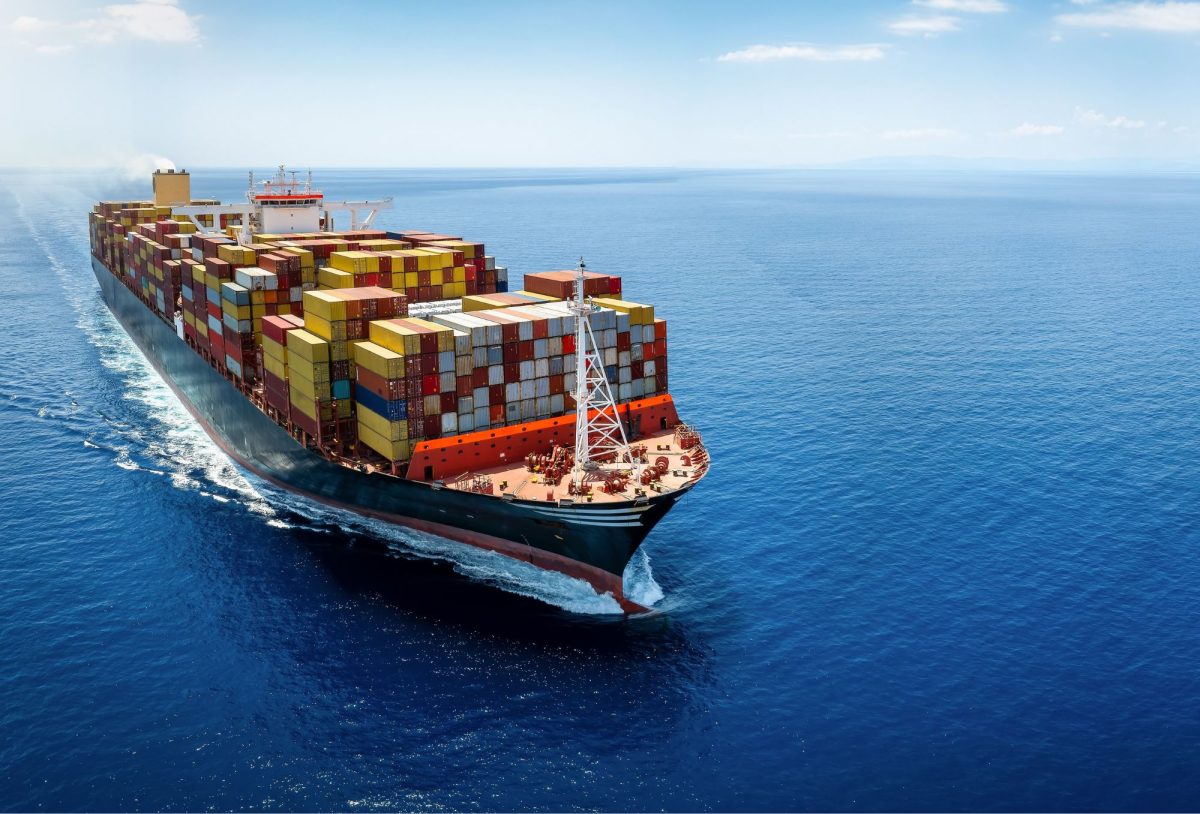
The UAE is expanding its position as a global maritime player through record container throughput, international port operations, and leadership in maritime policy reform. In 2023, UAE ports processed 21 million twenty-foot equivalent units (TEUs), and the maritime sector contributed Dh135 billion ($36.7 billion) to the national GDP.
National entities operate 106 ports across 78 countries, according to the Ministry of Energy and Infrastructure, which helps build trade corridors and logistics capacity in both emerging and advanced markets. These global operations are backed by domestic investments in automation, clean fuel, and port digitalisation.
Fujairah Port supplies vessels with low-sulfur fuel and LNG bunkering in line with the MARPOL Convention. The UAE has also joined the Green Shipping Corridors Alliance and the Global Ports Hydrogen Coalition to support decarbonisation efforts.
Domestically, the UAE has launched several projects, including Maqta Gateway, Blue Pass, CargoSpeed, and BoxBay, to enhance efficiency and reduce emissions. These tools are deployed across major terminals in Abu Dhabi and Dubai.
The UAE is also involved in shaping international maritime legislation. It has submitted proposals to the International Maritime Organisation (IMO) aimed at updating the global framework to address fraudulent ship registrations and support the regulation of autonomous vessels. The country is now seeking to renew its membership in the IMO Council.
Since 2020, the UAE has participated in IMO audit missions in Egypt, Greece, Malta, and Thailand and co-hosted six training workshops on regulatory best practices. National maritime institutions, including the Abu Dhabi Maritime Academy and the Sharjah Maritime Academy, have graduated nearly 500 officers and engineers to date, with 100 of them being women.
Energy Minister Suhail Al Mazrouei said the UAE is pushing ahead with plans to integrate digitalisation and sustainability in maritime transport. “We are currently working to support the integration of digitalisation and sustainability across all aspects of the sector—whether through legislative frameworks or the adoption of advanced technologies such as autonomous ships,” he said. “Our membership in the IMO Council is a responsibility that stems from our ongoing commitment to best practices.”
The UAE has also contributed to an IMO trust fund aimed at helping developing and island states attend regulatory meetings. It continues to host major global events, including UAE Maritime Week and ADIPEC and has participated in COP and BRICS forums focused on port decarbonisation.
Under-Secretary for Infrastructure and Transport Affairs Hassan Al Mansouri said maritime infrastructure remains central to the country’s economic strategy, noting that the UAE supports supply chains through flexible and secure port connectivity.
Hessa Al Malek, maritime transport advisor to the minister, stated that the sector is closely tied to the broader goals of economic diversification, environmental stewardship, and workforce development. “The UAE is working to share this successful experience internationally,” she said.
The country’s long-term strategy aligns with the IMO’s global decarbonisation goals and its own Net Zero 2050 initiative.