The non-oil private sector in the UAE closed 2024 with robust performance as the Purchasing Managers’ Index (PMI) reached 55.4 in December, its highest level in nine months, according to S&P Global’s latest report. The increase from November’s 54.2 reflects accelerated growth in business activity and new orders despite ongoing challenges related to workforce constraints and rising backlogs.
The December report highlights strong demand conditions that contributed to the sharpest rise in new business volumes since March 2024. Firms attributed the growth to favourable market conditions, discounted pricing strategies, and progress in ongoing projects. However, international sales growth slowed during the same period, underscoring the reliance on domestic demand.
David Owen, Senior Economist at S&P Global Market Intelligence, noted: “The UAE saw its best expansion in non-oil business conditions for nine months in December, with the latest PMI data closing out another year of continuous growth and putting the sector in a strong position for 2025.”
Capacity pressures and employment
Despite the increase in output, companies reported significant pressure on capacity due to limited workforce expansion. Employment in December grew at one of the slowest rates in over two-and-a-half years, a trend linked to margin pressures and firms’ cautious hiring strategies amid rising costs. This resulted in one of the fastest accumulation rates of backlogged work in the survey’s history since its inception in 2009.
“Recruitment appears to be the limiting factor—the pace of employment growth was barely changed from November’s 31-month low,” Owen commented. “While margin constraints appear to be holding some firms back from recruiting more staff, there is certainly a need to boost resources to ensure firms capitalise on demand in the new year.”
Price pressures
Input cost inflation eased to its lowest level since March 2024, with slower price increases for raw materials, shipping, and food-related goods. Nonetheless, companies continued to lower output charges for the third consecutive month, citing competitive market dynamics. The reduction in client fees was aimed at supporting sales growth but added further pressure to margins.
Despite increased purchasing activity—reaching a 13-month high—input inventories declined slightly as businesses utilised materials rapidly to meet heightened demand. Delivery times saw minimal improvement compared to November, reflecting continued supply chain pressures.
Dubai PMI
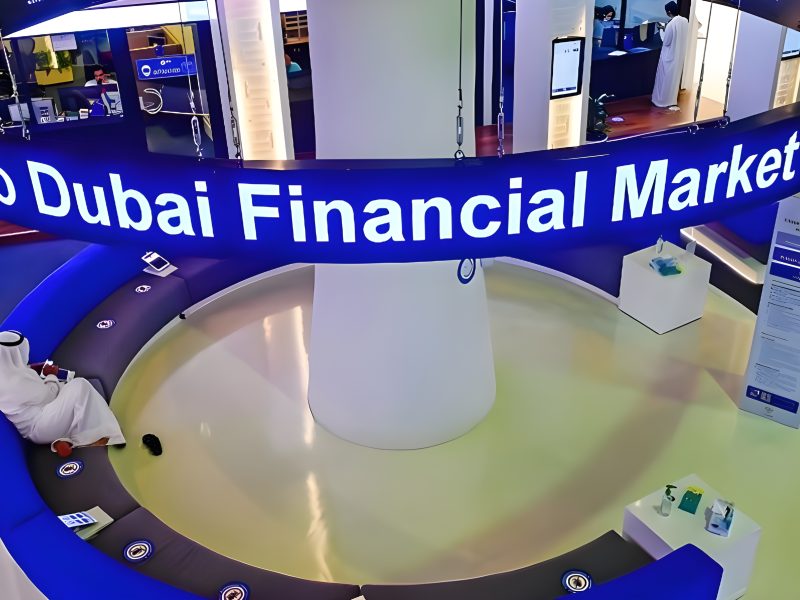
Dubai’s PMI rose to 55.5 in December from 53.9 in November, signalling its strongest growth in operating conditions in nine months. Increased client demand and market activity boosted both output and new orders. However, firms in Dubai reported weaker optimism about future growth, with confidence at its lowest level since May 2021.