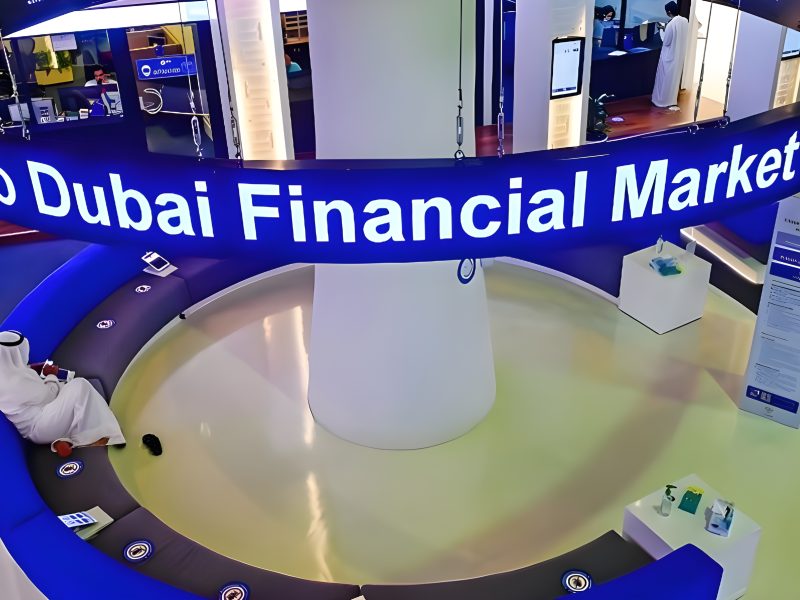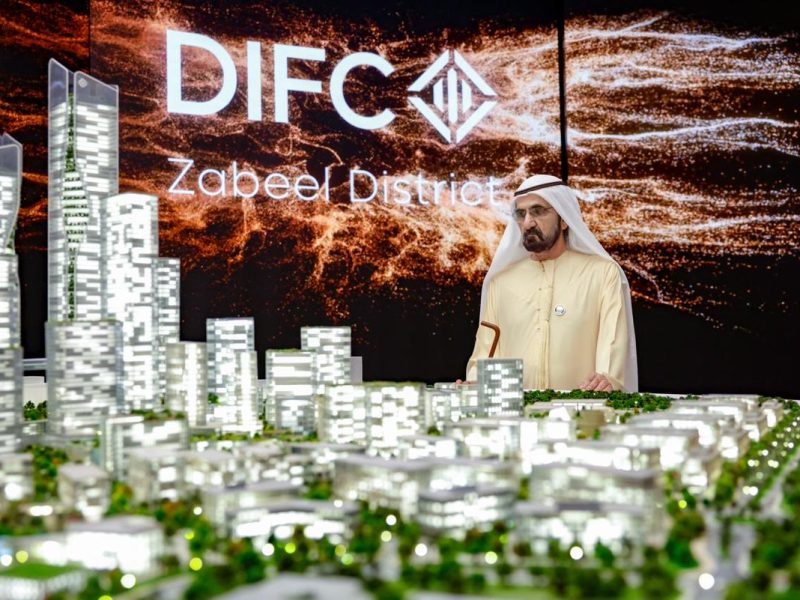
Despite the challenging backdrop of the pandemic and global uncertainty, the UAE’s economy has experienced remarkable growth over the past few years. According to the UAE’s Federal Competitiveness and Statistics Centre, the country’s economy expanded by an impressive 7.9% last year, building on a growth rate of 3.9% in 2021.
Fueling this economic surge is the non-oil GDP growth, driven by a strong emphasis on diversification. With full steam ahead, the UAE has embarked on a transformative journey on the back of proactive reform efforts, bolstered by a robust legal framework, simplified business setup procedures, and the introduction of flexible freelance visas, which have been instrumental in facilitating UAE companies’ access to capabilities within the shared economy.
Central to this growth is the role of small and medium-sized enterprises (SMEs) and startups that serve as the vanguard of this transformative change. With the right business idea and a proper business plan to realise their dreams, these entities often prove to be the strongest force multipliers of the country’s economy. According to the Ministry of Economy statistics, the SME sector represents more than 94% of the total number of companies operating in the country. It provides jobs for more than 86% of the private sector’s workforce.
Despite their importance to the economy, SMEs often face grave challenges, especially in banking and funding. A 2020 study by the SME Fund found that 50% of SMEs in the UAE had to wait more than three months to open a bank account, hindering their ability to access essential financial services for their business operations and growth.
These challenges serve as poignant reminders for banks to take proactive steps in supporting SMEs and startups by offering innovative financial solutions. Recognising the critical significance of accessibility, banks must streamline their services for SMEs by providing them with easy access to digital accounts, automated platforms, and the necessary tools, which can empower and enable entrepreneurs to manage their operations efficiently.
Moreover, enhancing accessibility can be achieved by forging strategic partnerships with government entities, free zones, and private enterprises in the UAE and the broader region. Such collaborations allow banks to expand their reach and enhance their ability to provide customised financial solutions tailored to the unique needs of SMEs and startups.
Clearly, the future of the UAE’s economy is set to be shaped by entrepreneurship, particularly with the crucial roles that SMEs and startups play in providing innovative, future-focused solutions.
Financial institutions have a major role in supporting and nurturing these businesses by working closely with them, encouraging collaborations, and increasing access — ushering in a new era of growth and prosperity. As the UAE continues on its path of progress and innovation, its unwavering commitment to the success of SMEs and startups will undoubtedly contribute to sustainable economic growth and development.