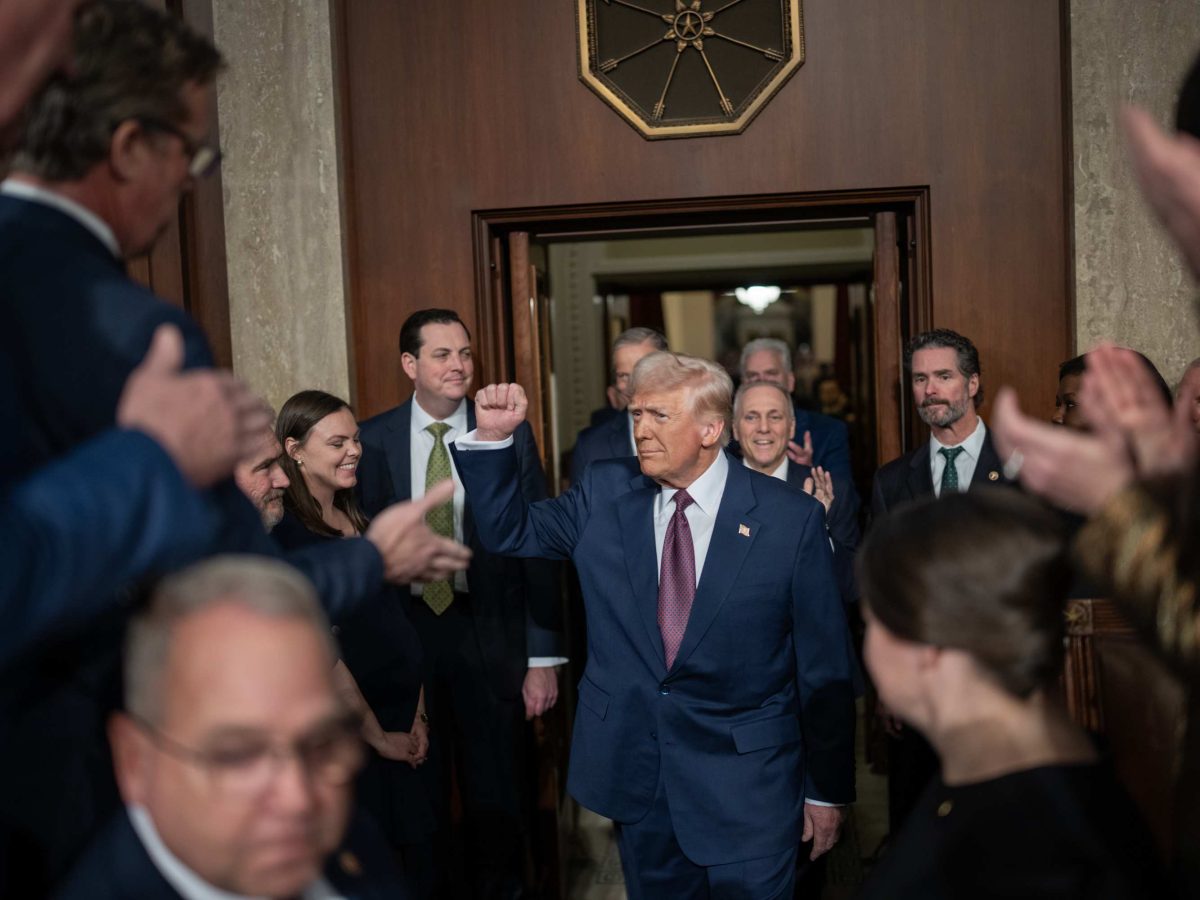
The Middle East is recalibrating its trade and investment strategies following the United States’ decision to impose new tariffs on global imports. Though the UAE and Saudi Arabia were among the countries least impacted by the 10% blanket tariff imposed on April 5, the region remains exposed to the broader fallout of a destabilised global trading environment.
The risk is not direct tariffs—but the secondary effects: supply chain dislocation, volatile oil demand, and shifts in global investment flows. As governments from the EU to Brazil prepare retaliatory measures, analysts are watching for knock-on effects across key Gulf sectors.

“Although the Middle East exposure to US tariffs is significantly less troubling compared to Europe and China, expect acceleration of trade diversification away from the US toward Asia, especially China and India, and increased emphasis on intra-GCC trade,” said Ahmad Assiri of Pepperstone.
“Countries like the UAE and Saudi Arabia will likely double down on industrial policy, local manufacturing, and re-export hubs to reduce reliance on US goods.”
Energy-exporting economies are especially alert to any signs of slowing global demand. “Lower global consumption and softer oil demand, driven by escalating tariffs and trade tensions, present clear headwinds for Middle Eastern oil exporters,” Assiri warned. “Reduced demand directly squeezes fiscal revenues, putting pressure particularly on Gulf economies heavily dependent on hydrocarbon exports.”
Countries like Iraq, Oman, and Bahrain—where fiscal break-even oil prices are significantly higher—may face steeper challenges. “Budget recalibrations, tighter public spending, or increased borrowing to manage widening deficits are options on the table,” Assiri said. In contrast, nations like Saudi Arabia, the UAE, and Qatar—thanks to lower fiscal break-even points and stronger reserves—are better positioned to absorb the impact but may still need to reevaluate timelines for flagship development projects.
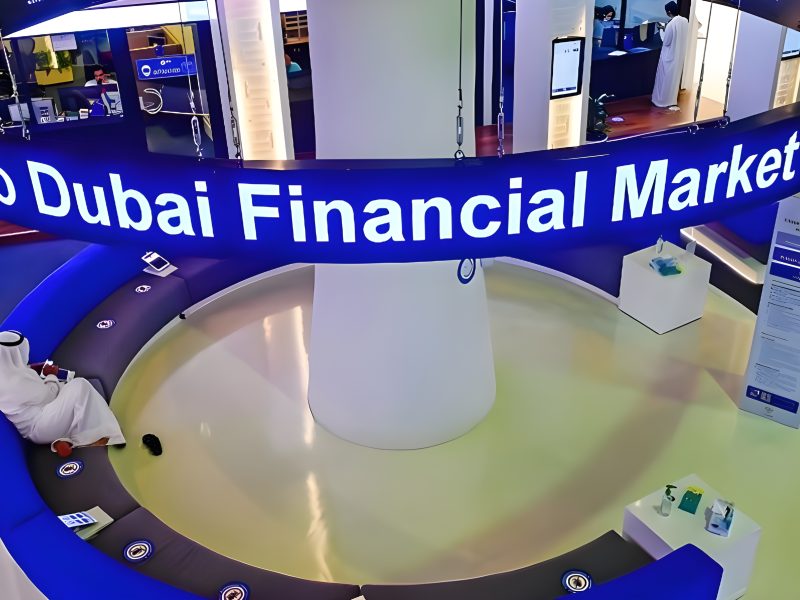
The region’s response isn’t limited to defensive adjustments. Foreign direct investment patterns are also shifting. “FDI into Gulf non-oil sectors—particularly renewables and tourism—could gain notable traction if the region positions itself as a neutral and attractive trade hub amid ongoing trade tensions,” said Assiri. “However, Western capital inflows might slow as U.S. protectionist policies persist, opening a strategic opportunity for Chinese and Indian investments to bridge emerging gaps.”
That shift, however, depends on whether GCC economies can maintain investor confidence. “The Gulf’s attractiveness as an investment destination now depends heavily on its agility and commitment to fostering investor-friendly ecosystems,” Assiri added. “Proactive reforms and consistent improvements in ease-of-doing-business metrics will be key.”
As global power dynamics and economic alliances evolve, adaptability—both at the policy and portfolio level—will determine who gains and who lags behind.