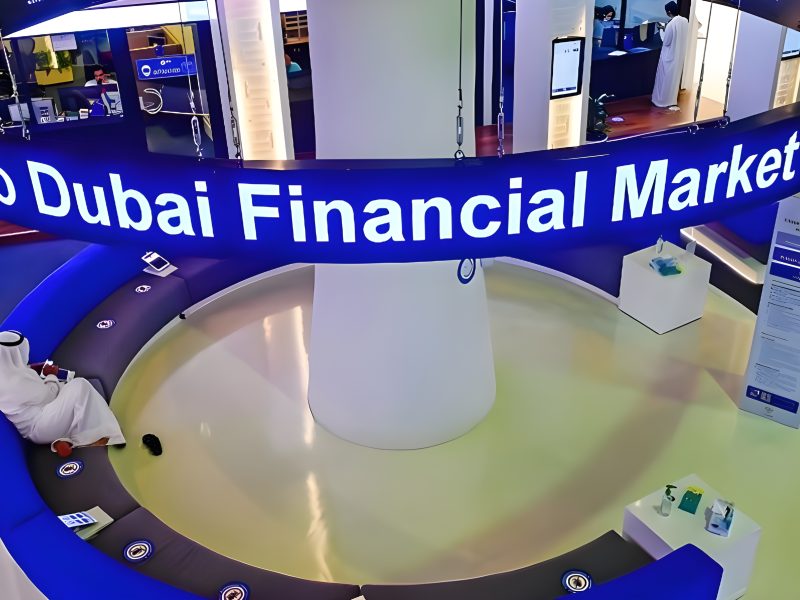
Trade and commerce are at the core of the GCC’s historical identity. Its location, at the intersection of East and West, means 30% of global trade passes through the Red Sea and the Gulf of Aden. The boom of global e-commerce, rising trade agreements and technological advances are all supercharging the growth of the sector, developing strong supply chains that can sustain competitive manufacturing bases.
Globally, the industry is on track to grow by over 50% between 2020 and 2025, an increase of $4.8 trillion, which would give the sector a valuation of $12.8 trillion, as per IHS data.
“Transportation and logistics play a vital role in any modern economy,” said Amadou Diallo, CEO of DHL Global Forwarding MEA. “In the GCC, they are crucial for diversifying by establishing the infrastructure and connectivity for non-oil industries to thrive.”
Combined, the GCC freight and logistics market has an estimated value of $50.72 billion and it is expected to reach $66.61 billion by 2029, growing at a CAGR of 5.6% during the period, according to Mordor Intelligence. In a region that aims to diversify away from oil, transportation and logistics could turn the GCC into a global commerce hub.
Delivering GDP growth
The transportation and logistics sector plays a pivotal role in the economic diversification of GCC countries. Regulatory reforms have streamlined customs procedures and provided incentives for logistics companies. Technological innovations have improved the speed of service and reduced companies’ environmental impact. At the same time, investments in infrastructure development, such as the expansion of airports and ports, have underscored governments’ commitment to enhancing logistics capabilities to push the sector forward.

“Transportation and logistics play a vital role in any modern economy”
Amadou Diallo of DHL Global Forwarding MEA
“As populations expand and infrastructure modernises, a seamless and efficient logistics network becomes vital to economic growth,” said Vikas Chadha, CEO of Jumbo Group. “By integrating innovative technologies such as AI and automation, the logistics industry enhances connectivity and reduces operational costs, enabling businesses to thrive. This creates an attractive environment for foreign investments and encourages the development of new sectors.”
GCC countries have made a commitment to grow this industry. Saudi Arabia’s Vision 2030 includes a National Industrial Development and Logistics Program, which aims to pave the way for its fourth Industrial Revolution. The UAE has implemented strategies such as Vision 2021 and UAE Centennial 2071, which emphasise the development of logistics as a driver of sustainable growth. Dubai alone aims to double the contribution of the commercial logistics and transportation sector to the emirate’s economy to approximately AED16.8 billion, as part of the Dubai Commercial Transport Strategy.
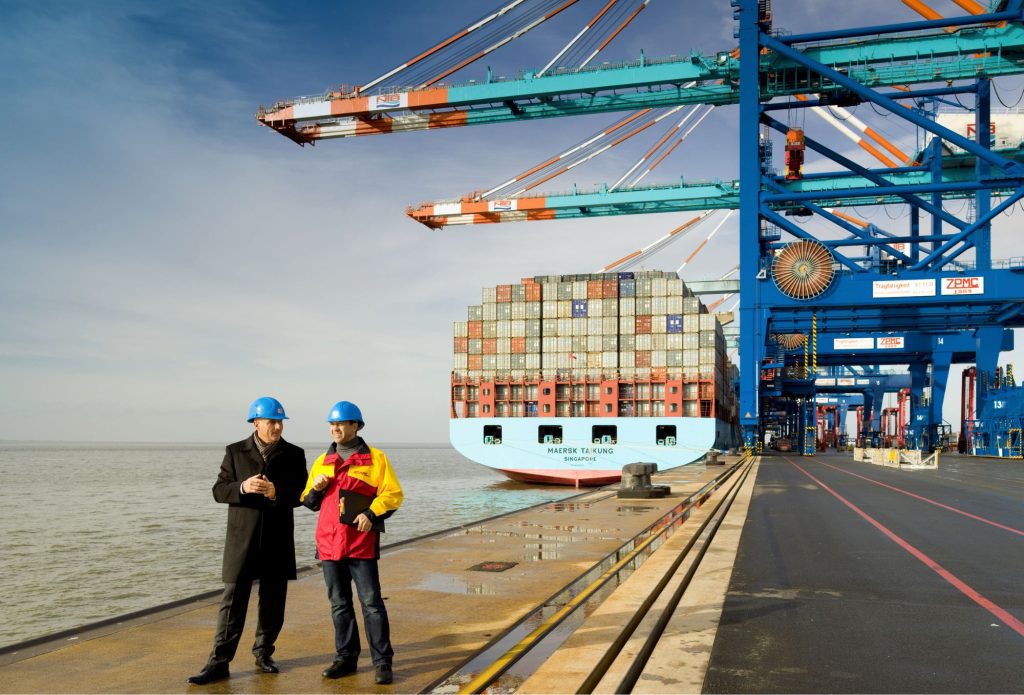
“The UAE is on par with developed markets in terms of the logistics and transport sectors’ share of the economy, at around 10%,” said Olaf Schirmer, Senior Director, of Consumer and Industrial Products and Services, PwC during the Logistics Middle East Leaders in Logistics Summit 2024. The UAE also ranked at number 11 on the Logistics Performance Index for 2018, with Germany at number one, while Saudi Arabia has dropped to 55, behind Oman at 43, he stressed.
“The sector’s impact extends beyond economic growth,” Diallo added. “By facilitating cross-border trade, logistics contributes to regional integration, allowing the GCC states to leverage their strengths and collectively mitigate economic risks through diversification. As the region transitions to more knowledge-based and industrial economies, logistics will remain a critical enabler, ensuring new industries can connect with global markets, attract foreign investment, and ultimately create a more balanced economic landscape.”
The rise of e-commerce
The Middle East is profoundly transforming, with several key trends reshaping its economic landscape. The rapid growth of e-commerce is one of the most significant ones, with the GCC e-commerce market expected to reach $50 billion by 2025.
“This shift is increasing demand for logistics services that can handle high volumes of cross-border and last-mile deliveries, positioning the region as a key player in global supply chains,” Diallo stressed. A DHL report estimated that 71% of UAE online shoppers consider the delivery provider before purchasing, highlighting the importance of logistics efficiency. Additionally, 53% of global shoppers buy from other countries for better prices, increasing cross-border shipment volumes.
“The share of the logistics sector in the region’s GDP will increase significantly as it becomes a key driver of economic diversification”
Vikas Chadha of Jumbo Group

There is no more vital time for e-commerce than the holiday period. As the weather gets colder—or warmer, depending on the hemisphere—the logistics and transportation sector gears up for the upcoming shopping spree. In Chadha’s words, it is “a crucial time for the logistics industry, as demand surges significantly”, and has the potential to strain unprepared supply chains, “particularly in the Middle East, where consumer expectations for faster and more reliable deliveries are rising”.
During this key time, digital platforms are vital in offering real-time shipment visibility and tracking, helping customers monitor deliveries and ensuring goods move seamlessly across borders— even under the pressures of the holiday rush—mitigating delays and maintaining high service standards.
The logical innovation
In order to reach its full potential, the logistics and transportation sector is undergoing a significant transformation. With an estimated 6000+ ships at sea, 20,000+ commercial cargo aircraft and over 70 million commercial road vehicles on a daily basis, the logistics and transportation industry is growing at speed. In addition, companies need to scale digital infrastructure, while also looking to reduce the costs associated with inflation and fuel prices.
To address these challenges, many firms in the sector are investing heavily in advanced technologies, including multimodal transport systems—such as advanced port facilities, integrated rail networks and improved roadways—as well as seeking the widespread adoption of AI, machine learning and IoT tools. “AI is fundamentally changing the way packages actually move from around the world- through the use of predictive analysis to autonomous vehicles, robotics and voice-assisted programs,” wrote Abhinav Chaudhary, CEO, FERO.ai in Logistics Middle East. “As we delve into an era of digitisation, the need for AI in the logistics and freight industry will become inevitable.”
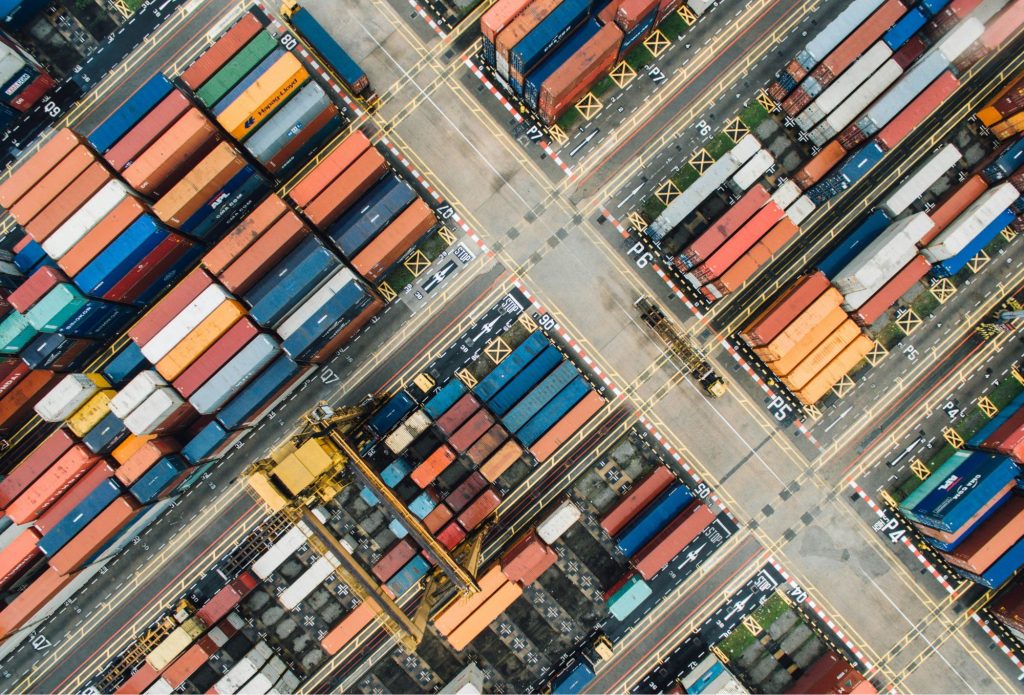
AI has already reached the industry. Currently, research has shown that over 11% of companies in the Middle East have already begun training staff on generative AI, with 40% of top-performing companies in the supply chain industry saying they are currently using AI to predict demand and 31% employing AI-powered supply planning. From autonomous vehicles to predictive maintenance tools and secure communications and tracking systems, AI tools are significantly increasing efficiency, reducing risks and decreasing downtime—driving the industry forward.
“Innovation is at the heart of the logistics transformation in MENA,” Chadha explained. “Companies are embracing advanced technologies such as automation in warehousing, robotics, drone delivery systems and AI-powered forecasting tools.” Jumbo Logistics, for instance, is using digital platforms to optimise shipment tracking and improve transparency across the supply chain. “These innovations not only drive efficiency but also ensure scalability and sustainability, key for staying competitive in today’s dynamic market,” Chadha noted.
Embracing green
With a strong emphasis on energy efficiency and sustainability, the logistics sector is aligning itself with the green economy goals that are emerging across the region. By making strategic investments, GCC nations can transition from oil and build a greener and more resilient, diversified economy.
“Across the region, companies are decarbonising their supply chains, aligning with these national goals to meet ambitious environmental targets,” Diallo said. “Regional governments are pushing for greener solutions and logistics are contributing significantly to carbon emissions.”
The estimated value of the GCC freight and logistics market is $50.72 billion
International trade-related freight transport accounts for nearly 30% of global transport emissions. Thus, environmental responsibility is becoming a priority for the sector. The Saudi Green Initiative focuses on sustainable transport and green infrastructure, while Qatar’s National Vision 2030 and Oman’s Vision 2040 emphasise green ports and rail systems. As the first MENA country to pledge net-zero emissions by 2050, the UAE is leading with its Green Agenda 2030 to reduce its emissions to less than 100 kWh by the decade’s end. In this context, sustainable mobility solutions, such as electric vehicles, energy-efficient warehousing, sustainable fuels and multimodal transportation—integrating road, rail, air and sea transport—are increasingly taking centre stage.
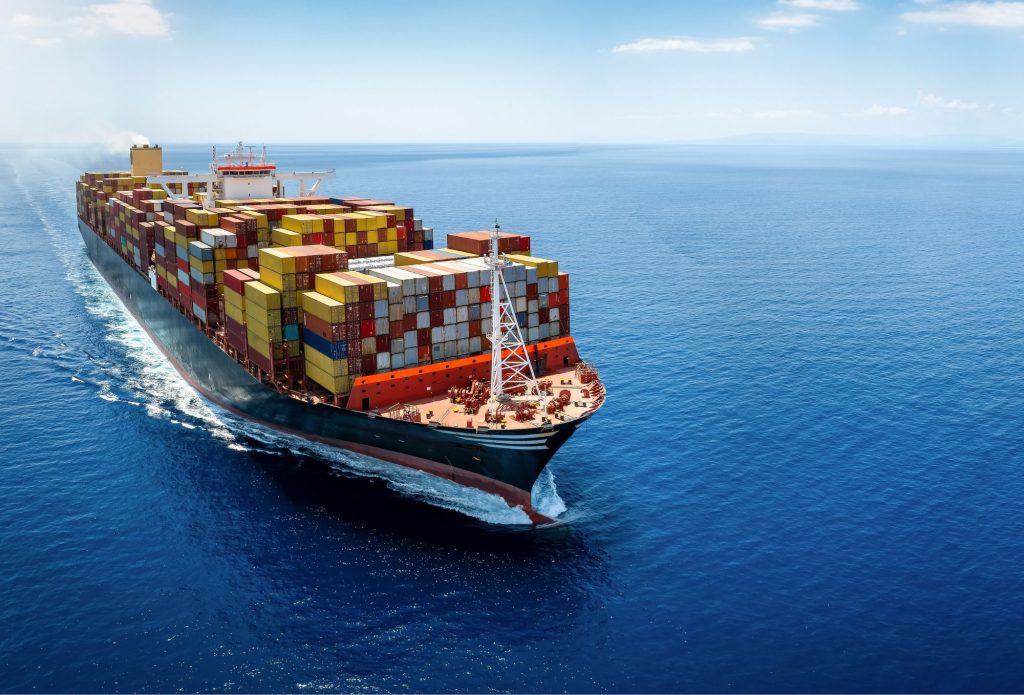
Private companies are also enhancing their green agendas, which Chadha describes as “key for staying competitive in today’s dynamic market”. For instance, DHL has introduced GoGreen Plus, an initiative promoting sustainable fuels, electric vehicles and multimodal transport systems. The company is also involved in building the world’s largest solar plant in the UAE and operating the largest electric fleet in the region. “These efforts are addressing the environmental impact of logistics and responding to the region’s growing demand for sustainable business practices,” Diallo added.
The future of transportation
As GCC countries, including the UAE, continue to emphasise the transition to a non-oil economy, the transportation and logistics sector is expected to grow at a rate faster than the overall GDP. Technological investments, as well as large-scale infrastructure projects such as expanding ports, airports, and rail systems throughout the GCC, are enhancing regional connectivity and strengthening the Middle East’s position as a global trade centre.
“The share of the logistics sector in the region’s GDP will increase significantly as it becomes a key driver of economic diversification,” Chadha said. “Companies that invest in these innovations and align with sustainability goals will be best positioned to succeed in a rapidly evolving industry.”
Looking at the future of logistics, all experts agree that the growing integration of AI and automation will be a game-changer, helping companies optimise their supply chains, streamline decision-making, reduce costs and meet rising consumer demands for faster, more reliable services. But, in the search for speed and efficiency, people and the planet must not be left behind. Integrating digital technologies with environmental and diversity efforts will be critical for ensuring lasting, sustainable growth.