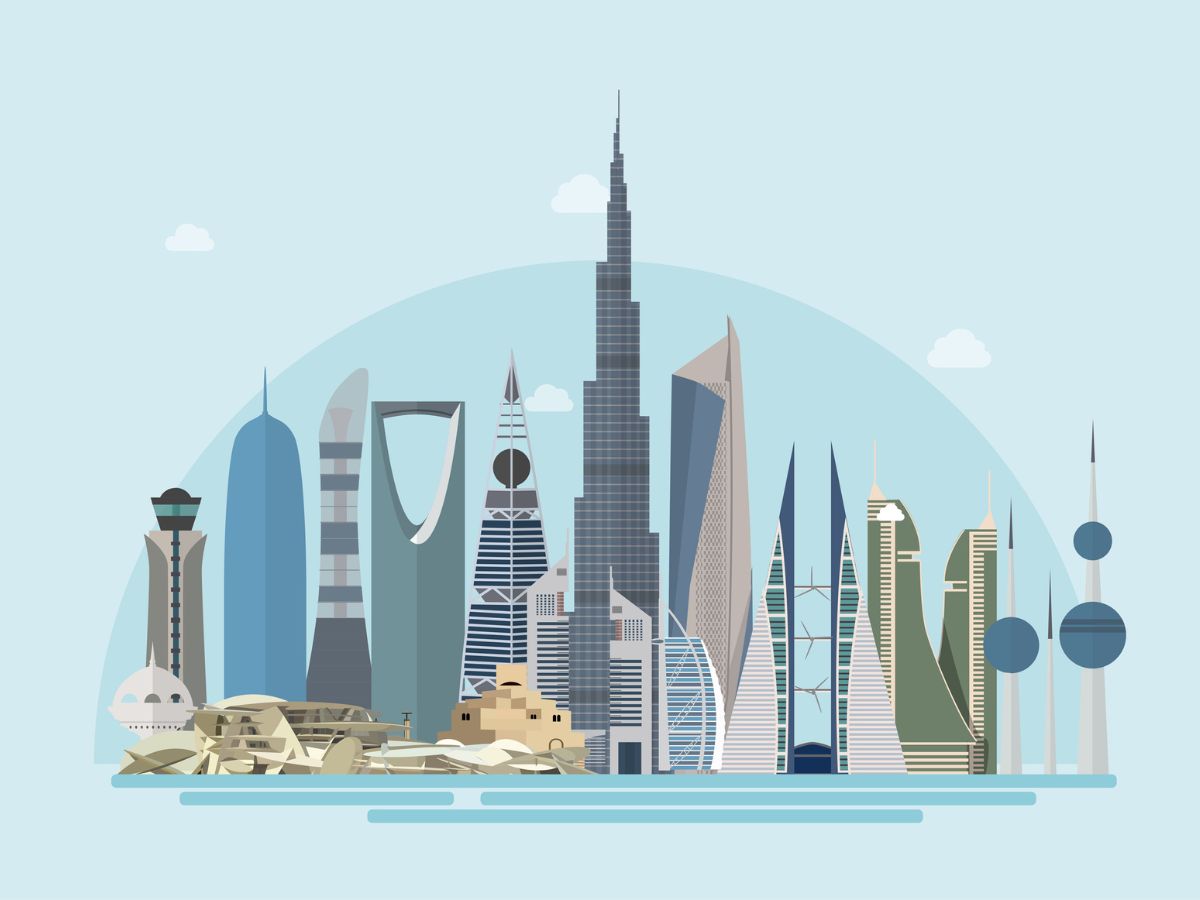
The GCC stock exchanges are undergoing significant transformations, marked by diverse IPO activities, strong market performance and positive economic indicators.
While the first quarter of 2024 showed lower IPO proceeds compared to the previous year, the region’s overall market outlook remains optimistic. Continued regulatory improvements, economic diversification efforts and a robust IPO pipeline are expected to sustain the growth momentum in the GCC capital markets.
Since the beginning of 2024 to date, GCC equity markets have accumulated net inflows of $1.77 billion, underscoring a strong start to 2024, according to Iridium’s GCC Foreign Flows Analysis. So far this year, the UAE has consistently led inflows, contributing $1.67 billion to the total. Saudi Arabia followed with $224 million in net inflows. Meanwhile, Kuwait had mixed performances, posting modest net inflows of $190 million, while Qatar experienced net outflows of -$125 million.
“While we are racing together, we are not competing against each other.”
Hamed Ali
Looking further back at 2023, the GCC stock markets experienced a dynamic year marked by impressive rallies and increased investor participation. Despite the lull, the regional markets put up a good show in raising funds through IPOs. A total of 16 companies came into the market, garnering over $8.8 billion from investors (all these issues were oversubscribed, and the total amount raised was $373 billion, an aggregate oversubscription 42x), clearly evidencing the huge optimism and cash available with the investors.
The GCC witnessed 71 companies entering the capital market since 2020, and the total amount raised was over $134 billion. Four important reasons have led to the growth in the IPOs in the GCC:
- Recent regulatory changes have made investing for foreigners easier and safer. The entry of foreign funds has contributed to the higher subscription levels.
- Promoters are enticed into the stock market by exchanges which provide various incentives for listing.
- The rise of several sunshine sectors which require risk capital has not hesitated to access the capital market.
- Finally, efforts to improve liquidity, such as introducing market-making mechanisms, large-size government companies listing at attractive prices, and easier margin funding, have proved fruitful.
An important fallout of the increasing use of the capital market as a fundraising mechanism has been the lower pressure on the banking system to provide loans to riskier assets. Analysts believe this will lead to a definite improvement in the banks’ asset quality levels. These are radical changes not seen in the past, and they believe them to be irreversible and extremely positive for the long term.
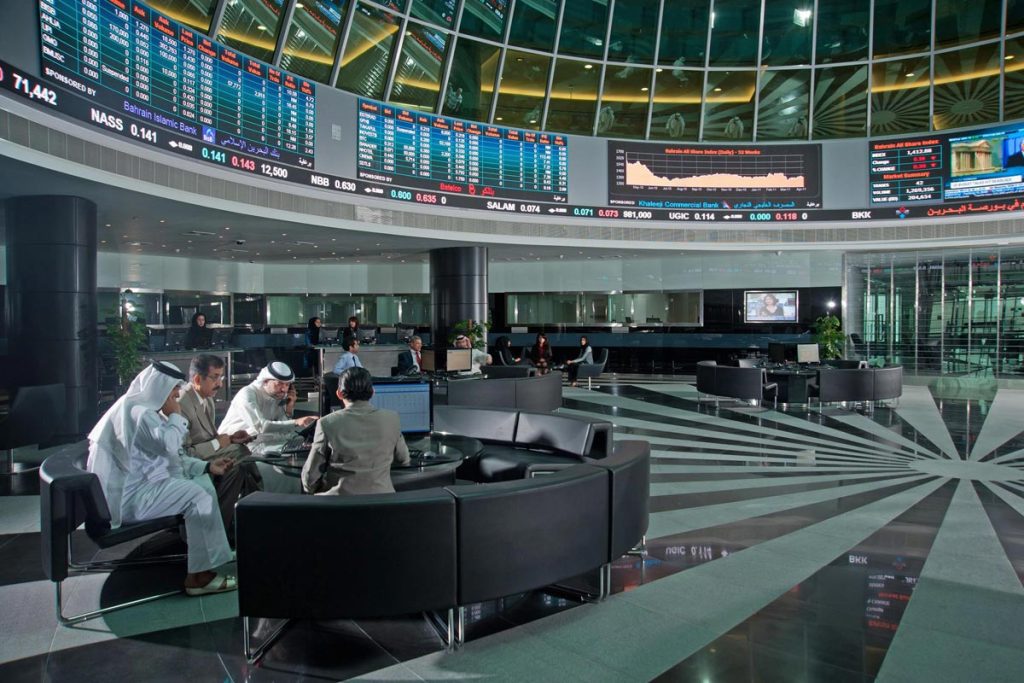
Looking ahead, forecasts indicate a robust growth trajectory for GCC stock markets, particularly in the UAE and Saudi Arabia, supported by strong macroeconomic fundamentals, a dynamic investment landscape, decreasing global inflationary pressures, and expectations of heightened rate cuts.
Anticipated economic expansion, especially in the non-oil sector, is set to gather momentum, driven by significant government spending that will enhance market stability. A continuous influx of IPOs is expected, contributing to the expansion and diversification of the markets. However, investors must cautiously approach these optimistic projections, stay vigilant as markets evolve, and adapt strategies accordingly.
Key focus areas of each exchange
Every stock exchange has its own list of priorities and KPIs, but the underlying goals of these exchanges remain the same: increasing IPOs, incentivising the private sector, diversifying the market and offering different types of products to cater to investors’ needs.
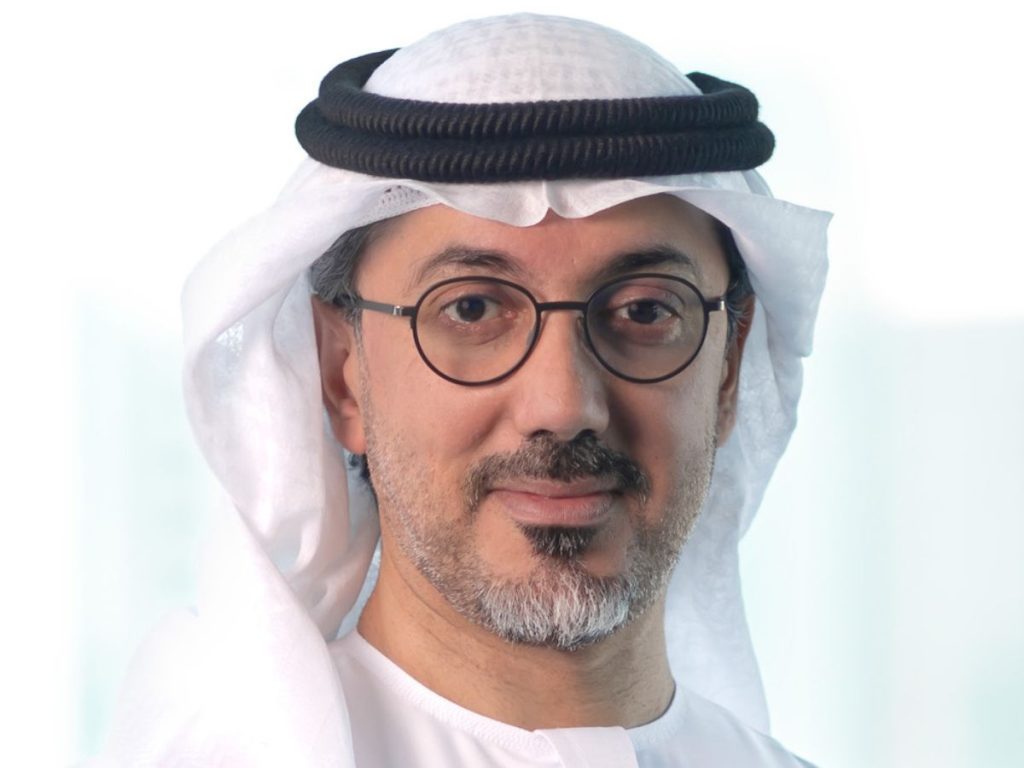
According to its CEO, Haitham Al Sami, the Muscat Stock Exchange (MSX) is currently focusing on boosting market liquidity and fostering an IPO-friendly environment. The focus is on increasing investable capital and creating a robust pipeline of IPOs to elevate the market cap. He stated, “We have a clear five-year strategy aimed at listing the exchange itself and enhancing financial sustainability.”
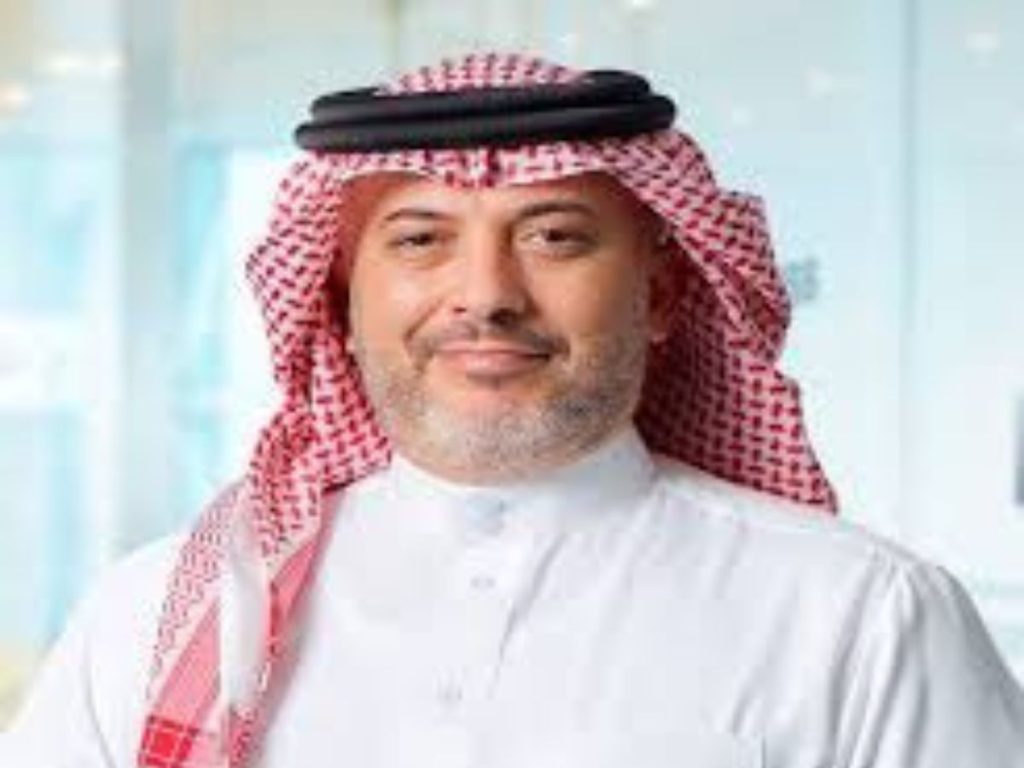
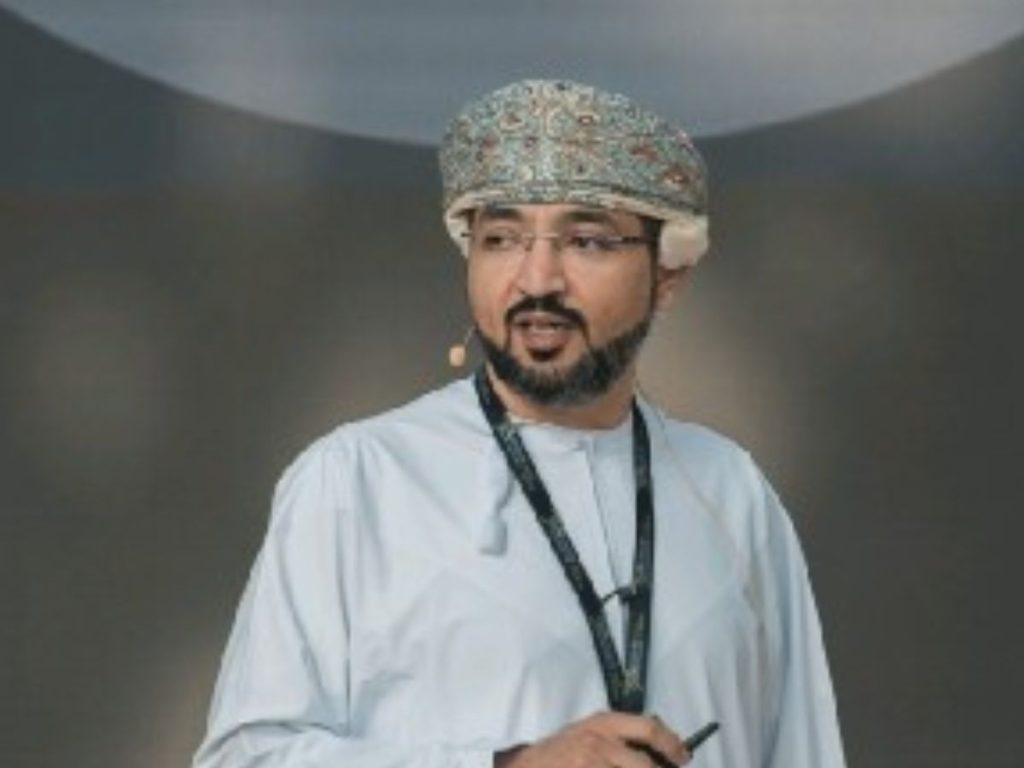
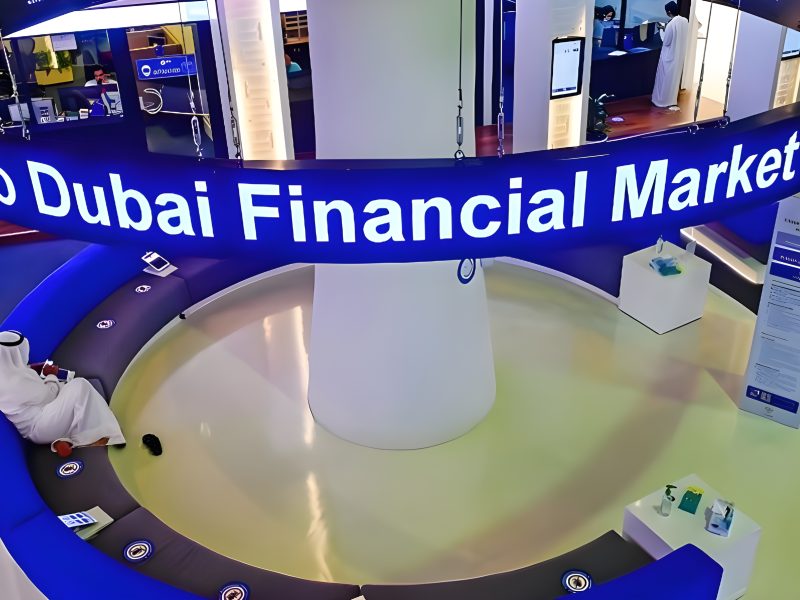
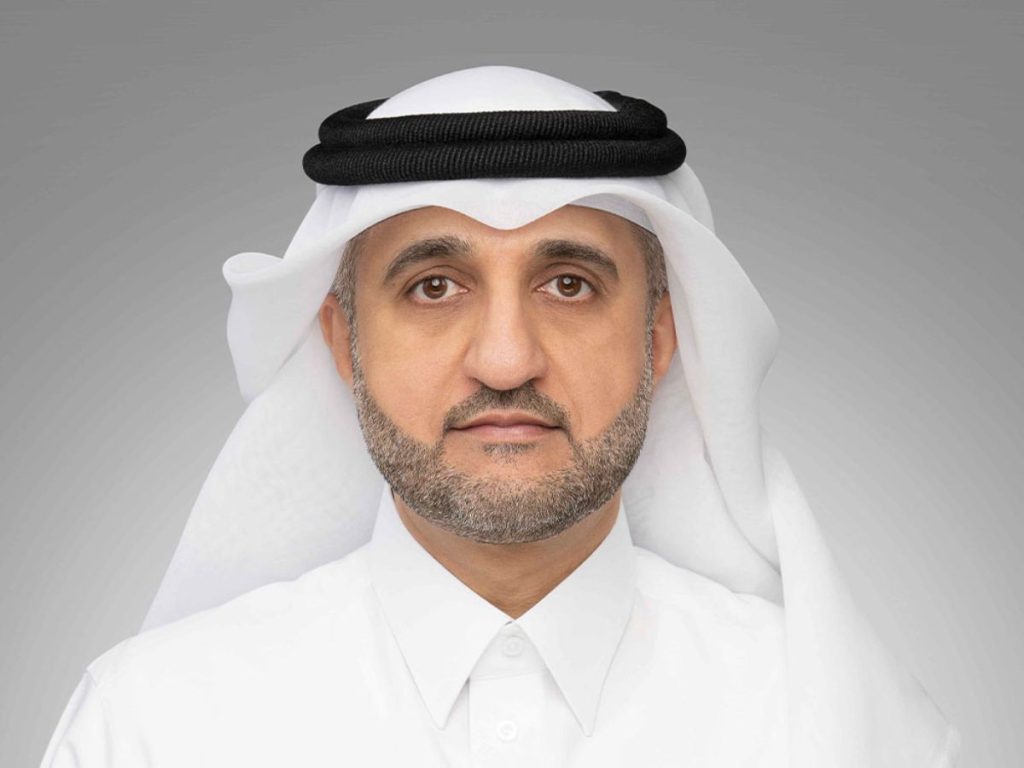
On the other hand, the Dubai Financial Market (DFM) is laser-focused on IPOs and market innovation. Hamed Ali, CEO of DFM, elaborated on Dubai’s strategy, mentioning the recent success of high-profile IPOs and the introduction of new platforms like ARENA. “We have seen immense demand, with the government supporting us by bringing quality assets to the market, which has significantly boosted our index performance,” he said.
The Qatar Stock Exchange (QSE) is heavily focusing on privatisation and market diversification, highlighting efforts to address investor needs through technological advancements and liquidity improvements. “We are incentivising the private sector and diversifying our market with products like ETFs and derivatives,” said Abdulaziz Nasser Al Emadi, Acting CEO of Qatar Stock Exchange.
Bahrain Bourse is working on enhancing market depth through IPOs and improving market liquidity to achieve an upgrade to emerging market status. “Our strategy is shifting from breadth to depth, focusing on fragmentation of the investor base and ensuring sufficient free float in the market,” stated Sheik Khalifa bin Ebrahim Al Khalifa, CEO of Bahrain Bourse.
Governance and FDI
The overarching theme among the GCC stock exchanges is that they are racing together, not against each other. This unity aims to harness collective strengths to foster regional growth. Ali highlighted this sentiment: “While we are racing together, we are not competing against each other. There is room for us to race, and there is room for us to complement each other.” There are three ways of capitalising on this ongoing momentum: through collaboration, diversification and leverage from each other’s innovation.
“Our strategy is shifting from breadth to depth, focusing on fragmentation of the investor base and ensuring sufficient free float in the market,”
Sheik Khalifa bin Ebrahim Al Khalifa
The CEOs of GCC stock exchanges collectively feel the importance of balancing governance with transparency and bringing quality assets to the market. According to Ali, DFM has worked hard to maintain high governance standards without stifling market growth. “We needed to show we mean serious business when it comes to consistency of disclosures and practices,” he said.
Strategies to attract FDI also remain a major discussion point. Al Sami highlighted Oman’s efforts to create an attractive environment for foreign investors, including removing ownership ceilings and enhancing market accessibility. “It’s 100% open for all investors,” he emphasised.
The CEOs agreed on the importance of enhancing regional collaboration to sustain international demand and attract FDI. Regular meetings and joint roadshows are part of this strategy. Hamed Ali mentioned, “Next month, most of us will spend four days in the UK to educate investors about GCC markets.” This collective effort aims to create a more integrated and attractive regional investment environment.
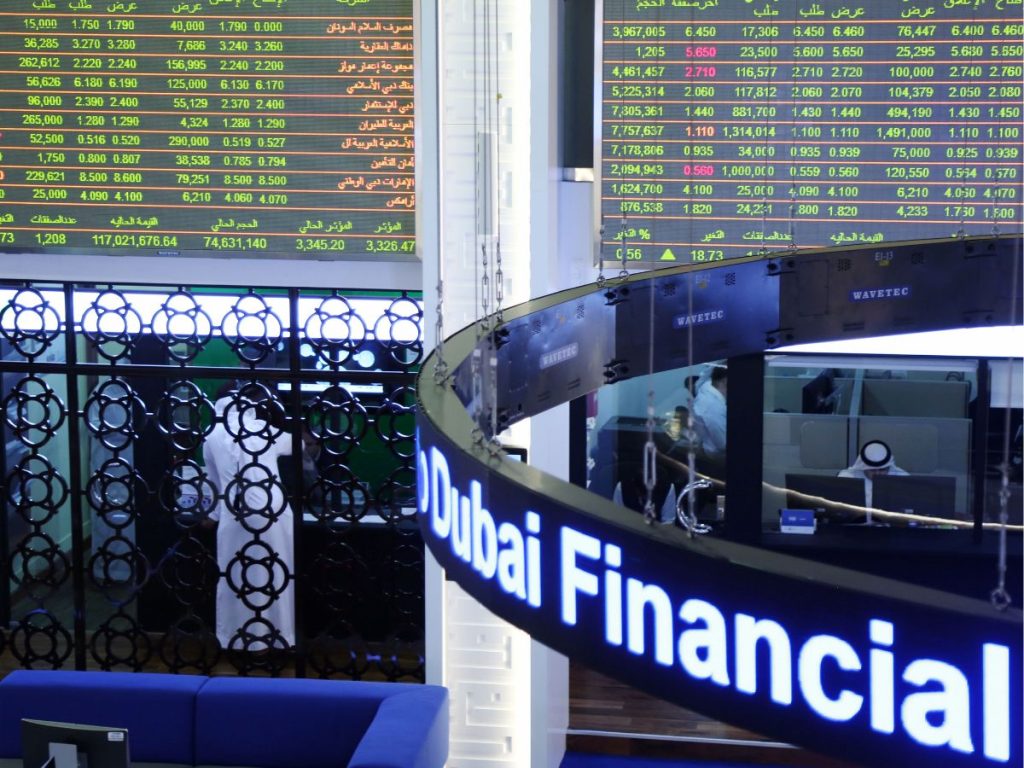
Stock exchange performance overview
Saudi Arabia (Tadawul)
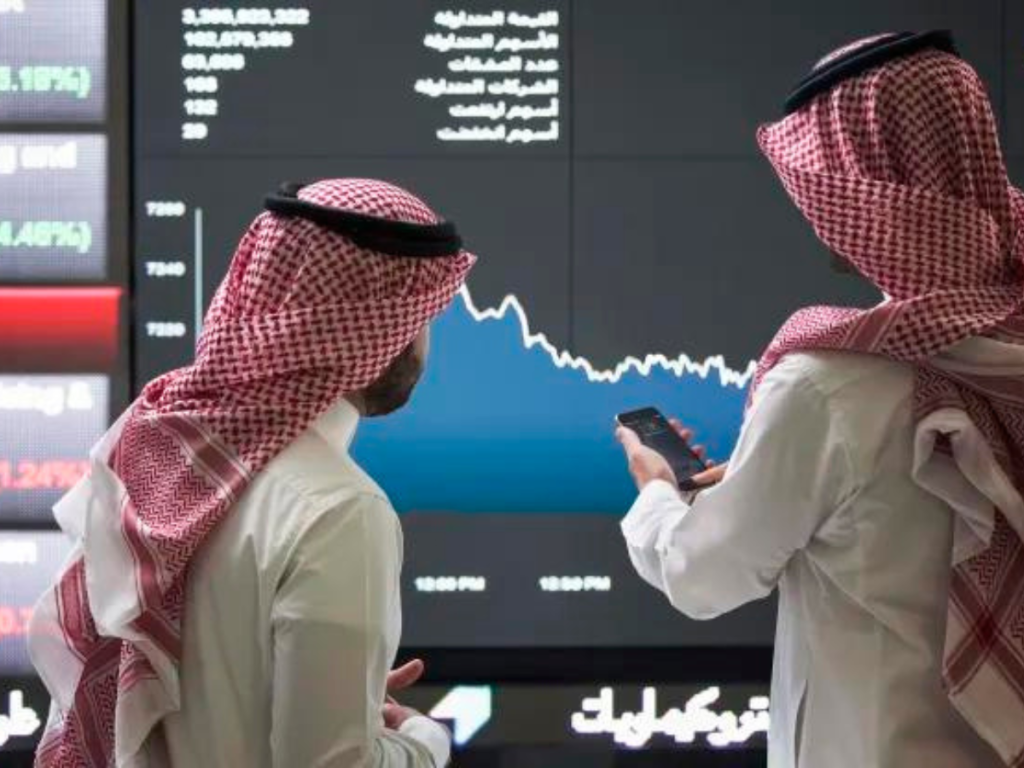
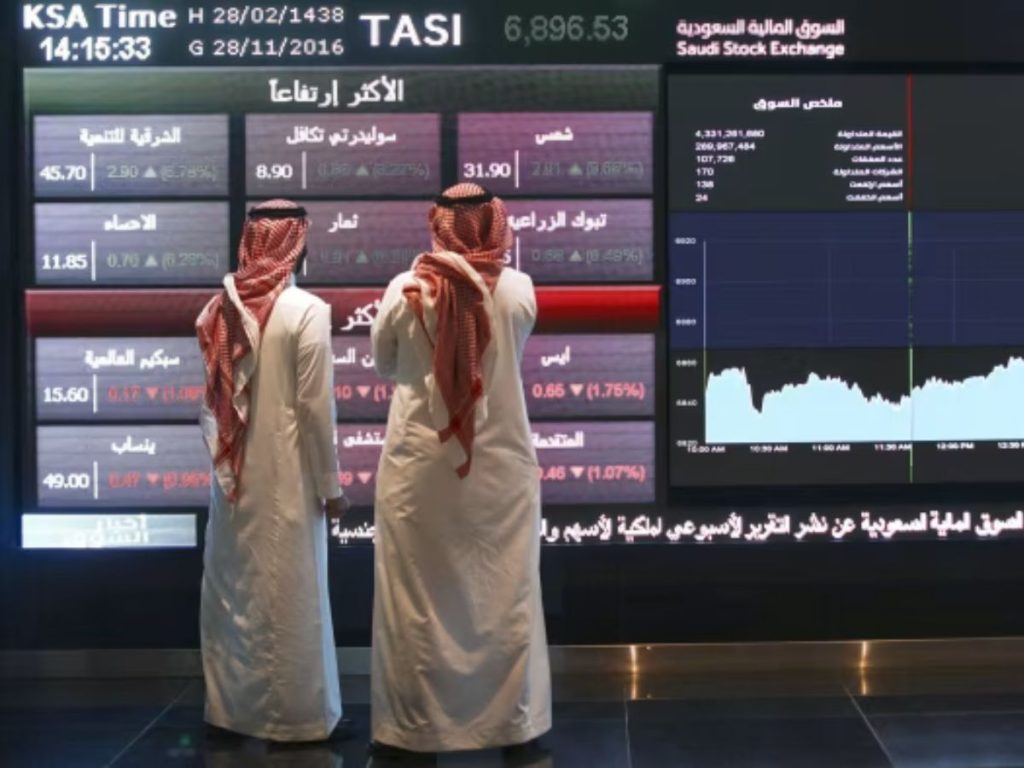
Saudi Arabia has the largest economy and capital market in the region. The recent entry of sectors such as IT, pharma and retail has provided investors with a diverse set of opportunities that are not available elsewhere. Saudi Arabia’s Tadawul remains the most active exchange in the GCC. In Q1 2024, it hosted numerous IPOs, contributing significantly to the region’s capital market activities. The Tadawul main market saw three IPOs raising $667 million, while the Nomu parallel market had six IPOs raising $57 million. Key listings included MBC Group Co. and Middle East Pharmaceutical Industries Co. (Avalon Pharma), highlighting the diversity in sectors, ranging from media to pharmaceuticals.
UAE (DFM and ADX)
The UAE also had significant activity this year, with notable IPOs such as Parkin Company PJSC raising $429 million on the Dubai Financial Market (DFM), the largest IPO in the first quarter. The Abu Dhabi Securities Exchange (ADX) witnessed robust market performance, although specific IPO activity was more concentrated in Dubai during this period.
In 2023, brokerage firms at the DFM opened an impressive 57,054 new investor accounts, a remarkable 12.5% increase. This was driven by strong market momentum, especially following the announcement of the listing of government and semi-government companies. December alone witnessed a 184% year-on-year spike, with 6,088 new accounts opened, fuelled partly by high demand for the Dubai Taxi Corporation IPO.
The new investor accounts enhance the strength of Dubai’s Financial Market, introducing the potential for increased liquidity and trading activities. Brokerage firms in the DFM executed over 3.83 million transactions in 2023, marking a substantial 32.7% annual increase.
Oman
The Omani capital market is going through a transformation phase, with MSX introducing several measures to attract local and international investors. The exchange witnessed two new listings during the year. Both companies belonged to the government sector, and the issues were oversubscribed, indicating the interest in good quality companies.
Market-making regulations have been introduced, and brokers have been licensed to provide services to improve liquidity. Despite an increase in corporate earnings during the year, the stock market remained lull (-4.6%, YTD). This has resulted in MSX becoming the most attractive market in the region, with PE at the 3-year average, low PB, and high dividend yield. Analysts expect value buyers to accumulate large caps and generate positive returns in 2024.
Qatar, Bahrain and Kuwait
These markets showed moderate activity compared to Saudi Arabia and the UAE. However, they are gradually gaining momentum, driven by economic diversification efforts and improved regulatory frameworks. For instance, Qatar’s market is expected to increase activity in upcoming quarters, reflecting its growing economic stability and investor confidence.
Success metrics and future outlook
Muscat Stock Exchange (MSX)
MSX aims to increase market size, attract more FDI, engage the private sector, and diversify the economy. “We are working towards upgrading the market to emerging status, which will significantly enhance our market cap and attract higher dividends,” Al Sami noted.
Dubai Financial Market (DFM)
Ali outlined DFM’s goals to bring more quality IPOs and support the private sector. “Our strategy involves setting up a market that will serve the private sector, evidenced by the high demand and substantial capital raised through recent IPOs,” he stressed.
Qatar Stock Exchange (QSE)
Al Emadi discussed QSE’s focus on incentivising the private sector and diversifying the market. “We are planning to have a robust IPO pipeline and introduce new products like derivatives to cater to investor needs,” he said.
Bahrain Bourse
Sheik Khalifa highlighted the shift towards market depth, focusing on IPOs and improving liquidity. “We are ensuring that there is enough free float in the market to attract more investors and enhance our position for an upgrade to emerging market status,” he explained.
Looking forward
The CEOs of the GCC stock exchanges agree that, while challenges remain, the potential benefits of a more integrated and diversified GCC financial market are too significant to ignore. The leaders called for continued dialogue and collaboration among the GCC countries to overcome obstacles and realise this vision.
The future of the GCC stock exchanges will likely hinge on their ability to adapt to a rapidly changing economic landscape. By fostering greater integration and diversification, the GCC can enhance its financial markets and ensure long-term economic stability and growth for the region.