
Nearly 60% of employees in the MENA region are planning to leave their current jobs soon, according to a new survey by Bayt.com and Markelytics Solutions. The findings highlight widespread dissatisfaction with salaries, limited benefits and toxic workplace environments as key drivers of job turnover.
The MENA Salary Survey 2025—which surveyed over 1,200 employees across the GCC, North Africa, and the Levant—reveals that men are more likely to receive monetary benefits such as bonuses, while women report better work-life balance. The findings also point to widespread dissatisfaction with salaries, particularly among younger professionals, and a high job turnover rate across the region.
The survey reports that 65% of men and 50% of women in the MENA region have switched jobs in pursuit of better compensation or career growth. Among respondents aged 18–25, over 40% have already held three or more roles early in their careers, reflecting high turnover. Meanwhile, 81% of all respondents have been with their current employer for two years or less.
In contrast, employees aged 36 and above report greater career stability, often holding five or more past roles over longer career spans. Regional differences also influence job tenure, with workers in North Africa and the Levant tending to stay longer in roles due to union protections and limited job options. In the GCC, where expatriate workers dominate the private sector, 48% of respondents have been with their current employer for only 1–2 years due to contractual job limitations.
“These findings reflect the evolving priorities of a diverse workforce, where employees expect more than just competitive salaries; they also seek personal growth, stability, and supportive work cultures,” said Jasal Shah, CEO of Markelytics Solutions.
Compensation and benefits gaps
The survey found that 77% of respondents receive monetary perks, such as bonuses and overtime pay, with men more likely to access these benefits. Women, on the other hand, benefit from work-life balance policies, though financial incentives remain limited.
Healthcare benefits are most prevalent in the GCC, where nearly half of employees receive medical insurance, while the Levant reports the lowest access to healthcare coverage. Opportunities for professional development are limited across the region, with North Africa showing relatively higher engagement in training programs. Only 25% of respondents report having flexible work arrangements, while family-oriented benefits like educational allowances or travel support remain scarce.
Salary satisfaction and expectations
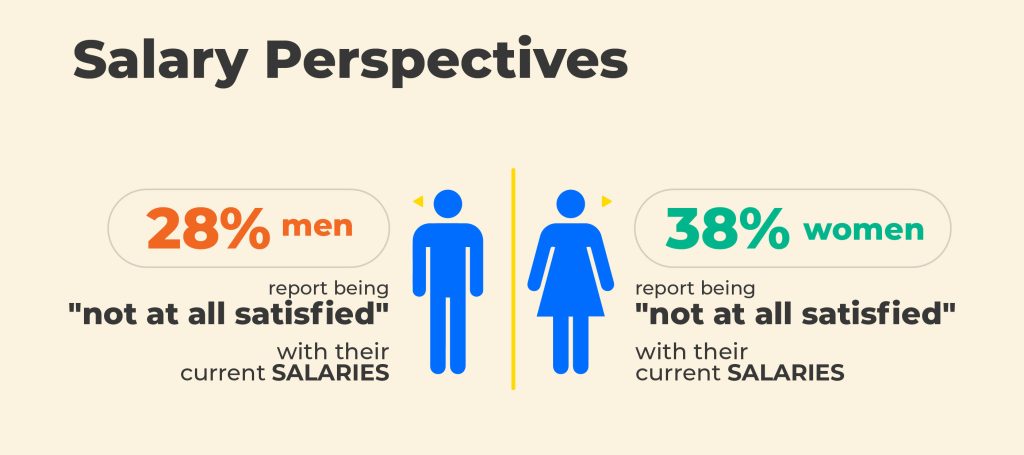
Older professionals (36+) reported higher satisfaction with their salaries and work experiences than younger groups. However, dissatisfaction persists across the board, with 28% of men and 38% of women stating they are “not at all satisfied” with their compensation.
North African respondents expressed the highest satisfaction with management and company culture, while GCC and Levant-based employees cited stagnant wages and limited benefits as key concerns. Proximity to the workplace, strong leadership, and company reputation significantly influence employee loyalty in all regions.
“We’re thrilled to collaborate with Markelytics Solutions on this survey, which shines a spotlight on critical aspects of employee satisfaction in the MENA region,” said Dina Tawfik, Vice President of Growth at Bayt.com. “Through insights on compensation, benefits, and mobility, we aim to help employers optimize their people strategies and empower employees to find workplaces that truly meet their aspirations.”
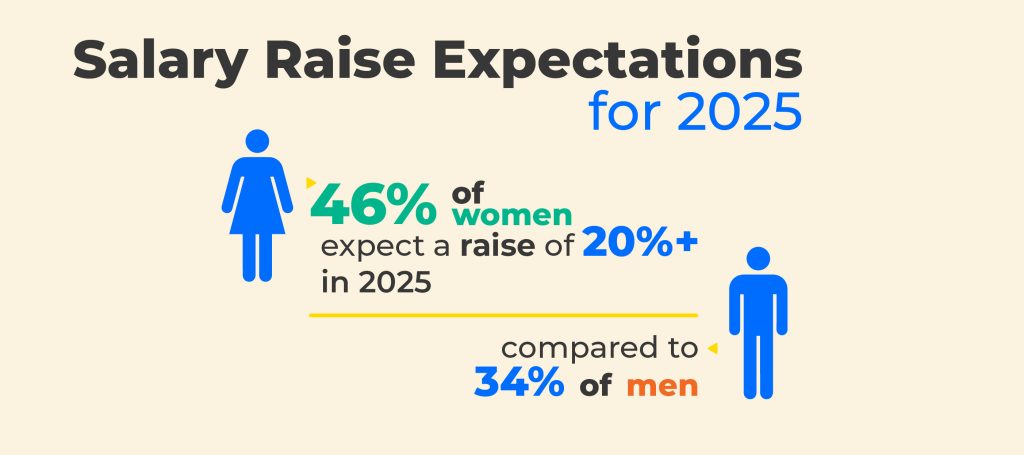
In 2024, 66% of respondents reported receiving no salary increases. However, 46% of women and 34% of men expect 20% or more salary hikes in 2025, reflecting high wage expectations amid economic challenges. North Africa led the region in 2024 salary increases, while the Levant showed minimal optimism for future raises due to economic instability.
Retention issues
The survey revealed that 59% of respondents are considering leaving their current roles in the near future, with younger professionals leading this trend. Inadequate salaries, burnout, and limited recognition were primary motivators for job changes. Toxic workplace environments, including office politics and favouritism, further contribute to dissatisfaction.
A significant 87% of respondents reported switching jobs at least once in the past year, underscoring the urgent need for employers to address retention challenges.
Compensation trends
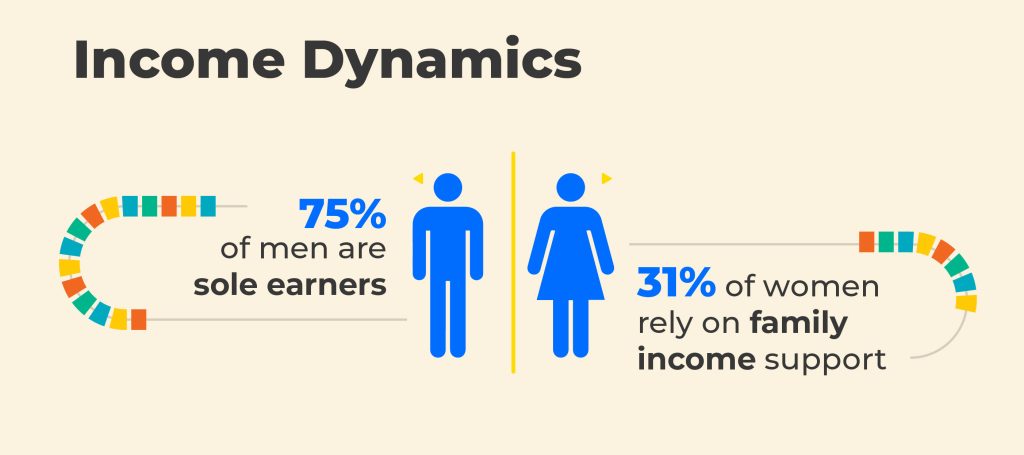
The survey also highlighted disparities in compensation dynamics. Around 75% of men surveyed claimed to be sole earners in their households, while only 31% of women reported receiving financial support from spouses or family members.
Housing allowances and employer-provided accommodations were more common in the GCC, while North Africa and the Levant lagged behind.