The real estate sector in Saudi Arabia is undergoing significant change, characterised by resilience and rapid development, according to CBRE Middle East’s recent market review.
The Kingdom’s diversification is evident, with the non-oil sector now accounting for 56% of the total GDP. Demand has been created across various real estate sectors like residential, office, retail, hospitality and industry.
Several policies initiated in Q3 2025 promise to impact the real estate trajectory. A pivotal change, starting in January 2026, allows non-Saudis to own property, aligning with the Kingdom’s goal of increasing foreign investment to $100 billion annually by 2030.
Additionally, a revised white land tax targets undeveloped areas to curb speculation and foster construction, while a five-year rent freeze in Riyadh aims to stabilise costs for both inhabitants and businesses.
The Saudi development landscape is underpinned by a robust $440 billion in committed projects, with a further $1.55 trillion earmarked for potential long-term investments. As Riyadh gears up to host Expo 2030, urban redevelopment and strategic projects such as NEOM and Qiddiya City illustrate the Kingdom’s ambition.
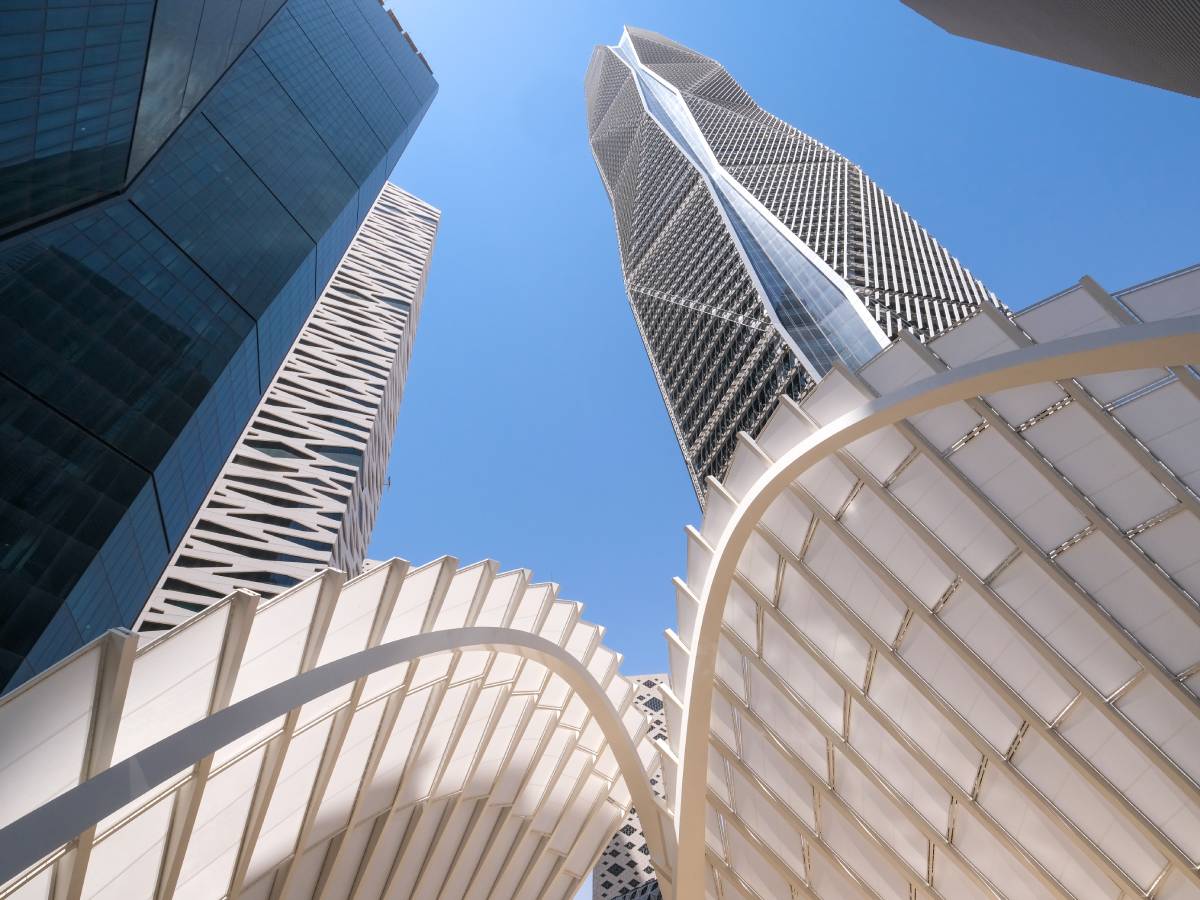
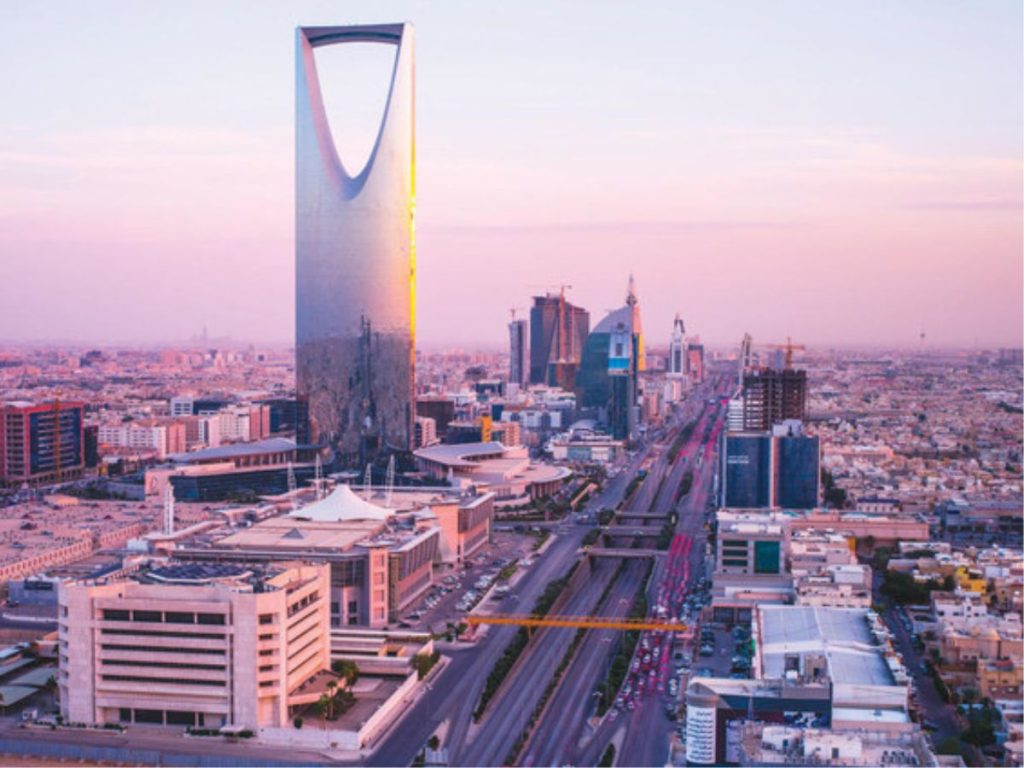
Riyadh’s office market signals strong demand, with Grade A office spaces nearing full occupancy and rents climbing by 15% yearly. The city continues to solidify its position as a business hub, bolstered by infrastructure enhancements like the King Abdullah Financial District (KAFD)’s expanded facilities.
The residential market also shows vibrancy, registering a 17.9% quarterly rise in transaction values, topped by appreciating property prices. The government’s strategic intervention in rent controls could maintain affordability, strengthening investor confidence amid a buoyant property market.
In the retail scene, consumer spending supports steady growth with an expanding pipeline of mixed-use developments. Locations such as Diriyah Square are being reimagined as pedestrian-friendly centres, positioning Northern Riyadh as a key retail artery.
Hospitality underpins a 10% yearly increase in revenue per room, boosted by local investment in home-grown hotel brands and a rise in tourism, signifying a growing impact on the non-oil economy. Riyadh and Jeddah’s varying occupancy rates highlight competitive market dynamics within the sector.