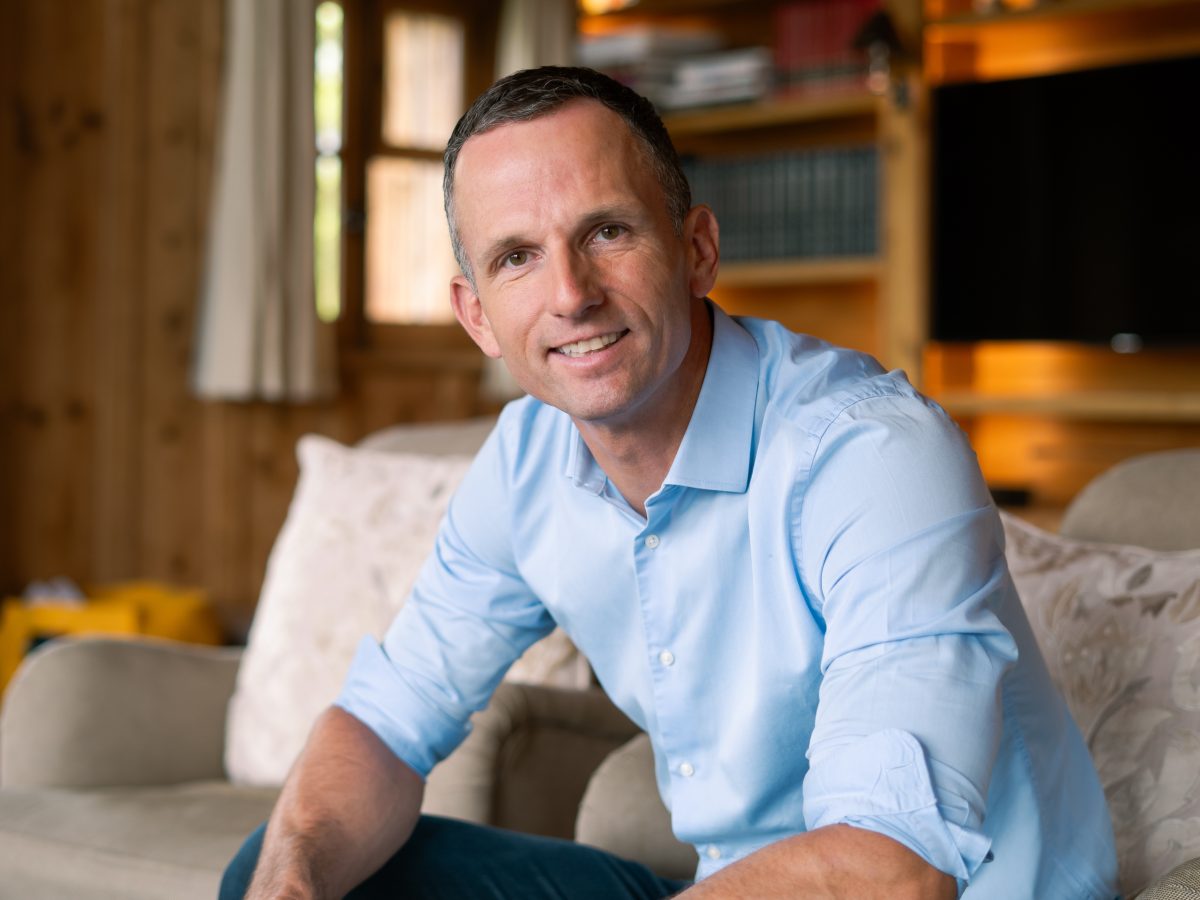
Dubai’s tech landscape is undergoing a seismic shift, drawing attention from global investors and entrepreneurs alike. David von Rosen, a prominent international investor and serial entrepreneur, has emerged as a key player in this dynamic environment.
With a diverse portfolio spanning fintech, gaming, fashion, insurance and real estate, von Rosen’s latest venture, 25 Degrees, represents Dubai’s growing allure for innovators. In an exclusive interview with Finance Middle East, von Rosen shares insights into his investment strategies, the unparalleled opportunities offered by Dubai’s tech scene, and his vision for the future of entrepreneurship in the UAE.
What specific factors led you to invest in the UAE tech scene, and how does it compare to Silicon Valley and other global tech hubs from your perspective?
I have always been a believer that immigration is the greatest driver of innovation–and the UAE is leaps and bounds ahead of everyone else. While Silicon Valley and other global tech hubs might have lots of R&D and state-of-the-art infrastructure, if you lack the talent, you’re not going to get very far. It’s the talent that makes or breaks success for a city.
Even Silicon Valley is struggling for talent now, as the rhetoric in some countries turns against ambitious immigrants. The UAE has never had this problem–and that alone is enough for me to predict it will become the next leading tech hub. Whether it’s workers from India, the US, or elsewhere around Europe, the people who come here want to make things happen. They are not afraid of risk and willing to work hard.
Another reason ambitious and talented people want to come to Dubai is that it has a perfect mix of business and pleasure. Talent is flocking to Dubai because of the economic opportunities, of course. Still, the cultural offering also plays an important part in attracting people: there are not many places in the world where you can work for a high-tech business during the day, go to the beach for lunch, and then head to a world-class restaurant in the evening. That is hugely important for attracting top talent to the region. When it comes to talent, Dubai has the wind in its sails and real momentum behind it–and once a location has momentum, it is very hard to slow it down.
Of course, it’s not only talent that sets Dubai apart. The government is investing religiously in transport, road infrastructure, and innovative work environments to support new businesses. According to a report by the Boston Consulting Group, spending on innovative digital technologies will hit $20 billion by 2026, and greenfield FDI projects continue to snowball, with major players such as Google recently basing their Middle East operations here.
It’s an exciting place to be right now, and I know it’s the best place for my latest tech ventures.
As the founder of successful businesses across various industries, what unique opportunities do you see in the UAE, especially in fintech, gaming, fashion, insurance, and real estate?
I’d say the fintech opportunities in Dubai are very exciting. The city’s business-friendly environment and appetite for risk are perfect for entrepreneurs pushing the boundaries of what is possible within financial services.
I think the transition to a cashless society is a particular trend the UAE is instigating. Some predict the nation could become completely cashless by 2030, leading to a rise in demand for cashless payment apps.
When I speak to global entrepreneurs about Dubai, they always comment on how fast everything moves in the UAE–and how the government, businesses, and people on the ground aren’t afraid to do things differently. As I said, moving to a cashless society is a good example of that in action: while many other countries will have gone through reams and reams of bureaucratic consultations, reviews, and studies, Dubai has just set a bit of a line in the sand–and getting on with it.
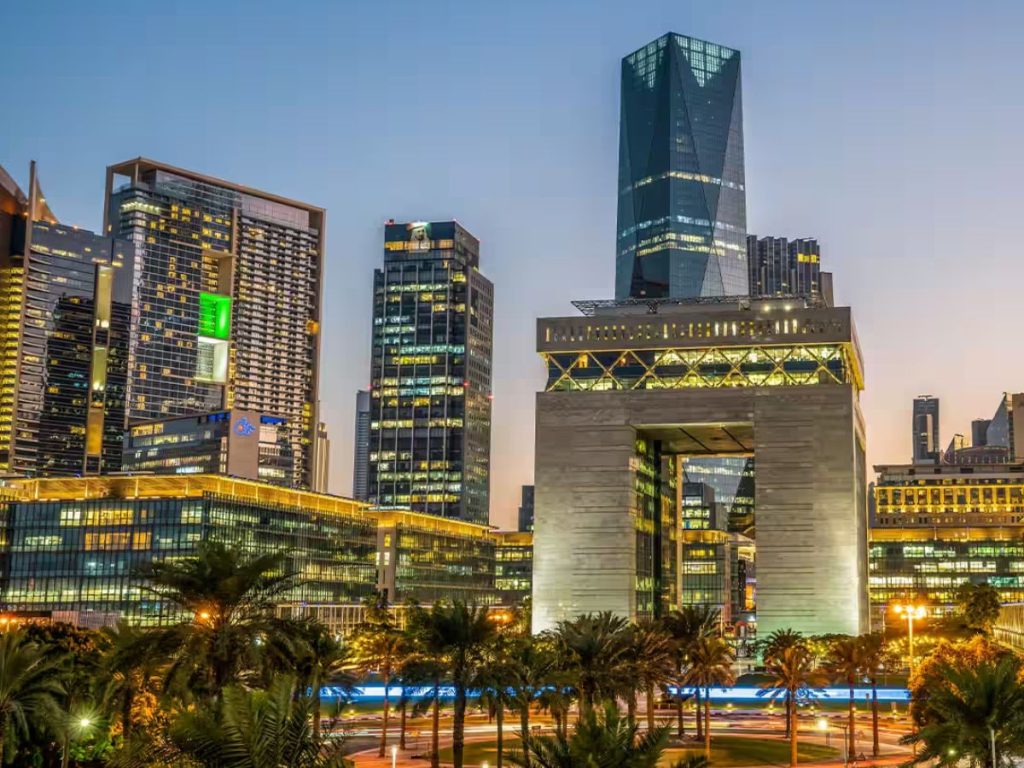
That’s a hugely positive signal to entrepreneurs, especially tech entrepreneurs, around the world that Dubai is focused on the future and willing to provide regulatory support to unlock new industries, whether that’s AI, autonomous vehicles, VR, or otherwise. As a result, if you’re working in an industry that is right at the forefront of innovation, then Dubai is a great place to base yourself and grow.
In terms of investment opportunities, real estate is another big one for me. The number of workers, visitors, and business travellers coming to the city rises year on year, and with that, demand for property is booming. But at the moment, there’s not enough property to accommodate everyone. Sure, Dubai is full of urban apartments, but full-fledged, multi-story houses within private neighbourhoods are incredibly rare– particularly prime properties suitable for ultra high-net-worths.
That is precisely why I launched 25 Degrees. I wanted to introduce European-style villas that would cater to increasing numbers of Europeans and North Americans coming here, offering idealistic views and serenity.
Can you elaborate on your decision to base your next ventures in Dubai and the factors that make it an attractive hub for entrepreneurial endeavours?
I have already covered two of the major reasons for basing my entrepreneurial ventures in Dubai: the deep pool of top-tier talent as well as a government that’s keen to foster an innovative, tech-focused ecosystem in the UAE. The government is willing to make the difficult, quick decisions needed to really support business–and encourage innovative start-ups to base themselves here.
But there are other reasons, too. Firstly, consumers in Dubai are much more open-minded with respect to trying new technology and piloting new models. In the UK and US, for example, many consumers are very set in their ways, and it can be difficult to find ‘early adopters’ who are willing to try different and new ways of doing things. That’s not the case in Dubai. Everyone here is open-minded and focused on finding new and innovative ways of doing things. You cannot undermine the value of that mentality.
Secondly, Dubai is very conveniently located at the centre of the world. Regardless of whether you’re based in Europe, North America, or Asia, Dubai is always convenient and relatively easy to get to. As a start-up and early-stage business, that makes it much easier to manage relationships with international stakeholders–whether it’s suppliers in Asia, consumers in Europe, or investors in the US. Whatever direction your business ultimately takes, you can never go wrong by locating your HQ in Dubai.
Since my earliest venture, I’ve always looked to capitalise on a niche. With Career Concept, I introduced funding to disadvantaged students. At VONROSEN, I launched a members-only fashion club offering discreet but high-quality clothing. Now, with 25 Degrees and FAVRR, I’ve sought to bring about a new style of living in Dubai and a pioneering Web3 platform that could change how people engage with fandom. But the clear distinction here is that there’s an entrepreneurial culture I haven’t felt elsewhere.
Everyone who comes to Dubai wants to climb up the ladder, collaborate with other like-minded people, and give it a good go to make things happen, which I think instils confidence that you will be successful. Yes, the government’s friendly immigration policies and low taxes are great, but knowing that anyone you work with in Dubai will genuinely go the extra mile for you is far more rewarding.
Having already invested around $100 million, could you outline the areas or sectors within the UAE tech landscape where you see the most promising growth potential?
The luxury market is an attractive investment proposition. On one hand, there is a growing middle class that increasingly wants to tap into luxury goods, whether that’s fashion, food and drink, cars, or property. I think there is a ‘blue sea’ of opportunities for companies looking to tap into that market.
On the other hand, the tourist industry in Dubai continues to go from strength to strength. The word is getting out about how wonderful Dubai is to visit as a tourist. This is paired with the government’s determination to bring big international sporting and business events to the city. As a result, more travellers will be looking to tap into the luxury market here–and I expect that that industry will continue to drive the luxury market.
As the founder of a European unicorn, how does Dubai’s business environment and support differ from your experiences in Europe?
The biggest difference is in terms of culture and mindset. While some cities in Europe may have better and more developed infrastructure today, there is an overwhelming sense amongst some people that the economy is in the doldrums–and the best days for the continent are behind us.
I find that this mentality can be a self-fulfilling prophecy, so people are afraid to push forward, try new things, and innovate. There is also a sense of complacency–a mentality that we should just continue doing the same things as we have always done. This culture is at its worst amongst the regulators in some countries in Europe, who are very frightened of trialling new approaches and accepting innovation.
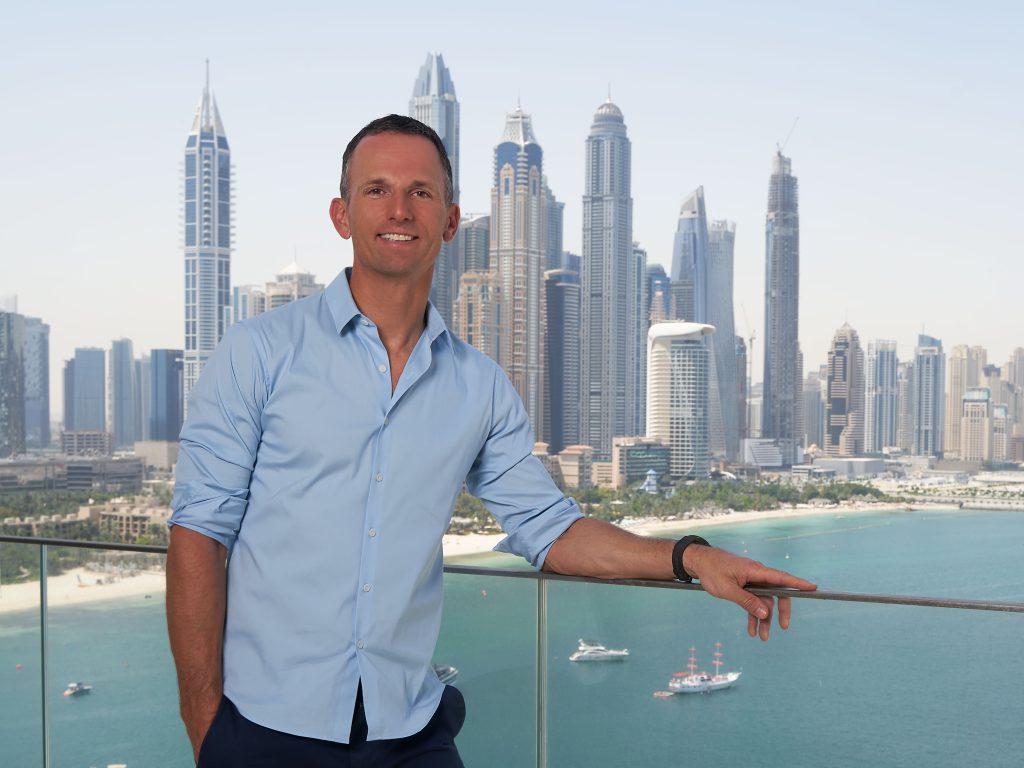
Additionally, while Dubai might be starting from a lower base in terms of infrastructure, its speed means that it is likely to leapfrog Europe on many technologies, such as adopting new fintech, smart highways, and much else.
The other big difference is an attitude to work: there is an active willingness to go beyond the call of duty, work hard, and make your success in Dubai, which sometimes needs improvement in the biggest cities of Europe. I think this comes from Dubai being heavily dominated by immigrants–I’ve always found that immigrants have a very healthy and positive approach to work. I suppose you can put it this way: if you have travelled across the world to find a job and succeed, you are generally in the top 1% of the hardest-working people in the world.
In terms of regulatory frameworks and government support, what role does the UAE play in fostering innovation and entrepreneurship, particularly in comparison to other locations where you’ve invested?
Unlike other regions I’ve been to, particularly in Europe, the administration required to manage your business is far more streamlined in the UAE. You can set up a business in just 4-5 days and be operating in no time. As a founder, I know how daunting it can be to establish a company for the first time. But knowing you can come up with an idea and action it so rapidly naturally lends to an environment seething with innovation.
The government is also working very hard to provide more clarity on regulations. This is something that holds Europe and North America back. The policy-making and regulatory process is very long-winded and convoluted. If you’re pioneering a new technology, it might take decades for the laws to be updated to give you the breathing space to bring your business to market. Even worse, if you’re involved in property development in Europe or North America, you can get tangled up in planning processes for years on end. These delays can be costly and end up smothering a project.
With your extensive entrepreneurial background, how do you foresee the evolution of the tech ecosystem in Dubai and the broader UAE in the coming years?
In my view, Silicon Valley is no longer the leading tech hub, and the fact Microsoft, Google, and Amazon have established HQs in Riyadh speaks volumes. Backed by record FDI investment, never-ending opportunities for progression, and a strategic location between the East and West, the UAE can uniquely poach talent from other business hubs worldwide as no other nation can.
The other thing that’s driving the growth of the tech ecosystem in Dubai is the burgeoning university hub there. Every year, another top UK or US university opens a campus in Dubai. This trend will continue, ensuring that the next generation of talent is attracted to Dubai–but, more than that, after these campuses start collaborating with the big tech businesses that have moved to Dubai, I predict that we’ll begin to see more cutting-edge scientific R&D coming out of the UAE. That could be a real game changer for the region and drive the next decade of innovation in the area.
I see the UAE becoming a leader in technologies like Web3 and AI.
What are your strategic goals and vision for your investments and ventures in the UAE over the next few years?
I have many priorities.
Firstly, I want to find the next generation of tech entrepreneurs with bright ideas and ambition to grow large businesses. I’m looking to invest a lot of money as an angel in these businesses, and I want people to approach me actively. I have spent a lot of time on the ground getting to know the entrepreneurial ecosystem, and I’m drawn to ambitious people who aren’t afraid to challenge conventional wisdom.
Secondly, I’m focused on scaling my property business, 25 Degrees, which is building top-quality, unrivalled European-style villas in the region. We’ve built our first properties in Palm Jumeirah, but we hope to gradually expand across all the major hot spots within Dubai and aim to sell 100 homes a year by 2030.
Finally, outside of business, I just want to enjoy everything Dubai offers: extreme sports, world-class food and drink, sun, sea, and sand. I want to invest hard and grow businesses here, but I also want to kick back occasionally and just soak in the city.