More than ever before, Dubai has become the destination of choice for high-net-worth individuals looking for a new or second home. The huge influx in population has driven up the cost of luxury real estate, with sale prices of super-luxury residences in Dubai going up as much as $4,000 per square foot in 2023, according to the 2024 Sotheby’s International Realty Luxury Outlook Report.
The spillover effect from strong high-end property demand has also resulted in rising interest in luxury furniture.
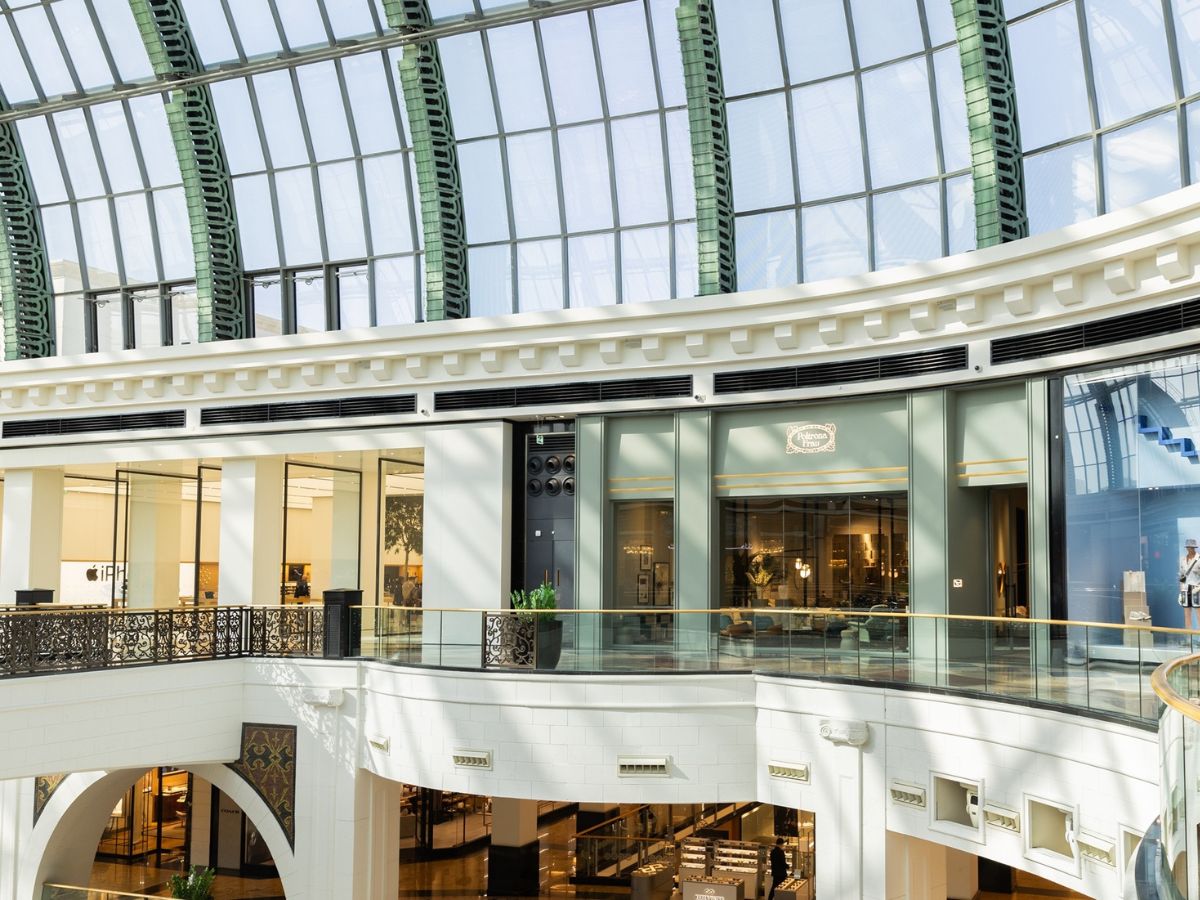
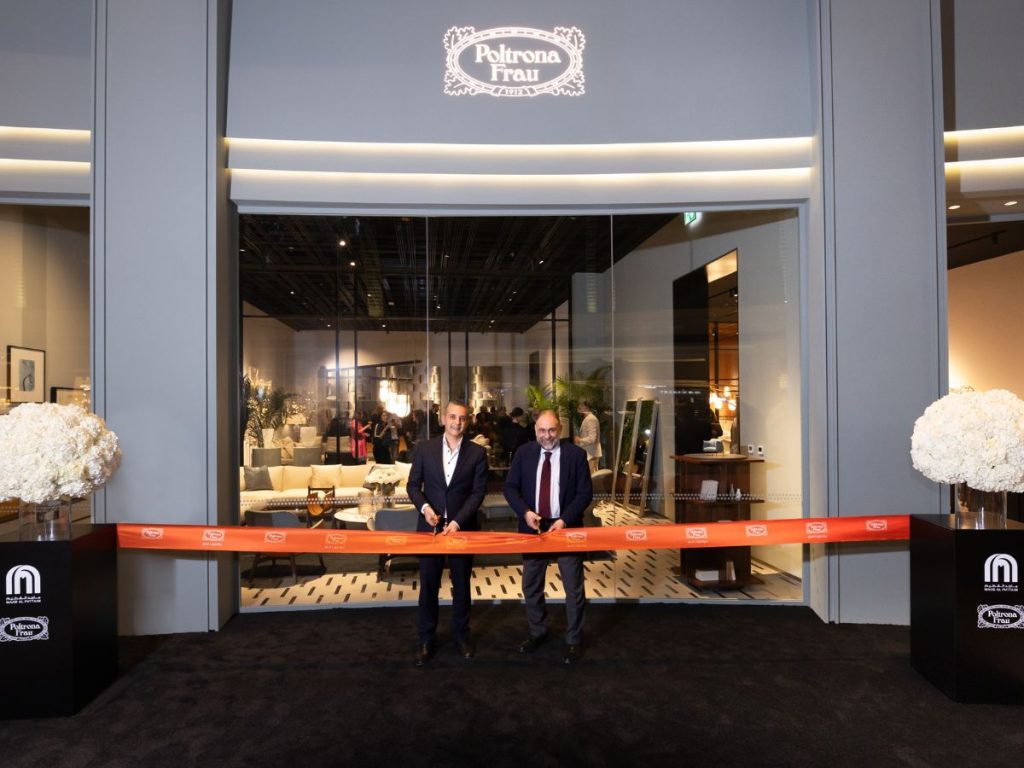
“Dubai is at the crossroads of three continents,” Nicola Coropulis, CEO of Italian luxury furniture brand Poltrona Frau, told Finance Middle East during the opening of the first Poltrona Frau store in the UAE, located in Mall of the Emirates. “It seems like some of the problems that Western economies – and nowadays, also China – are facing, here [in the Middle East] are very distant. This is very good fuel for consumer confidence, which of course, is strictly related to the growth in the retail sector.”
Faced with the expectation of an economic slowdown in the year ahead, international luxury brands are increasingly choosing to expand into the MENA markets, particularly those with a booming retail industry. In this context, Dubai has become a dream destination, not only as a centre of economic activity in the region but also as a door that could allow brands to tap into new markets in Africa, Asia and the Middle East, which present a “huge untapped potential”.
“The [global] economic forecast doesn’t look very dynamic,” Coropulis added. “This means that we have to leverage the good seeds that we’ve planted in places like Dubai, and we have to keep the focus on those areas that are actually thriving.”
Just one year after the pandemic, the demand for luxury goods across the six-member economic bloc of GCC had fully recovered, as sales grew 23% from levels seen in 2019, according to a report by Chalhoub Group, in collaboration with Saudi Arabia’s Ministry of Culture. This upside trend is expected to continue, with the UAE luxury retail goods market predicted to be worth $4.19 billion in 2024, and $5.39 billion by 2029.
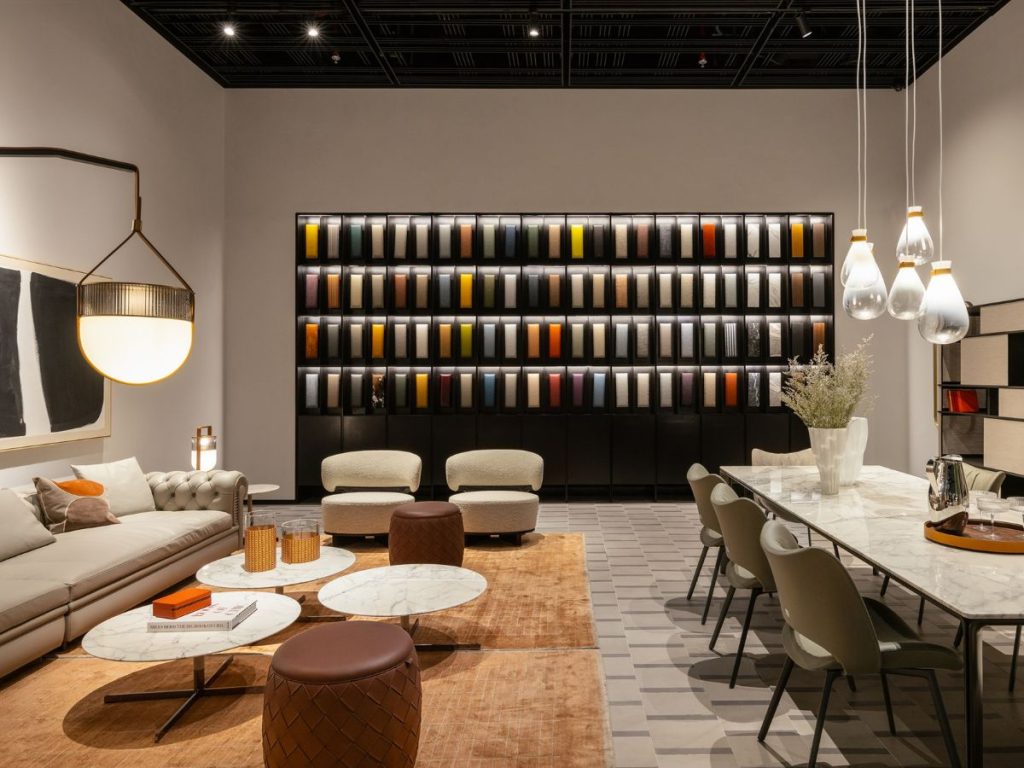
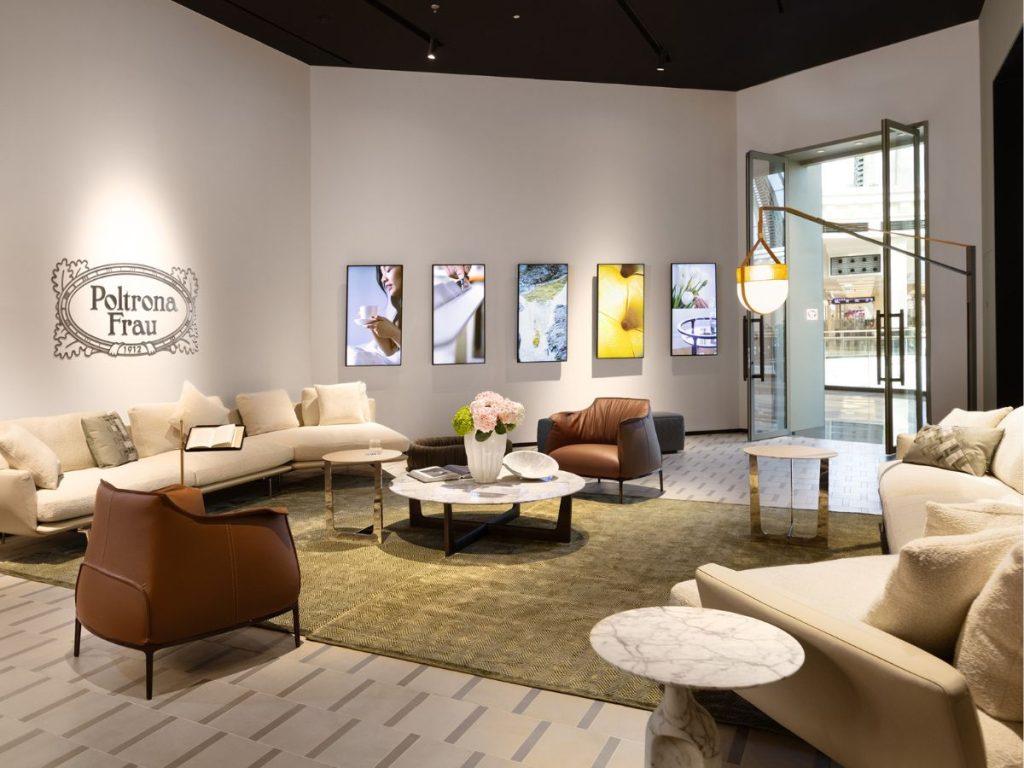
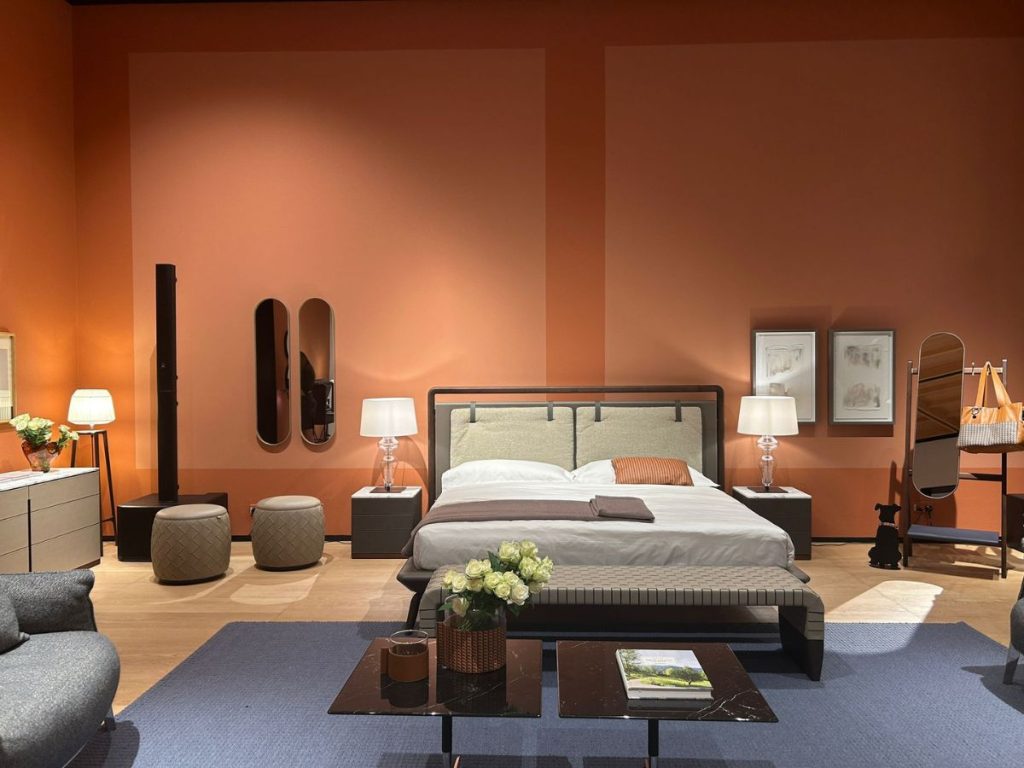
International luxury brands are keen to enter the Middle East market – and local companies are taking advantage of this opportunity. Majid Al Futtaim – one of Dubai’s biggest private sector companies – is an example of a company that has learned to leverage the convergence of interests as a gateway into new markets.
“We’ve had a great year,” Fahed Ghanim, CEO of Majid Al Futtaim Lifestyle told Finance Middle East. He is right. The company recorded a net profit of Dh1.7 billion for the first half of 2023, marking a 74% year-on-year increase. And, although the firm has not yet released its financial results for the second half of 2023, Ghanim seems optimistic that they will showcase a continued increase in profits.
A key aspect of Majid Al Futtaim’s success has been its relationships with international brands. In 2022, the company signed an omnichannel partnership with Japanese beauty brand Shiseido, which led to the opening of the only Shiseido Ginza store outside of Asia. Similarly, Majid Al Futtaim announced in 2023 that it would be acquiring the rights to sell the products made by Italian luxury furnishing and interior brand Poltrona Frau in the UAE. Since the partnership began a little over 12 months ago, the Italian firm has seen around 30% growth in the country, with revenue expected to double in 2024.
“We have seen an influx of high net worth coming from around the world, choosing Dubai to become their first or second home, and that has seen a spike in demand for luxury homes,” Ghanim said.
“Customers in the Middle East are well-travelled and have high expectations – they have raised the bar. You don’t really get their money by default. You have to really earn it by having that genuine and authentic service. So, we shifted from selling products towards building those relationships to ensure that business growth is actually sustainable growth.”
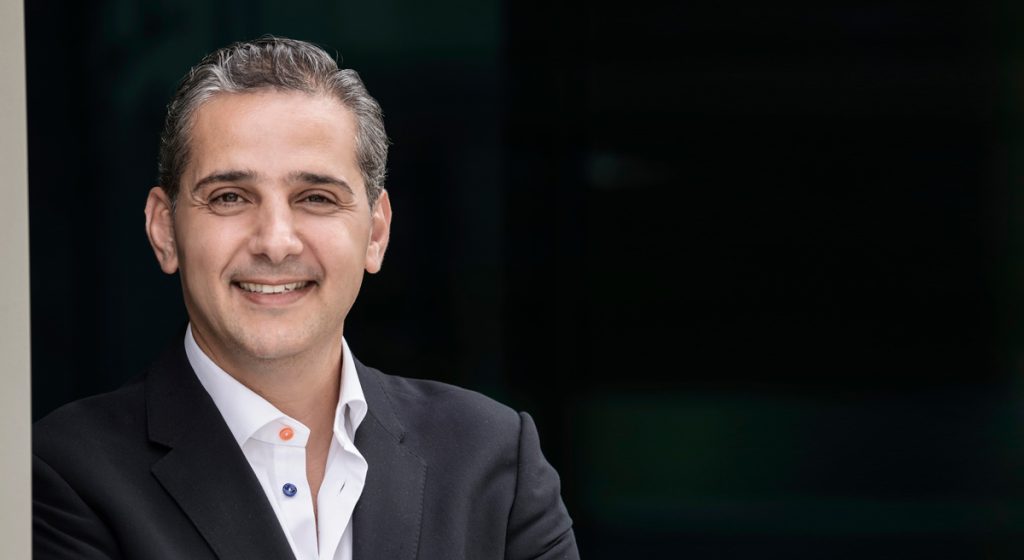
The arrival of international capital is not the only driver behind the success of the retail sector in Dubai. Customer behaviour is also a key aspect to take into account. High-quality and sustainable products, world-class design, dedicated customer services, as well as a presence in digital channels and emblematic locations, customers of luxury brands are increasingly making more demands of the brands they choose to support, and their requirements are changing rapidly. Dubai–more than most cities worldwide–has been able to adapt to cater to these needs.
The emirate fostered a climate of fast-paced innovation that allows the companies headquartered there to react to rapid changes in the global economy and customer behaviour, brought about by technological advances and global developments such as the Covid-19 pandemic.
“We’re quite privileged to be in the UAE,” Ghanim said. “It’s a case study for the world in terms of raising the bar, in terms of aiming to be a global number one in finance and achieving it. Personally, it has taught me to dream big.”