The world is experiencing an embedded finance revolution and the Middle East is one of its key hotspots. Estimates by Juniper Research predict that the global embedded finance sector will reach a value of $228 billion. In the MENA region, this sector is currently worth $10 billion, a valuation that’s projected to grow by 45% by 2030.
ABHI is a company at the forefront of this journey. Founded in 2021, ABHI provides earned wage access to employees, which allows them to withdraw their earned salary any day and offers employers payroll solutions and SME financing. To date, the firm has established partnerships with over 550 companies impacting more than 750,000 lives. As part of its growth, ABHI recently established its headquarters in the UAE, receiving the support of Hub71 and the Abu Dhabi Investment Office (ADIO).
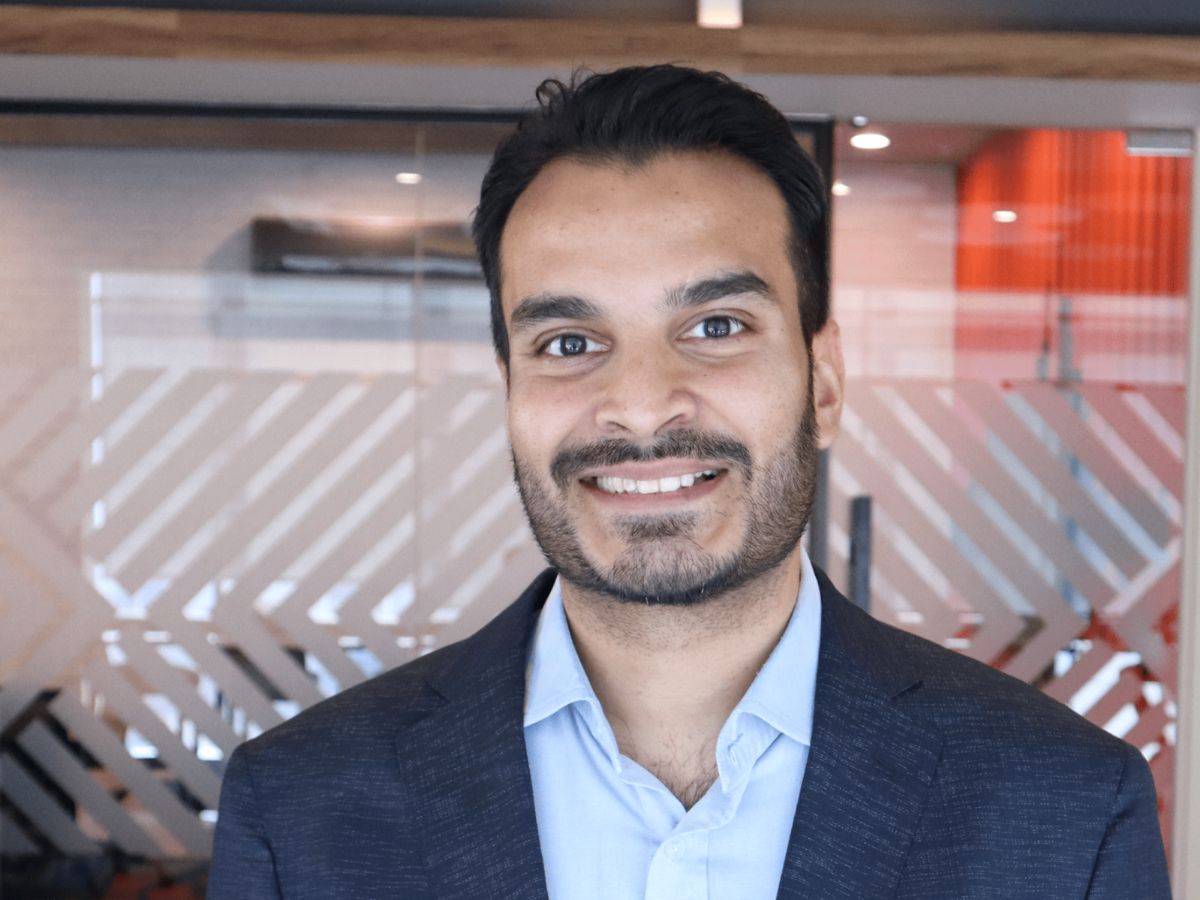
Omair Ansari is the Co-Founder and CEO of Abhi, With over 16 years of experience in Investment Banking, Ansari held multiple positions at Morgan Stanley including Portfolio Manager and Investment Analyst, before embarking on the ABHI journey. Speaking with Finance Middle East, Ansari reflected on the Middle East’s startup landscape and the key qualities that drive founders to success.
What drove you to join the startup world?
Having lived in over nine countries and worked extensively in emerging markets, I saw firsthand the financial struggles people face, especially the barriers to accessing funds when they need them most. This experience fueled my commitment to financial inclusion and a desire to solve real, everyday problems and create something meaningful from the ground up.
When the pandemic hit in 2020, it accelerated shifts across industries and created an unprecedented boom in the startup space. My co-founder and I saw this as the perfect moment to step up and address gaps that traditional financial players often overlook. The startup environment gave us the freedom and agility to innovate, staying close to our customer’s needs and developing impactful solutions. Today, I’m proud that our products offer financial services that empower people across regions but also contribute to building a more inclusive global economy.
Why did you choose the Middle East as the place to start/expand the business?
The Middle East, a global tech hub, provides an exceptional environment for innovative financial solutions, making it a strategic choice for ABHI’s expansion. Positioned as a rapidly advancing tech region, the Middle East combines a strong commitment to technological development with forward-thinking policies that promote growth in the finance and technology sectors. This supportive environment aligns perfectly with our mission to provide financial solutions that empower employees with greater financial control and flexibility.
The region’s dynamic business ecosystem, collaborative spirit, and enthusiasm for embracing new ideas have been crucial in our decision to expand here. As a Hub71 startup, we’ve benefited from unparalleled access to investors, industry experts, and mentors who have helped us refine our approach and accelerate our impact. Hub71’s collaborative ecosystem and strategic location in Abu Dhabi have also opened doors to key regional markets, enabling us to scale efficiently while staying close to our mission of financial inclusion. The support from Hub71, ADIO, and regulatory bodies like DIFC and ADGM has been invaluable, helping us integrate smoothly and build meaningful connections within the industry.
Moreover, the Middle East serves as an ideal gateway to surrounding markets including Africa, South Asia, and beyond. This strategic location allows us to expand our reach and meet the evolving financial needs of employees in a diverse set of regions, driving financial inclusion and economic resilience.
How would you describe the region’s startup scene in three words.
Dynamic, Innovative, Collaborative
Is there something that has surprised you in your journey?
What has surprised me the most is the incredible pace at which innovation can transform industries and improve lives. We knew the potential for financial inclusion was huge, but the rapid adoption by people, companies, and governments has been truly inspiring. For example, the payments we processed have grown nearly 5x from 2022 to 2024, highlighting the strong adoption rate and demand for these solutions. It’s amazing to see a vision take shape so quickly with the right combination of talent, technology, and market readiness.
What are (in your view) the keys to approaching investors successfully?
When it comes to approaching investors successfully, three key elements are crucial: clarity, alignment, and trust.
Firstly, a compelling, well-articulated vision is essential. This vision should not only demonstrate the market opportunity but also highlight the impact of your solution. Secondly, alignment is key. Ensuring that your values and vision match the investor’s goals and fosters a stronger, more collaborative partnership. Lastly, trust is fundamental. Building credibility through transparency, consistent communication, and showcasing your team’s ability to execute helps establish long-term, trustworthy relationships with investors.
What was the most challenging part of raising funding and how did you overcome it?
The most challenging part of raising funding was navigating the uncertainty and scepticism that came with pitching a relatively new concept—Earned Wage Access, especially in emerging markets. It was a unique model, especially in our first market, Pakistan.
To overcome this, we focused on building a strong, data-driven narrative that demonstrated the clear need for our product, backed by real-world examples and market research. We also focused on building trust with investors, highlighting our team’s ability to execute and our deep understanding of the market’s pain points. By being persistent, transparent, and confident in our vision, we were able to gain the support we needed and prove that our solution had the potential to disrupt the industry.
What is the best piece of financial advice you have received?
The best piece of financial advice I’ve received is that financial discipline and patience are just as important as innovation. While it’s easy to focus on rapid growth and breakthroughs, ensuring long-term success requires making thoughtful, sustainable decisions. This involves building resilience in both operations and strategy, allowing for adaptability in uncertain environments.
What has been your biggest success and your biggest failure?
My greatest success has been building a strong, resilient team that not only shares our vision but embodies our values. This collective strength has been instrumental in driving our growth and innovation. Additionally, maintaining a steadfast focus on profitability has allowed us to navigate shifting funding environments both domestically and internationally, ensuring long-term sustainability.
On the other hand, one of my failures was entering certain markets prematurely, which stretched our resources and delayed our ability to establish a strong foothold.
From these experiences, I’ve learned the importance of patience and due diligence—whether it’s ensuring new hires align with our culture or waiting for the right moment to enter a market. These lessons have reinforced the value of strategic focus and long-term planning in achieving sustainable success.
What is the best quality a leader can have?
The best quality a leader can have is vision. A great leader can see the bigger picture, anticipate future opportunities, and chart a course toward long-term success. This vision provides direction, inspires action, and keeps the team focused on the goal, even in the face of challenges. Coupled with vision, empathy becomes equally important, which allows a leader to connect with their team on a personal level, understanding their motivations and challenges.
Where would you like to be in five years’ time?
In five years, I envision myself transitioning the leadership of my company to the next generation of leaders through a well-structured succession plan. By then, I hope to have built a strong, self-sustaining organisation where innovation, collaboration, and a clear vision for the future are deeply embedded. Ultimately, I aspire to see the company continue making meaningful impact on financial inclusion globally.