Will the UAE be able to build a new Silicon Valley? Through vehicles such as Hub71, the country is working tirelessly to attract exciting new businesses to its shores, including some of the most promising California tech startups. One of these is Bluwhale.
Bluwhale is building an infrastructure for AI to scale on blockchain data in real time, with
personalisation, recommendation, and contextual search through API integration. As of March 2024, the company had already signed up 180 companies to use its AI platform and indexed more than 270 million wallets. Earlier this year, Bluwhale closed a $7 million seed round led by SBI. But where do its founders want to go?
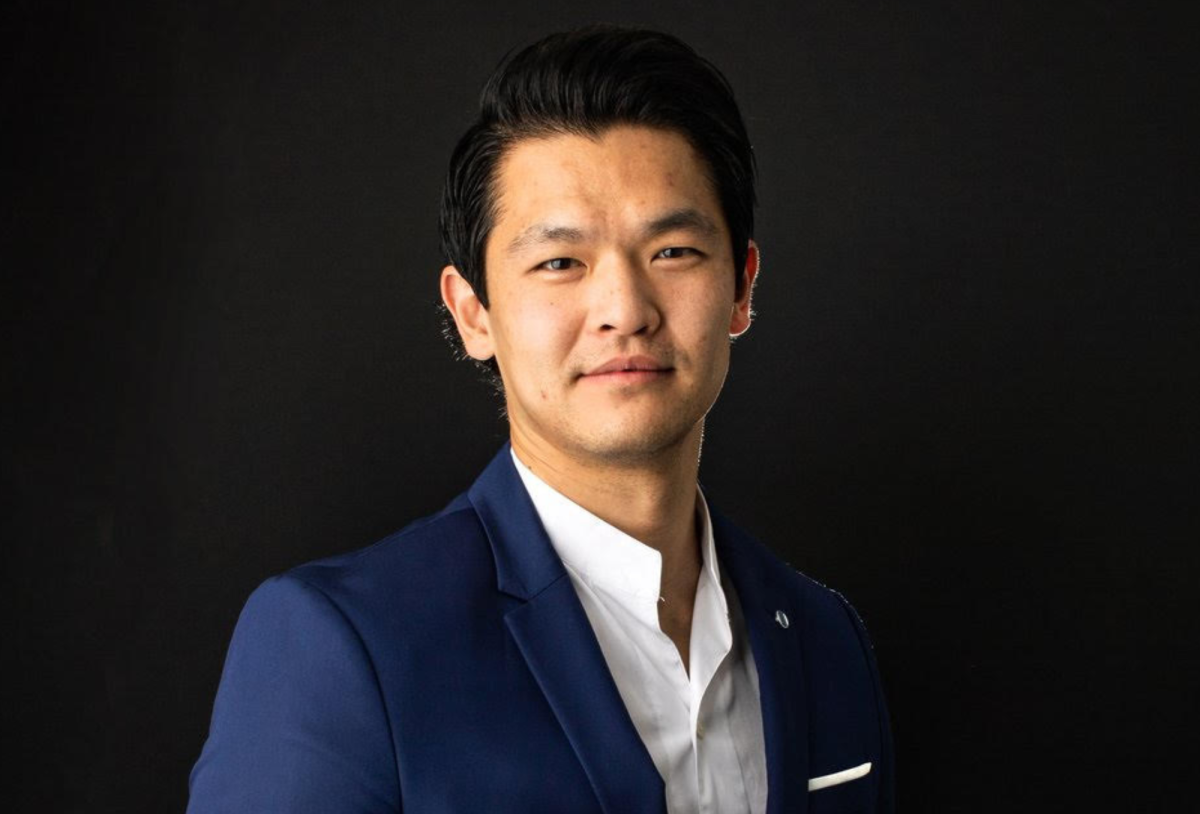
Han Jin is the Co-founder and CEO of Bluwhale. He started his career at SanDisk and then founded a series of AR/VR, artificial intelligence and robotics startups, earning an Edison Award in 2017. Prior to his current role, he was part of the founding team at Bayes Impact and served as the co-founder and CEO at Lucid VR Inc. Talking to Finance Middle East, he reflects on his journey so far.
What drove you to join the startup world?
After having worked in large corporations for 3+ years as an algorithm lead for new product introductions, I realised that the impact the AI models I was building was limited. By having my own startup, the AI would have the potential to reach a way larger audience.
Why did you choose the Middle East as the place to start/expand the business?
We chose the Middle East, particularly Abu Dhabi, for our expansion due to its rapid rise as a leading tech hub. Abu Dhabi’s ambitious vision to become a centre for technological advancement and digital transformation, exemplified by the development of G42 and its significant investments in AI infrastructure, aligns seamlessly with our long-term vision. Moreover, Hub71, a key player in Abu Dhabi’s startup ecosystem, provided us with a robust network and essential resources, making it an ideal environment to grow and scale our business.
Describe the region’s startup scene in three words.
Vibrant, fast-moving and accelerating.
Is there something that has surprised you in your journey?
I’ve been truly impressed by the region’s openness to innovation and new technologies, especially in a place that was primarily driven by established industries like oil. This openness is exemplified by the tech ecosystem that Abu Dhabi has established, with entities like Hub71, ADGM and ADIO fostering innovation and accelerating technological advancement.

What are (in your view) the keys to approaching investors successfully?
Investing is about trust, and trust and relationships take time. Don’t look at fundraising as a short-term sprint, but a life-long marathon.
What was the most challenging part of raising funding and how did you overcome it?
The most challenging part about raising funding is facing rejections and filtering for the signals that would push your company to the next level.
What is the best piece of financial advice you have received?
The best piece of financial advice I’ve received is that money doesn’t belong to you. If you receive it, it is because someone believes in you and your capabilities to multiply it. Treat it with responsibility and care so the people who gave it to you are proud.
What has been your biggest success and your biggest failure?
The biggest success is still to come, but the biggest failure is picking the wrong people to join your journey.
What is the best quality a leader can have?
The best qualities a leader can have are taking ownership and being persistent. Own up to your failures to learn and grow from them. Persevere through hardship, so you come out stronger on the other side.
Where would you like to be in five years’ time?
I am still dreaming about taking a company public one day. I hope that will happen in the next five years.