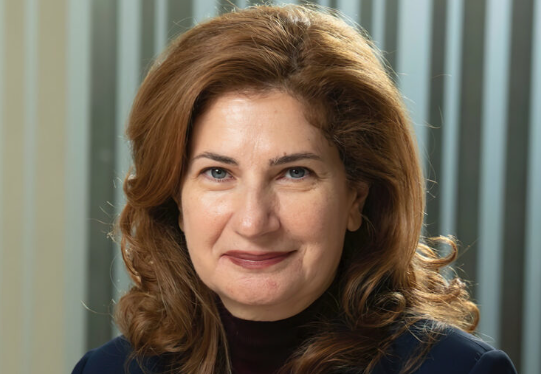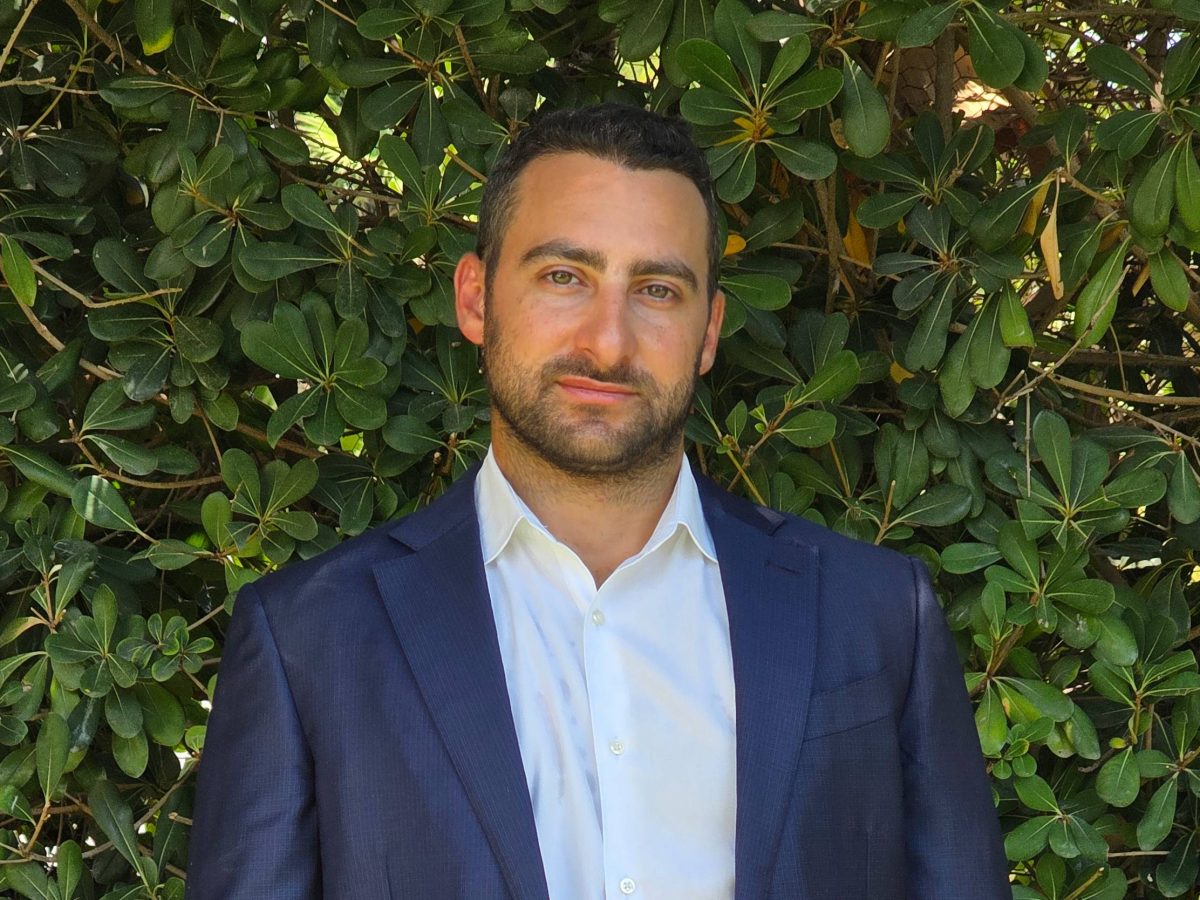
Sadry El Materi’s path from pharmaceuticals to leading data analytics at Mercedes and Gargash has culminated in Ketrone, an early-stage startup developing the world’s first ambient legal AI agent and the first of its kind in the Middle East. Based in a region positioning itself as a hub for AI innovation, El Materi has drawn on more than a decade of experience in technology and software to build a venture that aims to transform how legal services are delivered. As Ketrone scales from its early foundation, he reflects on the shift from corporate life to entrepreneurship, the challenges of building in uncharted territory, and his ambition to establish the company as a global legal tech pioneer.
What drove you to join the startup world?
The startup world chose me. My career, spanning over a decade in diverse fields from pharmaceuticals to leading data analytics at Mercedes and Gargash, has always been driven by a passion for problem-solving through technology. With extensive experience across data, tech, and software, I’ve consistently sought to be at the forefront of technological evolution. My deep dive into AI has been a natural progression, allowing me to cultivate a comprehensive understanding that I hope can serve as a trusted resource for others navigating this transformative landscape. The startup ecosystem, with its rapid feedback loops and direct impact, offered the perfect environment to build a mission-driven business, and that drive to create is what truly hooked me.
The startup world is just one of the best ways to be useful and really have an impact on people’s lives. It’s not that I especially like the idea of startups, it’s much more about creating value for people. My career, spanning over a decade in diverse fields from pharmaceuticals to leading data analytics at Mercedes and Gargash, has always been driven by a passion for problem-solving through technology. I had an innate talent for using technology to improve things around me. Still, as an employee in the corporate world, you are always limited by the company’s goals and environment. Not cruising at full speed made me feel that I had lost my way. Creating a startup was the only thing that made sense to be able to move at the right speed and truly impact the world.
Why did you choose the Middle East as the place to start/expand the business?
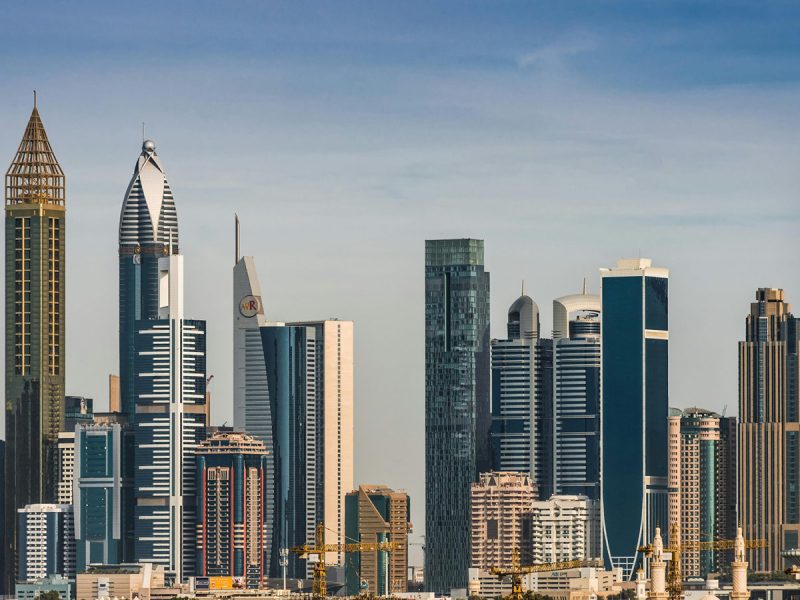
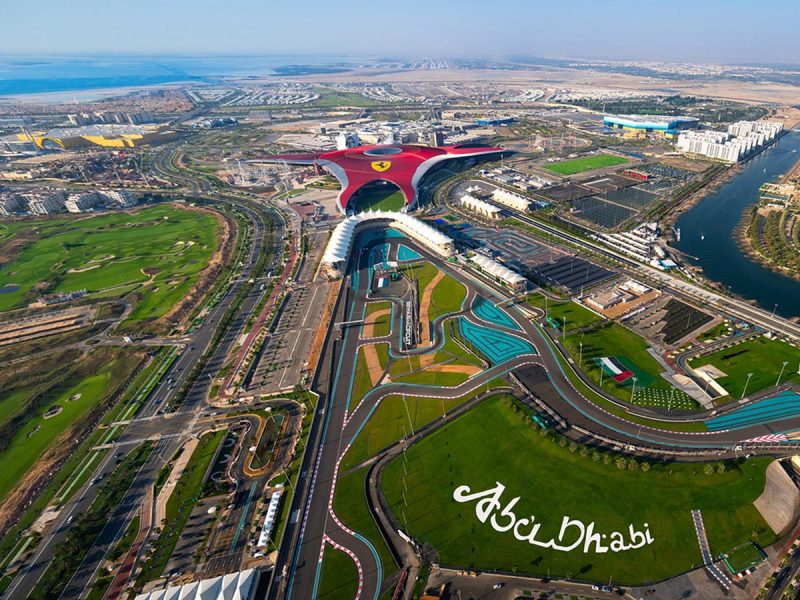
The Middle East is a dynamic and thriving ecosystem that presents a unique opportunity for innovation. When we were looking at where to build our business, the choice was clear. The region is home to a youthful, highly-connected population that is incredibly tech-savvy and ready to embrace new technologies. Furthermore, there is a strong and growing appetite for entrepreneurship, not just from founders but from governments and investors who are actively fostering a supportive environment. The strategic location of the Middle East also provides a natural gateway to markets in Africa, Europe, and Asia, making it an ideal hub for global expansion. We were not just looking for a market to sell to; we were looking for a home base where we could grow, collaborate, and truly become a part of a vibrant, forward-looking community.
How would you describe the region’s startup scene in three words?
Dynamic, Collaborative, and Ambitious.
The scene is dynamic because it is constantly evolving and adapting to global trends while maintaining a unique local flavour. It’s a space where innovation isn’t just imported; it’s being born and nurtured. It’s collaborative because there is a genuine sense of community where founders are eager to support one another, and mentorship is readily available. And it is deeply ambitious, with entrepreneurs who are not just looking to build regional players but are focused on creating globally relevant solutions from day one.
Is there something that has surprised you in your journey?
The most significant surprise for me has been the incredible sense of community and generosity among founders. Before starting my venture, I had this perception that the startup world would be highly competitive, with everyone guarding their ideas and networks. The reality has been the complete opposite. I’ve found a genuine spirit of camaraderie, where fellow entrepreneurs are more than willing to share their experiences, introduce you to their networks, and offer advice. This culture of ‘paying it forward’ is a cornerstone of the regional startup ecosystem and has been instrumental in our growth. This collaborative spirit has shown me that true innovation flourishes when people work together, not in isolation.
What are (in your view) the keys to approaching investors successfully?
Approaching investors is about far more than a perfect pitch deck. The key lies in building genuine relationships based on trust and a deep understanding of your business. First, you must have a compelling and well-researched vision that clearly articulates the problem you are solving, the size of the market, and your unique solution. Second, you must demonstrate a deep understanding of your unit economics and a clear path to profitability—investors are looking for a return, so the numbers must make sense. Finally, and most importantly, they are investing in the team. They need to see that you and your co-founders are resilient, have complementary skill sets, and, above all, have the passion and grit to navigate the inevitable challenges ahead. An investor is a long-term partner, so the relationship must be built on mutual respect and shared conviction.
What was the most challenging part of raising funding, and how did you overcome it?
The most challenging part of raising funding is navigating the iterative process of refinement and finding the right fit. It’s a journey that requires constant learning and adaptation. Each conversation, regardless of its immediate outcome, provided valuable insights that allowed us to sharpen our pitch, strengthen our business model, and better articulate our vision. We approached every interaction as an opportunity to learn, refine, and ultimately, to build a stronger foundation for our company. This iterative approach taught us resilience and the importance of continuous improvement.
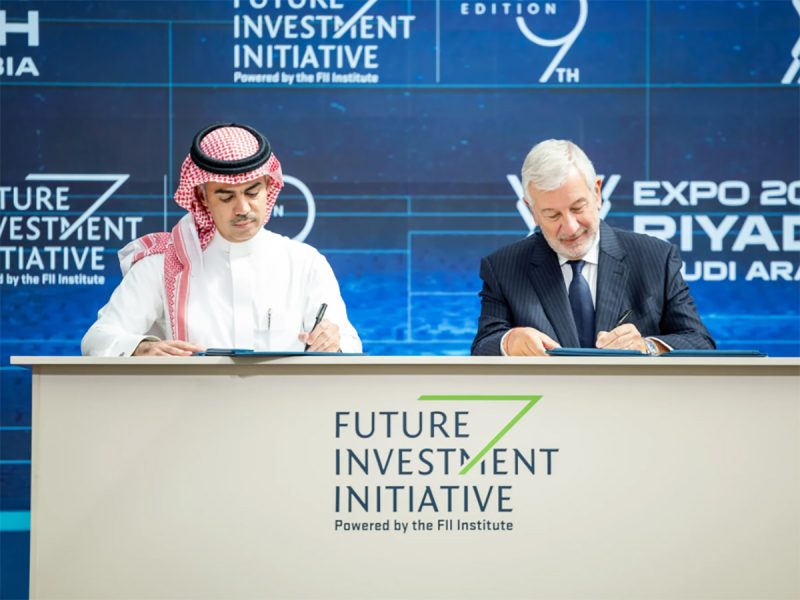
This is where initiatives like MBRIF have been an absolute game-changer. Their support has been multifaceted, providing us with invaluable mentorship, connecting us with industry experts, and offering access to a robust network of seasoned entrepreneurs who have guided us through strategic decisions. The credibility that comes with being a part of the MBRIF community is also immense; it’s a powerful signal to the market that your business has been vetted and has significant potential.
Government-backed initiatives like MBRIF are vital for the startup ecosystem. They act as a cornerstone of support, helping to de-risk investments for other private funds and bridging the gap for startups that may not yet have the track record to attract traditional VCs. They provide access to critical resources like mentorship, network connections, and market access programs that are essential for scaling. By providing this holistic support, they not only help startups secure funding but also equip them with the tools and guidance needed to navigate market challenges and accelerate their growth, ultimately contributing to a more robust and diversified economy.
What is the best piece of financial advice you have received?
The best piece of financial advice I’ve received is that while revenue growth is often celebrated, true sustainability hinges on robust cash flow. As they say, ‘Revenue solves all problems, but cash flow is paramount.’ It’s a constant reminder that even with strong sales, if you’re not managing your working capital effectively and maintaining healthy cash reserves, you can quickly find yourself in a precarious position. This focus on cash flow ensures we can invest, innovate, and weather any market fluctuations.
What has been your biggest success and your biggest failure?
Our biggest success is undoubtedly the team we have built. Finding and bringing together a group of talented individuals who share a common vision, are incredibly passionate, and are willing to work tirelessly towards a collective goal is a huge challenge. I am incredibly proud of the culture we’ve fostered—one of trust, collaboration, and mutual respect. This team is the engine of our company, and every milestone we achieve is a testament to their dedication and hard work.
Our biggest challenge, early on, was not hiring fast enough to keep up with the rapid pace of growth and market demands. In the dynamic startup world, the ability to scale your team quickly and effectively is paramount. We realised that delaying key hires, even for a short period, could create bottlenecks and hinder our progress. This experience underscored the critical importance of proactive talent acquisition and building a robust hiring pipeline to ensure we can seize opportunities as they arise.
What is the best quality a leader can have?
The best quality a leader can have is the ability to support others. A true leader understands that their team is their greatest asset. It’s about empowering individuals, fostering an environment where everyone feels valued and heard, and providing the resources and guidance needed for them to thrive. By actively listening, mentoring, and removing obstacles, a leader enables their team to reach their full potential, which in turn drives the collective success of the company. It’s about building a strong foundation of trust and collaboration where everyone feels supported in their journey.
Where would you like to be in five years?
In five years, I envision our company as a market leader in the Middle East, having expanded our footprint into several new markets globally and having solidified our position as the go-to solution in our industry. I want us to be known not just for our innovative technology, but for the positive impact we’ve had on our clients’ lives and for the talented team we’ve built. I hope that our company becomes a beacon of success for the region, proving that incredible, globally relevant companies can be built right here. More personally, I want to be a mentor and an active contributor to the next generation of entrepreneurs, helping them navigate the very challenges I have faced and contributing to the continued growth of this amazing entrepreneurial ecosystem.