
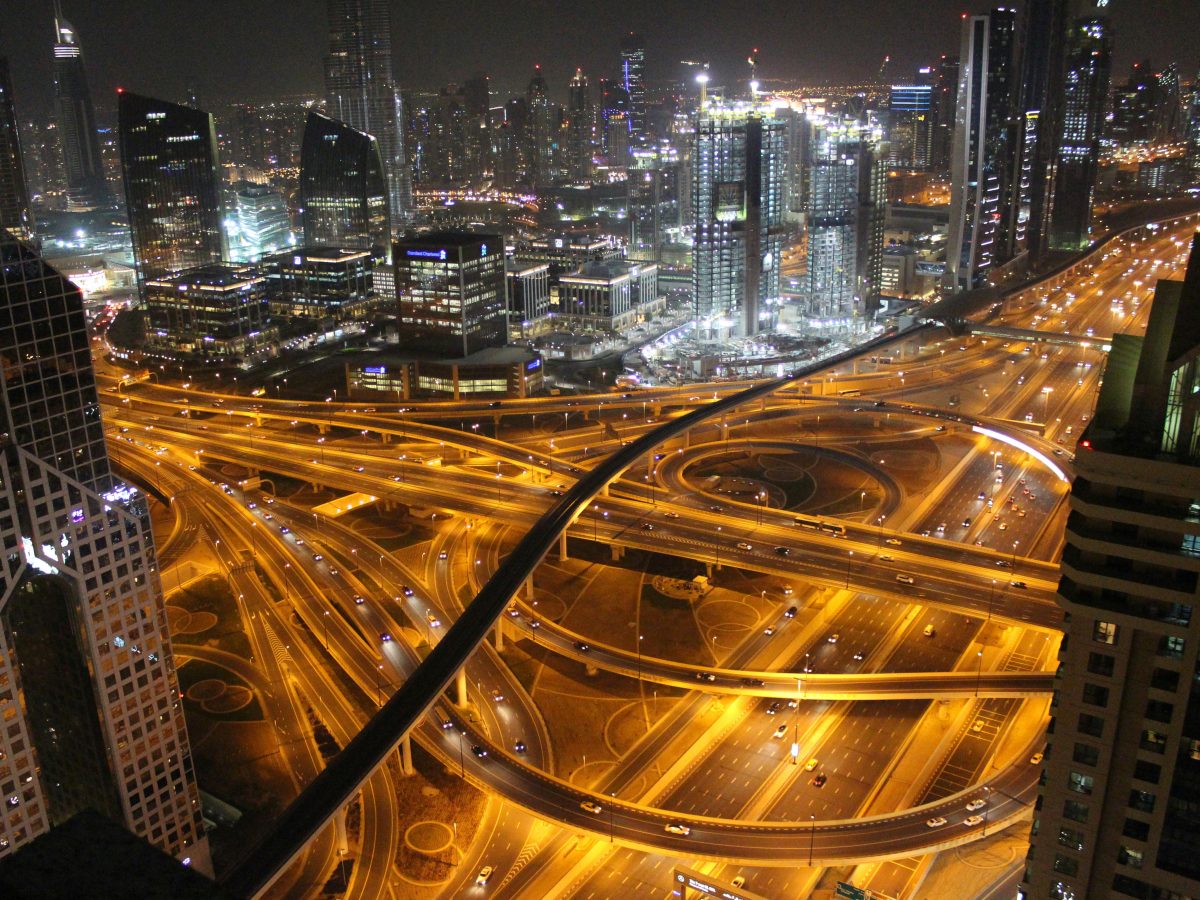
Dubai has long positioned itself as a global nexus for innovation, finance and economic growth. The emirate’s strategic focus on attracting venture capital (VC) and fostering public-private partnerships (PPPs) has played a pivotal role in its rise as a vibrant hub for global investment. Despite facing challenges in 2023, including a notable decline in venture capital funding, Dubai’s adaptability and proactive policies have ensured its continued attractiveness to investors.
Strategic shifts in the VC landscape
Despite a global downturn, the MENA region, particularly the UAE, demonstrated remarkable resilience in the venture capital sector. While there was an 18% dip in VC deal count in H1 2024 compared to the same period last year, the UAE accounted for 36% of deals across MENA, underscoring its growing role as a hub for venture investments in the region.
However, 2023 was marked by a significant contraction in venture capital funding within the UAE, with a 46% decline from the previous year. This drop, though concerning, was not indicative of a weakened ecosystem but rather of a strategic transition. The latter half of the year saw a robust recovery, with a 65% increase in funding compared to the first half. This rebound suggests that the market is maturing, shifting from large-scale deals to smaller, more diversified investments. This trend focuses on sustainability and long-term growth rather than rapid expansion, highlighting Dubai’s evolving venture capital landscape.
The UAE’s comparative performance in the venture capital space highlights its maturing VC ecosystem, driven by several key factors:
Strategic government initiatives: The UAE government has been instrumental in fostering a robust entrepreneurial ecosystem. Initiatives such as establishing free zones like the Dubai International Financial Centre (DIFC), the Dubai Future Foundation, and the Dubai Chamber of Digital Economy have created tailored infrastructure and flexible regulatory frameworks that attract tech startups and international enterprises.
Regulatory environment: The UAE’s progressive regulatory framework supports emerging sectors like cryptocurrency and digital assets. The establishment of the Virtual Assets Regulatory Authority (VARA) in 2022 and the Dubai Financial Services Authority (DFSA)’s FinTech sandbox in 2018 have attracted global players and fostered innovation.
Infrastructure and cultural diversity: Dubai’s state-of-the-art digital hubs, advanced logistics capabilities and vibrant cultural diversity foster an environment conducive to innovation. The city’s high quality of life, safety, and strategic location between Europe, Asia and Africa make it an attractive destination for talent and investment.
Economic stability and exit opportunities: The UAE’s economic policies have ensured stability even during global economic downturns. The availability of diverse exit opportunities, including local IPOs and acquisitions, underscores the resilience and attractiveness of the UAE’s venture capital ecosystem.
Public-private partnerships
While the venture capital sector faced a year of transition, the landscape for public-private partnerships in Dubai was notably dynamic. The UAE government has been proactive in promoting PPPs as a means to accelerate strategic projects, particularly with the introduction of a new legal framework in December 2023. This law is designed to enhance private sector participation across various forms of partnerships, including service, management, leasing and concession contracts.
A significant development in this domain was the approval by the Crown Prince of Dubai of a portfolio of PPP projects valued at Dh40 billion. This initiative aligns with HH Sheikh Mohammed bin Rashid Al Maktoum’s vision of establishing Dubai as a global economic powerhouse.
The new legal framework is expected to attract substantial investment in federal projects, particularly those with significant social and economic impact.
Dubai’s commitment to strengthening PPPs is evident in the collaborative efforts led by the Department of Finance (DOF). These efforts have laid the groundwork for a comprehensive and integrated PPP system that leverages the expertise of both government entities and private sector companies, ensuring that Dubai continues to attract global investment and expertise.

Dubai’s global investment appeal
Beyond venture capital and PPPs, Dubai has also bolstered its reputation as a leading destination for foreign direct investment (FDI). This achievement underscores Dubai’s strategic efforts to create a favourable business environment that attracts investors from around the world.
Dubai’s success in attracting FDI is not merely a result of its economic policies but also its forward-thinking approach to emerging sectors, particularly in technology and innovation. The government’s focus on hosting retreats and initiatives centred around artificial intelligence (AI) and other cutting-edge technologies further cements Dubai’s position as a global leader in these fields.
Dubai’s funding landscape in the past year reflects a city in transition but also in resilience. While the venture capital sector faced challenges, the recovery in the latter half of the year and the strategic shifts within the ecosystem highlight Dubai’s adaptability. Simultaneously, the city’s proactive approach to public-private partnerships and its success in attracting foreign direct investment demonstrates its ongoing commitment to economic growth and innovation.
As Dubai continues to refine its legal frameworks and investment strategies, it remains well-positioned to attract global investment and drive forward its vision of becoming a leading hub for global economic development. The combination of venture capital, public-private partnerships, and foreign direct investment will undoubtedly play a crucial role in shaping the future of Dubai’s economy.