
Dubai is leading the charge in property technology (proptech) innovation, with a significant focus on integrating advanced technologies like artificial intelligence, machine learning and the Internet of Things (IoT) into the real estate sector.
Companies are dedicating more than 20% of their annual budgets to this transformation, Arabian Business reported. This tech-driven push is mirrored by a surge in venture capital, with protech startups in MENA raising over $200 million in the first half of 2024, outpacing the traditionally dominant fintech sector.
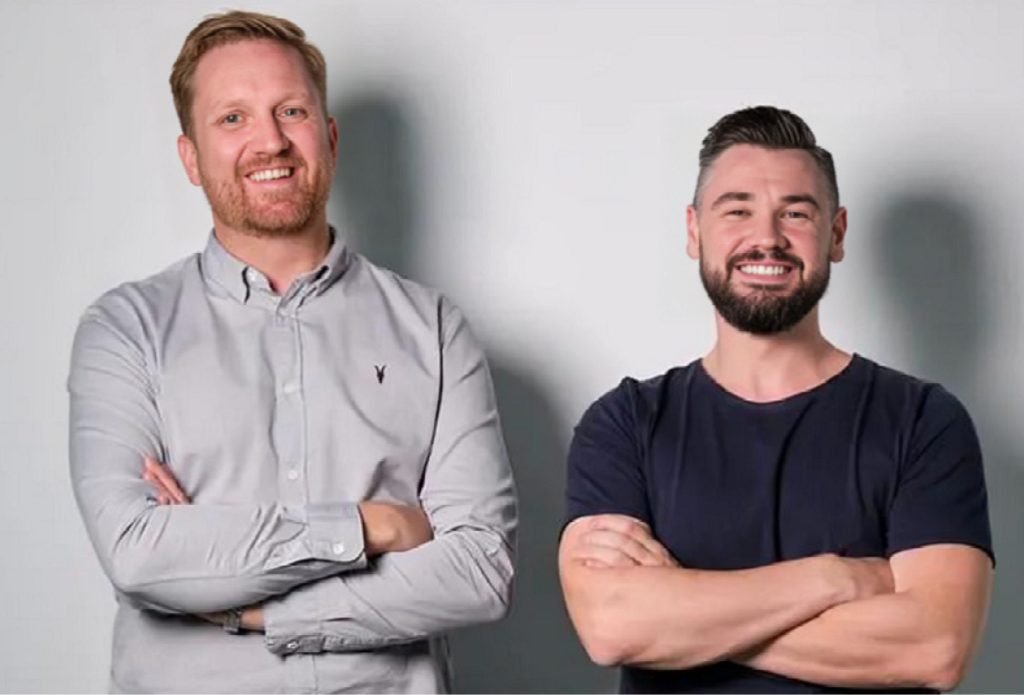
In a recent podcast interview with Cheque Point, the Co-Founders of Holo, Michael Hunter, CEO, and Arran Summerhill, COO, discussed the future of proptech in the GCC region and how tech has evolved to address current challenges faced by buyers and investors
The following transcript has been edited for length and clarity. Listen to the full interview here.
What are the main benefits of bringing together property and technology?
Hunter: It’s a large global industry. Myself and Arran, we’ve been in the region for over 12 years, always within banking and finance, and as a result, we’ve been in the trenches with our customers. We understood the pain points and these pain points are fairly consistent. You see that customers do face problems where they’re not getting the correct information. Nothing’s necessarily in black and white, and there are a lot of stakeholders involved in the home-buying journey.
That’s where we stepped in. We wanted to make it more transparent. By providing the customers with all the live products available in the market, we help our customers finance properties. Following that, we then allow the customer to upload documents and make live applications to the banks within three minutes, anytime, anywhere. It’s really important that they can be sitting in a coffee shop at 11 o’clock at night and make a mortgage application. Following that, we can track it at any point instead of waiting for somebody to phone us.
Summerhill: I think, for ourselves and everybody within the region, buying a property is probably the biggest purchase you’re ever going to make in your life, and it was a massively undercatered area.
We saw the problems that people were facing here in the UAE and the Middle East. We looked to take ideas out of what was being done successfully, from big players in the US, the UK, Europe, etc. It’s about bringing accessibility and taking the purchasing process to the next level. Over here, we want to be able to transact on a property purchase from start to finish. Even today, it’s very difficult for people to go to that bank, apply and track the application online. And when you have submitted your application for financing, you have to go out and find a property. That’s another journey that you then have to go through.
What we looked at doing was bringing both of those together. The Holo platform allows somebody to start with the financing, so they know what they can afford and what to look at. But then we also have a system where we push all of our buyers to the platform. And we work with over 250 real estate agencies who can then access our buyers. It’s basically like a dating app, if you will. You match the property that they’ve got as an agent to our high-intent buyers, and then the buyer just receives versions of properties that are available so they can then say if they want to go out and view it.
That’s something that’s worked really successfully. The company is growing and that’s very exciting for us. We are in the process of expanding into the Saudi markets, where we will be the first digital property platform that caters for mortgage-first. We’re very excited about that. We’re working at the moment between Dubai and the Riyadh markets, and there’s a big boom here in the UAE, proptech and fintech and combining the two, but Saudi is even bigger, and there’s a real buzz about what is going on there.

Do you see many differences in the customers in Saudi Arabia compared to those of the UAE?
Hunter: It’s a different demographic of customers. If you look at the type of markets, the UAE was historically a transient market and has got quite a large expat population, whereas you can flip that in reverse. But when we actually dive into the type of customers that use our platform, a lot of the younger generations have used digital platforms already.
Summerhill: To jump in on the Saudi side of things, we’ve got a good client persona in the UAE that we’ve built up over the last four years. We know what the average age is, what their earnings is, their profile, etc. And when you then take that and you look at the Saudi market, there’s a lot of government grants that help first-time buyers get onto the property ladder. We’re probably going to be focusing on anything from 21 upwards as an age group. They are used to doing their banking on an app. Why not go and purchase that property on the app?
People have that trust already placed in traditional banks. Has building trust been a challenge for Holo?
Hunter: Honestly, it was a concern of ours when we first launched. But, ultimately, over the years, building up the brand, building up the name in the market, those challenges don’t seem to exist as it stands at the moment. We are an ecosystem-enabler. We want to be a company that supports other brokerages, and other real estate companies to enable them to grow effectively. It’s not just about building trust with customers directly. It’s about building trust with the banks. It’s about building trust with all the agencies as well.
Summerhill: Historically, people would bank with whoever their family banks. My first bank account I opened where my parents had banked. We always wanted that transparency to be at the forefront. As you go through the journey on the platform, you’ll be able to select from your eligible products. You could go and choose the cheapest product out there for yourself. You could see that your bank is the fifth cheapest, and go, well, actually, I bank with those. I’m going to go and apply with that lender instead.
It’s amazing how much people within the region like to shop around. They’ll get that deal. They’ll shop it around. People haven’t had a problem with leaving their own banks.

As founders, what were some of the biggest challenges you faced? What advice would you give to other founders that are now starting their journey?
Hunter: I love this question. There are quite a few things to consider. It takes a very certain type of person to start a business. If it’s something that you’re looking to do, don’t procrastinate, take the first step, and you can plan it from there. And that’s ultimately what we did. We came up with that idea and we came together. We knew that we both had different strengths, and that’s something that’s really important as well. Get good people around you who are going to support you on your business journey.
Moving forward from that is understanding business in itself, understanding economics. It’s super important that you understand how much you’re spending on marketing, how much you’re going to get out of that and how you can create a scalable business.
When it comes to whether it be raising funds or finding the next customer, it’s always about being in search of the next ‘Yes’. Never be disheartened by ‘no’, whether that be a customer or a VC; just keep knocking. Keep on going until you get that ‘yes’, because it will eventually come. We’ve had journeys where it was the last ‘yes’, that got us to the next step.
Summerhill: I think it’s overcoming those hurdles. The UAE and Saudi are very friendly for startups, and there are a lot of places you can go and open businesses here. I think you’ve just got to have that tenacity to keep going. Have good people around you who can support you on that journey. We’ve done, kind of, this is our second business here, our first together .I think everybody should give it a go if they want to. It’s not easy, but it can really take your places.