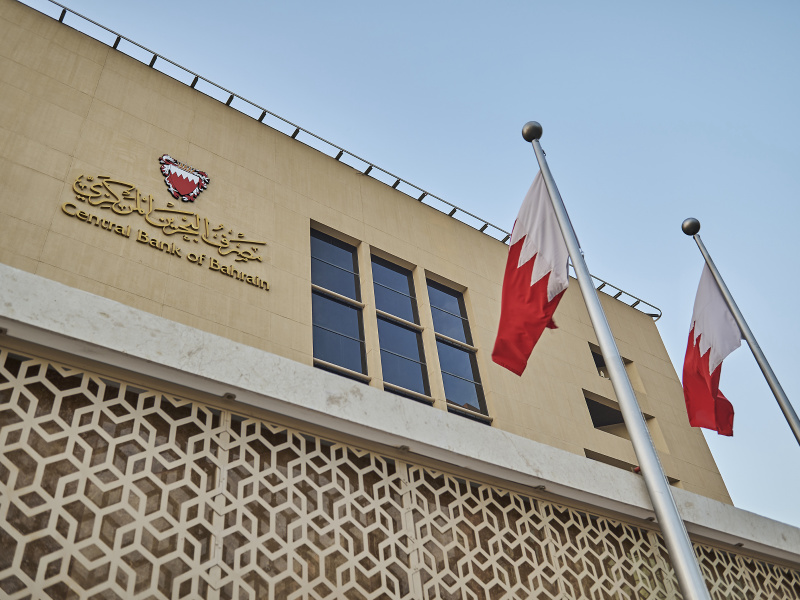

The Middle East’s fintech revolution is reaching a new high. Digital wallet adoption in Saudi Arabia alone has surged from a mere 315,000 users in 2018 to a staggering 17 million in 2022 and with over $1 billion invested in local fintech firms, the Banking-as-a-Service (BaaS) sector is expected to reach a staggering $7 trillion valuation by 2030.
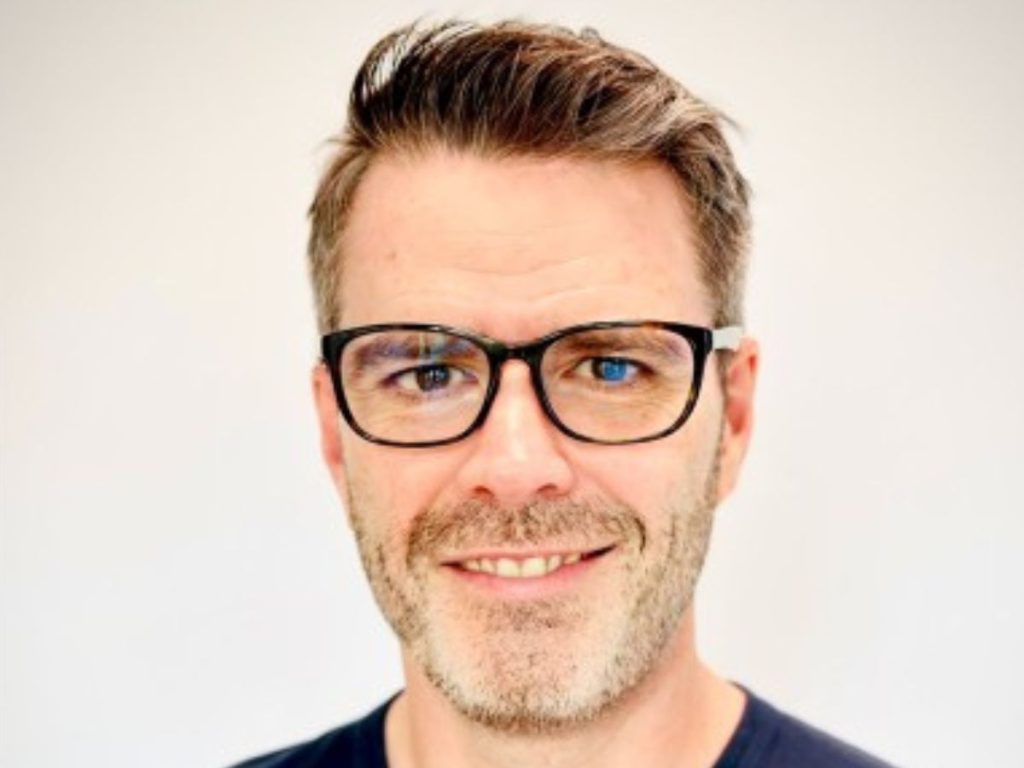
One of the companies powering this fintech sector in the region is audax. The company began its journey by powering Standard Chartered nexus and has since expanded to elevate other banks and financial institutions globally. Mike Breen, Head of Commercial, sat with Finance Middle East to discuss the startup’s strategy and its entry into the Middle East.
What drove you to join the startup world?
I’ve worked in both enterprises and startups throughout my career, and the lessons from each have positively influenced the other. Startups aren’t for everyone—you need clear objectives and timelines—but I’ve always been drawn to environments that prioritise agility and innovation.
In startups, you can build from the ground up and quickly see the impact of your work. It’s fast-paced, challenging, and forces you to think outside the box, which is where I thrive. audax, with its transformative value proposition, offers that exact opportunity.
Why did you choose the Middle East as the place to start/expand the business?
The Middle East has shown a strong willingness to embrace digitally scalable business models, particularly among banks and financial institutions (FIs) looking to modernise and stay competitive. The region’s banking sector is rapidly evolving, with many players actively seeking innovative solutions to enhance their digital offerings, and the regulatory environment here has been conducive to fintech growth – with clear frameworks that encourage innovation while ensuring compliance. This combination of forward-thinking banks and a supportive regulatory landscape made the Middle East a natural choice for expansion.
How would you describe the region’s startup scene in three words.
Evolving, forward-looking, promising.
Is there something that has surprised you in your journey?
The strong traction we’ve seen in our pipeline from the Middle East has been a pleasant surprise. While I knew there was potential, I didn’t anticipate the rapid pace at which our prospects and governments would embrace change. The demand for innovative, digitally scalable solutions is very real, and that’s reflected in the enthusiasm we’ve seen from financial institutions in the region.
What are (in your view) the keys to approaching investors successfully?
It’s all about relationships and storytelling. Investors are not just looking for great products or ideas—they want to back teams that they trust, and that have a clear vision. Show that you have product market fit, don’t be afraid to highlight what makes you unique and be transparent about your challenges and how you plan to overcome them. Most importantly, demonstrate scalability and potential for return on investment.
What was the most challenging part of raising funding and how did you overcome it?
One of our biggest challenges is the length of our sales process, which can exceed a year. To address this with our investors, we’ve had to emphasise key indicators like pipeline value, customer engagement, and the scalability potential of our solution to prove traction and validate our strategy. As our revenue grows and customer deployments increase, we’re better positioned to demonstrate long-term viability and strengthen investor confidence.
What is the best piece of financial advice you have received?
“Time to market is more important than timing the market.” Staying in the game, learning, adapting and pivoting, while continually reviewing and challenging your product market fit is far more valuable than chasing a quick win. This approach has been key in helping us build sustainable growth, even when the immediate outlook wasn’t always clear.
What has been your biggest success and your biggest failure?
We should treat failure like an opportunity rather than a threat. Embrace what went wrong, iterate and improve. It’s not about winning and losing, it’s about winning and learning!
What is the best quality a leader can have?
I believe in creating an environment where the team can operate freely within a defined framework. By setting a clear north star and establishing guardrails, you can trust your team to apply their skills effectively. This strategy fosters responsibility, independent decision-making, and ownership, empowering the team to develop with confidence whilst managing risk within the organization.
As time has passed, I’ve gone from being the youngest in the room to having the most grey hair. With this shift, I’ve focused on trying to be a first-class observer, empowering others to make their own decisions, and imparting the right dosage of information and knowledge for them to do so.
Where would you like to be five years’ time?
Building a sustainable business is no easy feat, especially in a competitive, slow-to-change, and risk-averse industry like ours. At audax, we deeply value the trust banks place in us to drive their technology and business transformations. To scale sustainably, we’ll continue investing in strong partnerships to extend our capabilities.
On a personal note, I’m committed to the long game. Though the journey can be intense, stressful, and at times frustrating, it’s also exciting every single day. The continuous learning, understanding customer needs and tackling complex challenges are what motivates me—and I’m having a lot of fun along the way.