
What’s the secret to creating unicorns? The UAE would know, as the country is on a journey to becoming a startup epicentre in the MENA region.
At the end of 2024, there were a reported 1,249 unicorn companies globally, meaning startups with a valuation of $1 billion or more. At least seven of these are based in the MENA region, out of which five have their headquarters in the UAE (Careem, Swvl, Vista Global, Emerging Markets Property Group and Kitopi). Moreover, recent data suggests that the fintech and innovation sector in the MENA region is expected to double in value, reaching $266.9 billion in 2027. With such exciting prospects, the Gulf region is set to become a vibrant environment for emerging unicorns.
Encouraged by its success, the country is intent on becoming the unicorn hub of the MENA region, with plans to relocate at least 20 new unicorns to the UAE in the next few years. To achieve this, the country is fostering a welcoming business ecosystem, driven by continued government support, a conducive regulatory environment and increasing investor interest.
Success comes about faster when learning from others’ experiences. In a series of interviews, the UAE’s trailblazers reflected on the highs and lows of the journey to reaching unicorn status.
What does a unicorn valuation do?
Besides a fancy title—and a cute mascot—unicorn valuations serve as proof of a company’s success. Not only that but, in the words of Silvina Moschini—the first Latin American woman to bring a company to unicorn status, Founder and CEO of Unicorn Hunters and Founder of Unicoin— it is a designation that brings along international recognition of a project’s ability to deliver impact.
“Becoming a unicorn has a broader societal impact,” Moschini said. “Unicorns are often leaders in innovation, disrupting industries and introducing transformative products or services that can radically change the way we live and work. Their innovations have the potential to improve lives on a global scale, addressing pressing challenges and pushing boundaries in technology, healthcare, finance and beyond.”

“Unicorns are often leaders in innovation, disrupting industries and introducing transformative products or services that can radically change the way we live and work”
Silvina Moschini
Additionally, achieving unicorn status also significantly boosts a company’s credibility and visibility, attracting substantial investment from venture capitalists, private equity firms and institutional investors. This influx of capital provides the resources needed to scale operations, accelerate growth and explore new markets—whether nationally or globally.
“With the right backing, unicorns can expand their reach, strengthen their product offerings and invest heavily in research and development to fuel continuous innovation,” Moschini said. “For the company itself, reaching this status also means increased opportunities for strategic partnerships, talent acquisition and brand recognition. It represents a vote of confidence in its business model, vision and leadership.”
The 5 keys to success
Underlying any successful venture are several critical elements that, when combined, form a strong foundation. Moschini named her top five:
- Clarity through scarcity: In times of crisis, constraints often inspire innovative solutions that lead to better products and services.
- Resilience: The ability to remain calm and think clearly under pressure helps entrepreneurs adapt to changing circumstances.
- Deep understanding: A thorough grasp of your business is non-negotiable. Knowing your industry and unique value proposition empowers you to make informed strategic decisions.
- Big impact with tangible results: Successful ventures focus on solving meaningful problems while delivering measurable outcomes.
- Storytelling: A compelling narrative is a powerful tool. Effectively articulating your vision can inspire belief in your mission, attracting the talent, resources and investment needed to bring it to life.
Dubizzle Group: “Achieving unicorn status could not have come at a better time”
Achieving unicorn status is no small thing—much less when this takes place amid a pandemic. Founded in 2015 as Emerging Markets Property Group (EMPG), the company owner of the online marketplace dubizzle underwent a large-scale merger with OLX Group in 2020. The resulting firm, known as Dubizzle Group, is now valued at over $1 billion and has expressed its intention to undertake an initial public offering (IPO) to be listed on a public exchange.
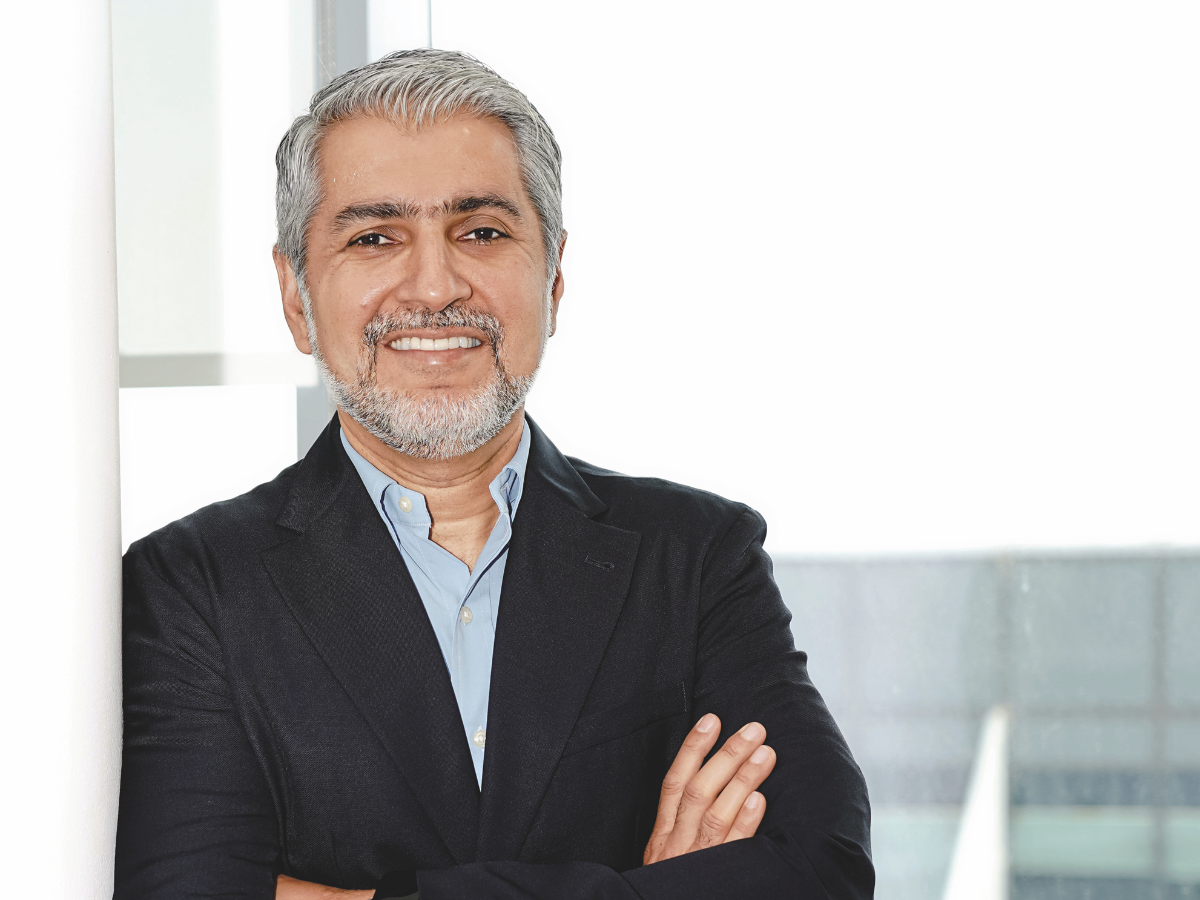
Reflecting on the journey, Haider Ali Khan, CEO of Dubizzle Group MENA, stressed the company’s ability to rise above the most challenging of circumstances to deliver growth. “Achieving unicorn status in 2020 was incredibly special and it could not have come at a better time, especially in terms of workplace morale, considering that the whole world was grappling with the uncertainties of the pandemic at the time,” he said. “We take on challenges as they come, and have never compromised on our commitment to being the best classifieds platform out there.”
“We take on challenges as they come, and have never compromised on our commitment to being the best classifieds platform out there”
Haider Ali Khan
Achieved at a time of increased global uncertainties, the company’s unicorn status not only cemented Dubizzle Group’s position in the market, “but also helped us drive excellence in the classifieds sector while establishing a culture of innovation in the industry, both in the UAE and the wider GCC region”, Khan stressed. Since then, the firm has continued its growth, focusing on strategic acquisitions, technological innovations and data insights to tackle local challenges.
Khan further noted: “I can’t put my finger on a single challenge that has slowed down that drive towards excellence. The fact that we went ahead with an acquisition deal to form the larger Dubizzle Group smack at the beginning of a global pandemic says a lot about our mindset when it comes to dealing with challenges.”
Over the next three to five years, the company plans to expand regionally and internationally, enhancing its technology further with artificial intelligence (AI) and deepening verticals such as real estate, motors, jobs and classifieds. Its success, Khan added, reflects the region’s broader business growth: “Our journey of growth at the Dubizzle Group is a testament to the UAE’s prime standing as a global hub for talent, enterprise, investment and innovation.”
Careem: “This success encouraged countless others to embark on their own entrepreneurial journeys”
The UAE is not only a leader in MENA unicorn creation—it’s also a barrier-breaker when it comes to unicorn exits. In March 2019, Careem became the first unicorn exit in the MENA region. The company was acquired by Uber for $3.1 billion, marking the largest technology sector transaction in the Middle East. This success was, nonetheless, years in the making.
Founded in 2012 as a grassroots ride-hailing platform, Careem is now transitioning to becoming an everyday super-app, incorporating payments, food and grocery delivery, and even home cleaning and PCR testing services, among many others. Bassel Alnahlaoui, Chief Business Officer at Careem, highlighted the impact its achievements have had on the region at large.

“We were pleased to contribute to raising the aspiration levels of the region, showing the world that building a major tech company in the region was not just a dream but a reality”
Bassel Alnahlaoui
“We were pleased to contribute to raising the aspiration levels of the region, showing the world that building a major tech company in the region was not just a dream but a reality,” Alnahlaoui said. “This success encouraged countless others to embark on their own entrepreneurial journeys. Many former Careem colleagues went on to establish their own startups, fostering a vibrant ecosystem of over 270 ventures founded by Careem alumni. This ripple effect has continued to inspire a new generation of entrepreneurs and bolster the UAE’s vision of becoming a global innovation hub.”
Careem also faced challenges during the pandemic. The mobility restrictions severely affected demand for ride-hailing services. However, this context pushed the company forward. In addition to providing a Captain Fund for its riders, Careem’s leadership embarked on a journey towards diversification, that would be the start of the Everything App.
“While this period was challenging, it also presented an opportunity for us to evolve,” added Alnahlaoui. “We developed our existing delivery and payments infrastructure to provide essential services that people needed while staying at home. This difficult time became a pivotal moment for Careem’s journey from ride-hailing app to ‘Everything App’ with over 20 services, enabling us to expand our ecosystem and emerge even stronger.”
For Careem, the future will be defined by AI. In the next three to five years, the company expects its AI assistant to be present across its app, guiding users on where to eat out and what to order in, while helping them manage their payments and do errands. “Our vision is to impact the lives of many more people, and ultimately build a lasting institution that can create opportunity for the region for decades to come,” noted Alnahlaoui.
Vista: “Achieving this scale was no easy feat”
Every day, the UAE’s unicorns are reaching new skies. Although the country’s top startups obtained great success in the creation of digital marketplaces, UAE unicorns come from all sectors—including aviation. The oldest company on this list, Vista was founded in 2004 and did not obtain a $1 billion valuation until 2018. Headquartered in Dubai, Vista integrates a unique portfolio of companies to offer asset-free services to cover all key aspects of business aviation, including guaranteed and on-demand global flight coverage, subscription and membership solutions and trading and management services.
“The most challenging part of Vista’s journey has been building a global scale and establishing a business model that is now practically impossible to replicate,” said Charlotte Colhoun, Group CFO at Vista. “Achieving this scale was no easy feat. It required a complex, highly efficient infrastructure to provide consistent, exceptional service for corporations, governments and private clients with unique needs. Navigating the logistics, regulatory compliance, and cultural nuances that come with operating in diverse markets required a sharp focus and adaptability.”
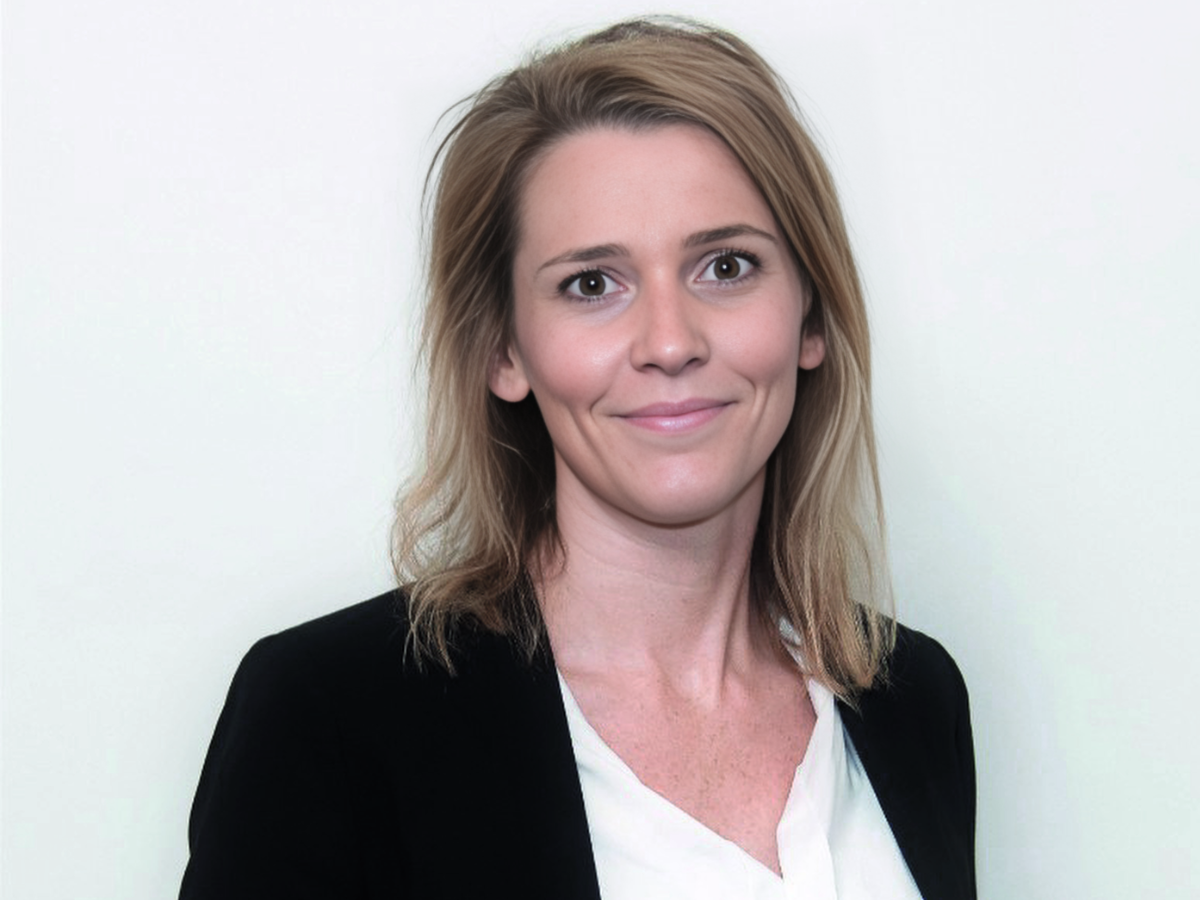
“The most challenging part of Vista’s journey has been building a global scale and establishing a business model that is now practically impossible to replicate”
Charlotte Colhoun
The company’s growth has been powered by an unconventional approach to fundraising, blending re-investing generated cashflows with broad access to debt capital markets and diversified sources of funding. Unlike many capital-intensive businesses, Vista’s Founder and Chairman, Thomas Flohr, still retains majority ownership–a rare accomplishment in a sector known for high capital demands.
“This success is underpinned by Vista’s ability to clearly define and communicate its business and financial model to investors, who have recognised the massive market potential and scalability of its innovative approach,” Colhoun stressed. “At the core of Vista’s growth is its pioneering subscription model, which transformed private aviation by offering a flexible and cost-effective alternative to aircraft ownership, which appeals to today’s preference for asset-free solutions.
“By aligning fundraising strategies with a clear long-term vision, Vista has secured capital to support operations and investments in technology, fleet expansion and sustainability, resonating with investors seeking long-term impact.”
Advice for future founders
What would the management of the UAE’s unicorns advise others trying to follow on their footsteps? We asked and they responded.
When thinking of future entrepreneurs, Dubizzle Group’s Khan believes “the foundation of success lies in building a strong, scalable tech infrastructure from the beginning”. To build a lasting legacy, it is essential to stay “customer-centric”—consistently prioritising value for users through innovation and quality. Talking directly to new founders, he added: “Be open to strategic partnerships, fundraising and acquisitions; they can significantly accelerate growth and provide expertise in areas where your business may need support. Remember, sustainable success is about balancing ambition with thoughtful execution.”
For Carrem’s Alnahlaoui, vision is key. “Identifying a clear purpose centred around a problem that presents real challenges for a mass audience is crucial,” he explained. “The early years of a startup can be incredibly challenging, and without a clear purpose driving you and your employees forward, it’s easy to give up when you face hurdles.” Moreover, he stressed the importance of truly understanding the motivations of both team members and customers. To make this front-and-centre, “spend time with your target customers so you can put yourself in their shoes and consider the pain points that will truly make them consider adopting the product or service you offer.”
When creating a new company, founders will encounter a myriad of opinions. Here is one more. Vista’s Colhoun stressed the importance of remaining confident in oneself. “Trust your instincts,” she said. “While feedback and guidance from others can be valuable, no one understands your idea and passion as deeply as you do.” In terms of more practical advice, Colhoun highlighted the importance of retaining optionality and diversified funding sources when scaling up. “A successful scale-up journey requires not only operational excellence but also financial flexibility.”
The UAE: how to create a unicorn hotspot
The UAE is consolidating its position as a global innovation hub and creating a vibrant ecosystem, attractive for startups and entrepreneurs from around the world. This transformation reflects a broader trend happening across the Middle East, with countries like Qatar and Saudi Arabia driving ambitious Vision 2030 agendas. Such initiatives aim to diversify local economies and promote sustainable development in emerging sectors. Their efforts are positioning the Gulf region as a global leader in technology and innovation.
“In the last five years, I’ve witnessed more change in the broader Middle East region than in the past century in the West,” Moschini said. “This transformation is occurring alongside a dramatic shift in technological adoption, with AI becoming deeply embedded in the fabric of startups—an essential factor for securing investment.”
When searching for the next unicorn, Moschini noted investors focus on industries with high growth potential. They prioritise businesses that address clear market demands with compelling value propositions, particularly those that solve real-world problems. For this reason, companies in sectors like health and climate technologies, represent some of the most promising opportunities in the market.
“These industries are set to drive the next wave of innovation in the region, where the convergence of AI and big data is unlocking new possibilities,” she added. “As Gulf nations invest billions into technology and startup ecosystems, signalling a clear pivot away from the traditional focus on real estate and oil revenues, the region is poised to reshape the technology landscape for decades to come.”