
How many of us recall that memorable episode of Everybody Loves Raymond, where Ray takes on the household finances after an argument with Debra? Ray’s approach—paying off the cards—clashes hilariously with Debra’s habit of balancing payments across other household needs. Beneath the humour lies a reality that endures across generations: women have always thought deeply about money, household expenses, and spending. Yet, a World Economic Forum study in 2023 sheds light on a troubling gap, particularly in the MENA region—current financial models and credit scoring systems often fail to account for diverse perspectives, leading to biased outcomes. The lack of balanced representation in data inputs and algorithm design makes this issue all the more pressing.
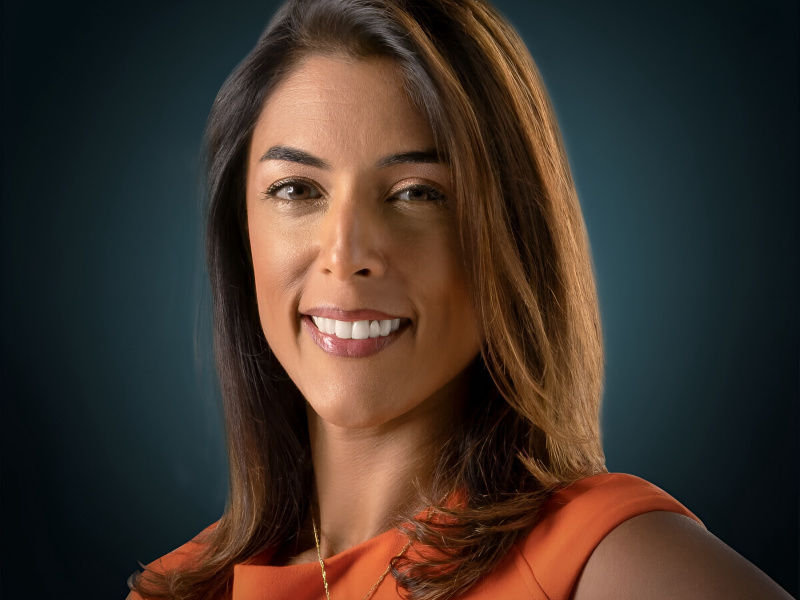
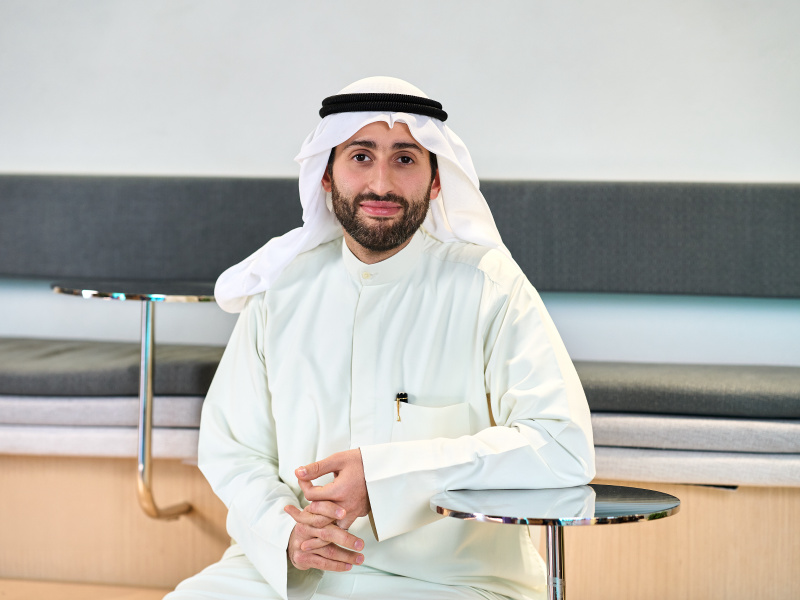
This hits close to home for me. My preteen daughter dreams of building games, yet finding her a mentor has been a challenge. While I understand the demands of work, family, and other obligations, identifying female game developers who could guide her has proven difficult. This experience highlights a valuable insight: the MENA region has made remarkable strides in fostering female talent, but there are still opportunities to build on this progress. Nevertheless, it’s inspiring to see figures like Eman Abdulrazzaq at Emirates NBD and Dena Al Mansoorj at e& leading the charge in finance and technology. Spotlighting the journeys of such pioneers is vital—they serve as beacons of possibility for the next generation.
Representation, however, is only the first step. The real challenge lies in addressing entry barriers posed by automated algorithms. Today’s tech workforce relies on algorithms—whether for writing code or finding errors—and the prompts used directly influence outcomes. This brings the responsibility squarely onto hiring managers to cultivate teams with diversity of thought. After all, skills can often be taught, but diverse perspectives must be intentionally sought. In my experience building teams, I’ve shifted my focus to the thought processes individuals bring. It’s a perspective that leaders everywhere need to embrace.

What happens after diversity is achieved? The rise of flexibility and remote work in the post-pandemic era has transformed workplaces globally. While I applaud the increased balance and understanding I’ve witnessed in my career, these changes aren’t without their costs. Remote work can impede relationship-building—a vital component of professional growth. On a personal level, I’m still struggling to juggle networking, morning PTA meetings, and homemade cookies. If anyone’s mastered this art, I’m all ears.
Ultimately, visibility, opportunity, and retention are the cornerstones of creating a truly diverse fintech ecosystem. This isn’t just about fairness—the rapid pace of innovation demands it. With advancements like large language models levelling the playing field, the future of finance and technology will be written by the most diverse cohort of architects yet.
The task before us is straightforward. A few conscious adjustments—embracing diversity, fostering mentorship, and tackling algorithmic biases—can ensure a future that isn’t just inclusive but truly innovative.