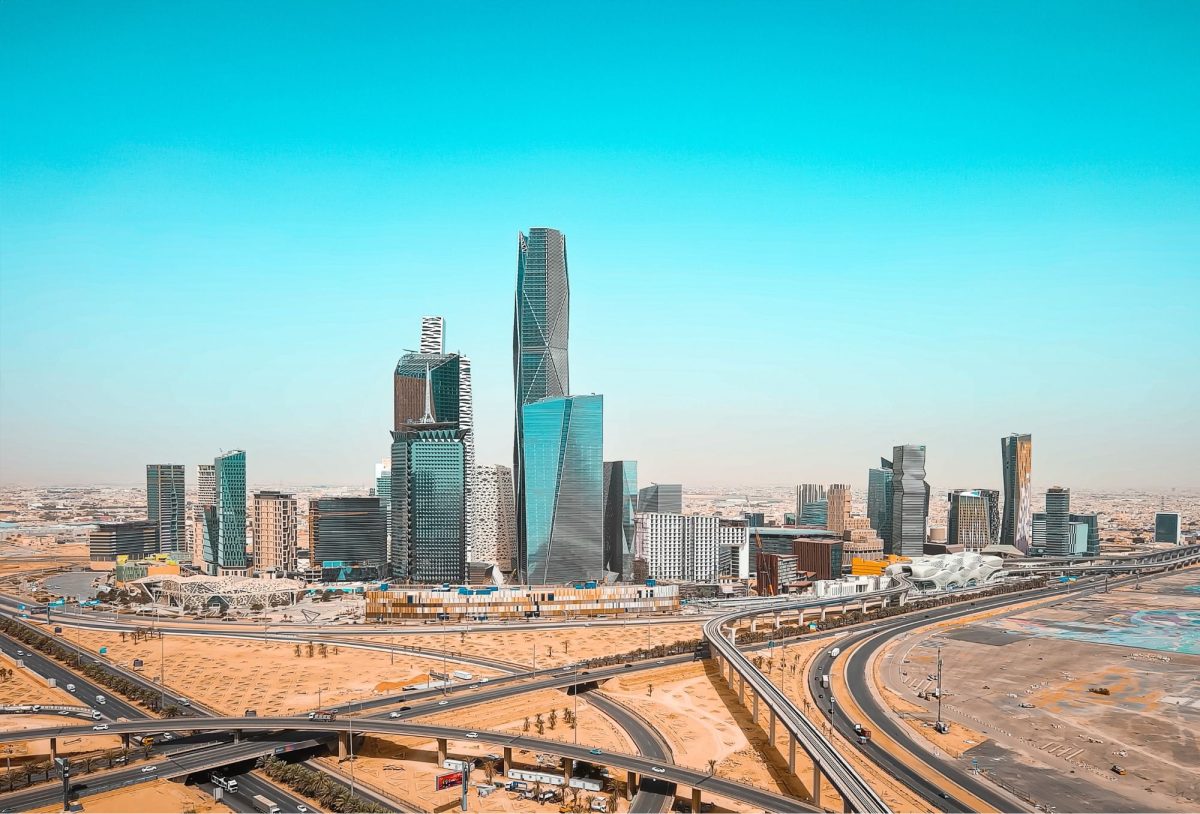
In February 2025, Saudi Arabia’s annual inflation rate remained stable at 2%, consistent with the rate observed in the same month of the previous year, according to the General Authority for Statistics (GASTAT).
The 2% inflation rate was primarily driven by a 7.1% increase in housing, water, electricity, gas, and fuel prices, notably an 8.5% rise in housing rents.
Food and beverage prices saw a 1% increase, influenced by a 3.7% rise in meat and poultry prices. Miscellaneous personal goods and services experienced a 3.9% uptick, impacted by a 26.7% increase in prices of watches, jewellery, and antiques. Restaurant and hotel prices rose by 0.8%, driven by a 2.4% increase in furnished hotel services. The education sector recorded a 0.4% rise, influenced by a 4.3% increase in higher education tuition fees. Conversely, transportation prices fell by 1.5%, affected by a 2.4% decline in vehicle purchase prices. Furnishings and home furnishings prices decreased by 2.5%, due to a 4.4% drop in furniture, carpets, and floor coverings prices. Clothing and footwear prices declined by 1%, impacted by a 2.4% decrease in ready-made garments prices.
On a monthly basis, the inflation rate recorded a slight increase of 0.2% in February compared to January 2025, driven by a 0.4% rise in housing rental prices.
In comparison, the Organisation for Economic Co-operation and Development (OECD) reported that year-on-year inflation in the G20 declined to 5.1% in December 2024 from 5.7% in November 2024.
Regionally, Europe’s inflation rate decreased to 2.4% in February, reinforcing expectations of a potential interest rate cut by the European Central Bank.